
Last updated November 25, 2026
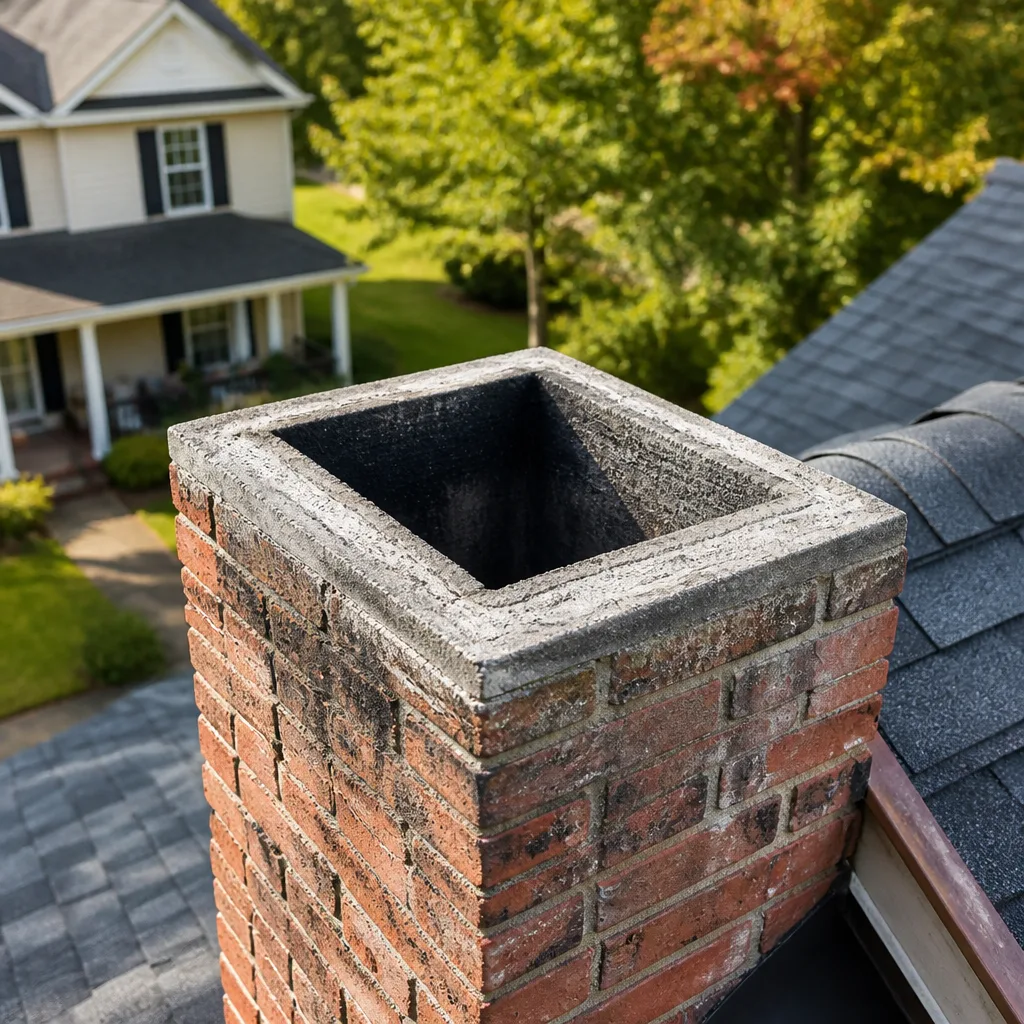 Sweep & inspection
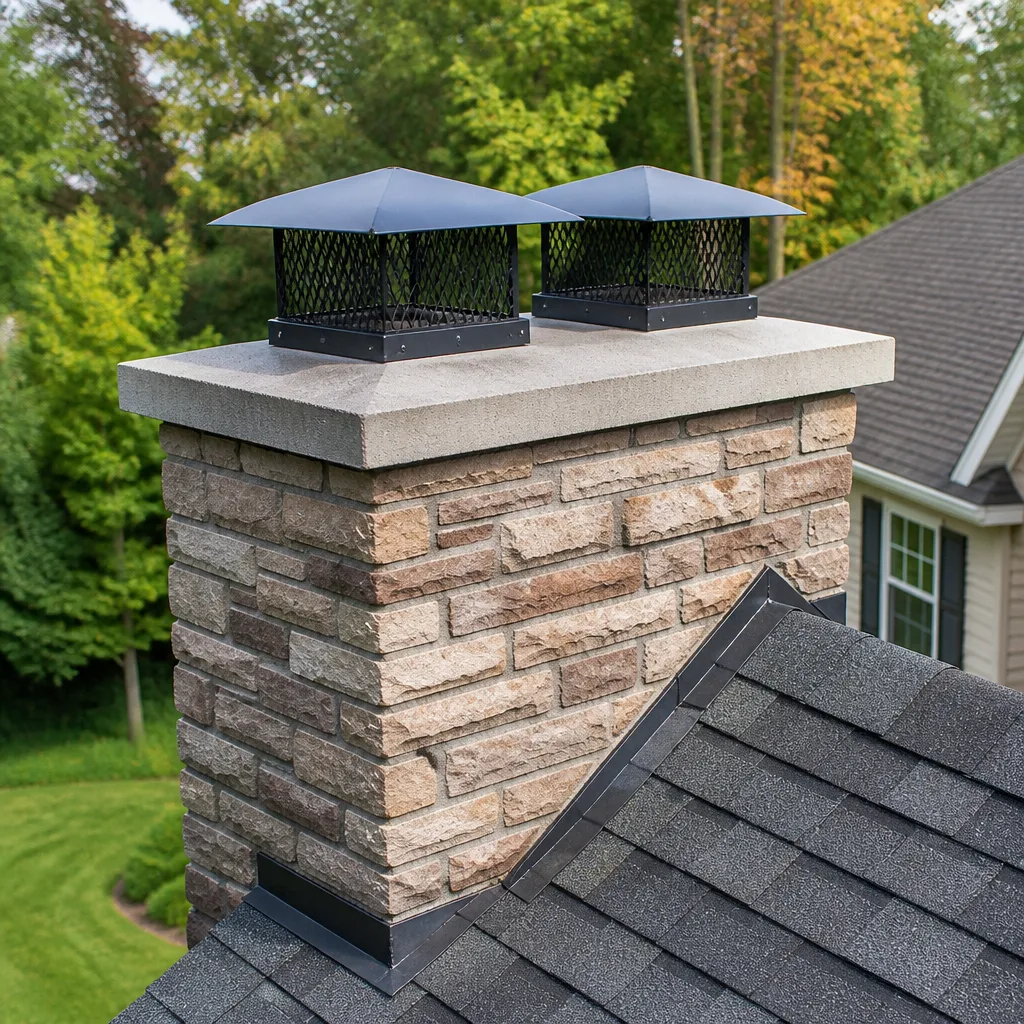 Caps & crowns
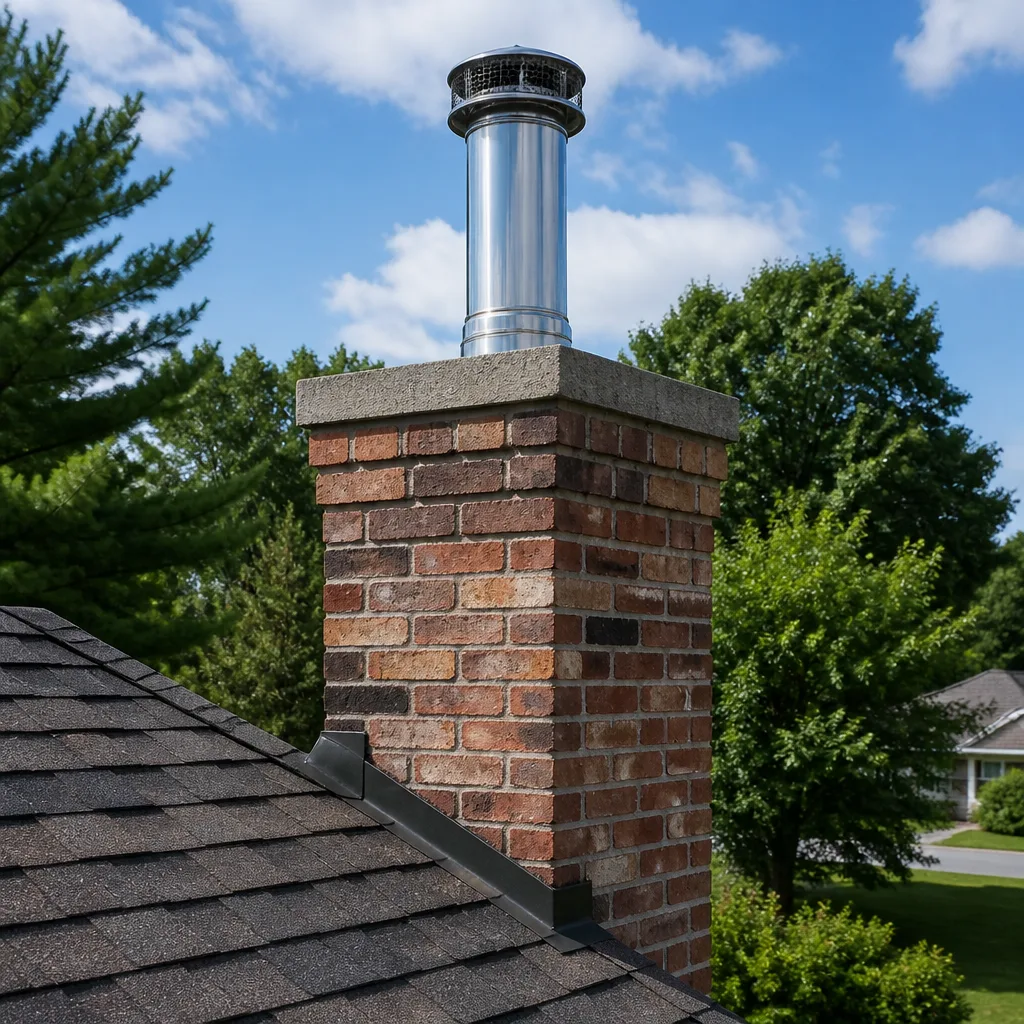 Flue relining
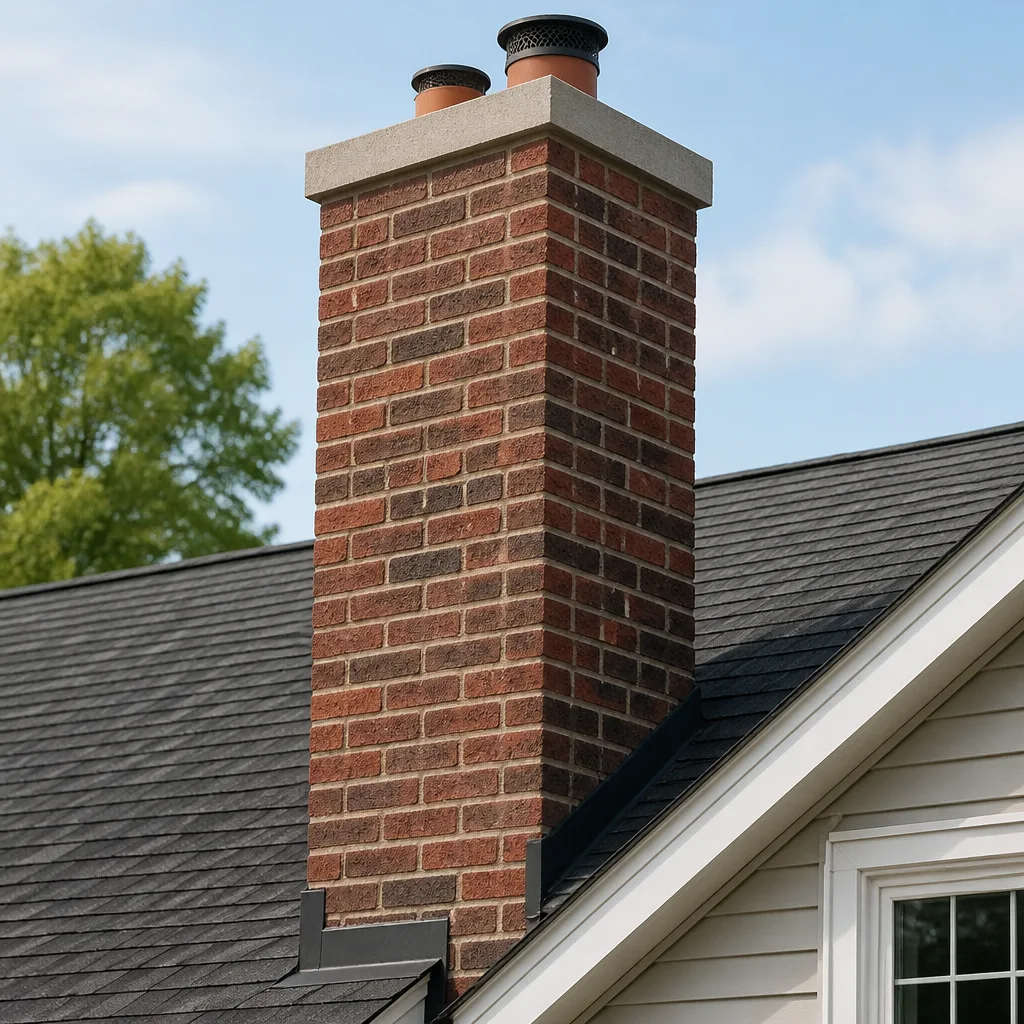 Masonry repair
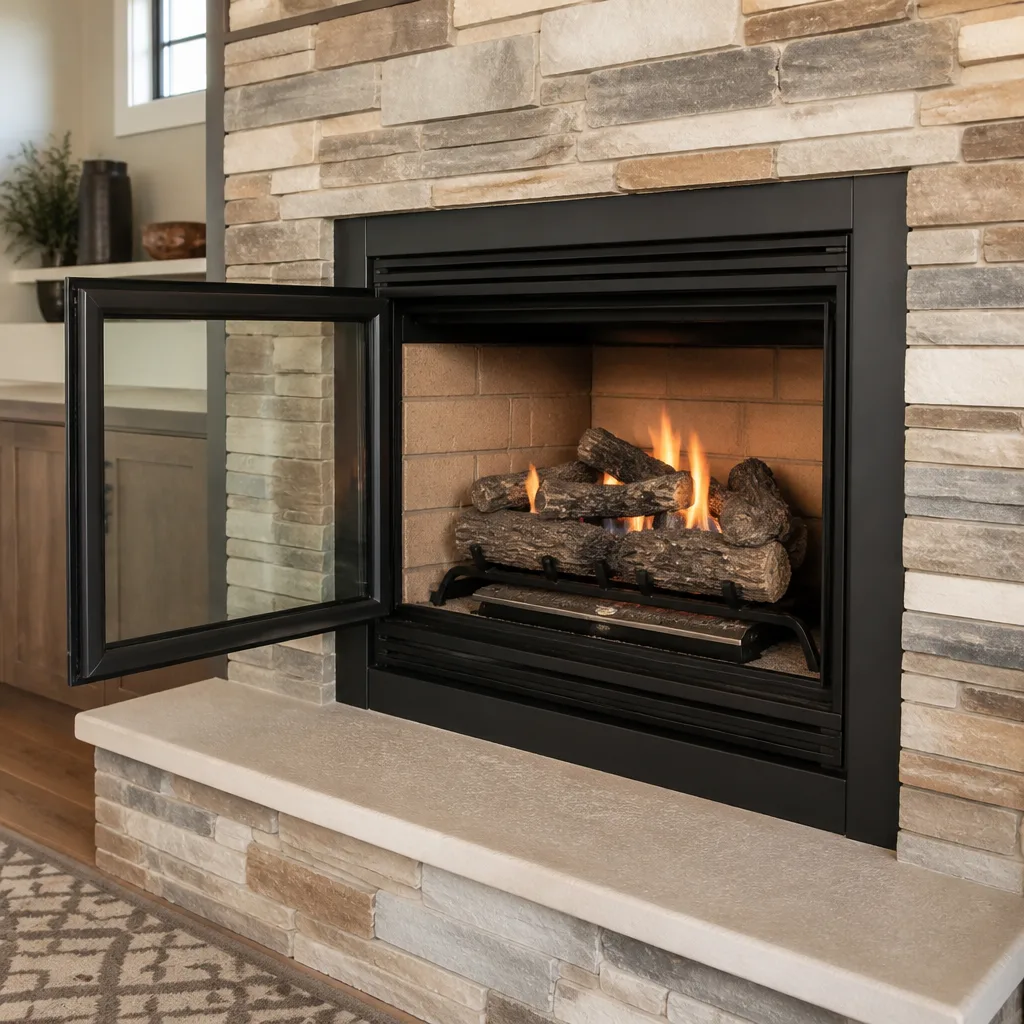 Gas fireplace service
Level 1 sweep and inspection to the NFPA 211 annual standard - flue, crown, cap, and flashing checked and photographed
Chimney sweep logs do not sweep chimneys. They loosen some creosote - which then falls where a brush and vacuum still have to collect it.
Chimney Sweep Troubleshooting in Peralta Hills: Common Problems and How to Fix Them
The smoky backdraft that looks like a damper problem usually isn’t one. In most Peralta Hills homes where a fireplace suddenly stops drawing, the damper opens fine, the flue is clear, and the fire still spills into the room. The cause is negative air pressure: a house tightened up with new windows, added insulation, or a remodeled kitchen fan that pulls harder than the chimney can push back. No amount of sweeping fixes that. In this guide we map the symptoms you’re actually seeing to the causes most likely to produce them in Peralta Hills, tell you which problems you can safely watch and which need a trained eye within days, and explain why “it worked last season” is the least reliable test there is.
Quick Answer
Chimney problems in Peralta Hills usually come down to four root causes: a flue that has glazed over from slow, cool fires; negative air pressure from a tightly sealed house; water getting in past a failing crown or cap; and liner deterioration that a basic sweep will never catch. Troubleshooting starts with matching the symptom to the cause, then deciding whether a sweep, a repair, or a diagnostic inspection is the right next step. A sweep clears the symptom; a specialist finds the structural reason it happened.
Styles & brands we work with
- Sweep & inspection
- Caps & crowns
- Flue relining
- Masonry repair
- Gas fireplace service
Table of Contents
- Symptom-to-Cause: A Troubleshooting Tree for Peralta Hills Homes
- Why Adobe-Heavy and Ranch-Style Homes Behave Differently
- Smoke in the Room: Negative Pressure and the Weatherization Trap
- Why “It Worked Last Season” Is a False Baseline
- Staining, Odors, and Water Intrusion: What They Tell You
- What You Can Safely Monitor vs. What Needs a Sweep Within Days
- Sweep vs. Diagnose: Fixing the Symptom or Fixing the Cause
- From Firebox to Crown: The Repairs That Close the Loop
Symptom-to-Cause: A Troubleshooting Tree for Peralta Hills Homes
Start with what you can observe, not with what you assume. Most chimney complaints in Peralta Hills fall into five symptom groups, and each one narrows the cause quickly once you know what to look for. Work through this list in order and note which symptom fits your situation.
- Smoke rolling into the room when you light a fire. Check the damper first, then the pressure. If the damper opens fully and the fire still smokes, suspect negative air pressure or a flue that’s undersized for the firebox opening.
- A fire that lights but burns lazy and slow. This usually points to a blocked or partially blocked flue, a closed or partially closed damper, or wet wood. Cold flues in the mild damp months draw poorly until they warm up.
- A musty or sour smell when the fireplace is idle. Creosote and soot left in the flue absorb moisture from humid air, and the smell comes back down into the house. This is a sweep-and-inspect signal, not an air freshener problem.
- Brown or gray staining on the chimney exterior or ceiling near the flue. Water is finding a path in, most often at the crown or the cap. Staining on the masonry face is a weatherproofing issue; staining inside the house is more urgent.
- White chalky deposits or crumbling mortar on the exterior. That’s water reacting with the masonry salts, and it tells you the chimney has been wet long enough for the surface to break down.
Match your symptom to one of those five and you’re already ahead of most homeowners, who guess at the damper and stop there. Write down when the problem happens, what the weather was doing, and whether the house was closed up. That detail is what separates a diagnosis from a guess.
Why Adobe-Heavy and Ranch-Style Homes Behave Differently
The housing stock in Peralta Hills shapes chimney performance in ways that newer construction simply doesn’t share. Large stretches of the area were built as ranch properties and equestrian estates, with low-slung rooflines, wide fireplaces, and exterior chimneys that sit fully exposed to sun and weather. Many of those homes were also built with adobe-influenced or stucco-over-frame walls, materials that hold and release moisture differently from modern sheathing. That matters for your chimney, and here’s why.
- Exterior chimneys run colder. A chimney on the outside wall of a ranch home loses heat faster than an interior chase. Cooler flues mean cooler smoke, and cooler smoke deposits creosote more readily. Slow, smoldering fires make that worse.
- Wide fireboxes want more flue. The generous masonry fireplaces common in older Peralta Hills ranch homes were often built with flue sizing that’s marginal by today’s standards. They draw well when everything is clean and warm and poorly when it isn’t.
- Stucco and adobe walls hold moisture. The region’s mild, damp winters let masonry stay damp longer than dry-summer conditions suggest. Damp masonry wicks water toward the flue and accelerates mortar breakdown at the crown and shoulders.
- Remodels change the pressure balance. When an older ranch home gets new windows, a sealed attic, or a modern range hood, the house that used to leak air now doesn’t. The chimney was sized for the leaky version.
None of this means an older Peralta Hills home has a bad chimney. It means the chimney was built for a house that behaved a certain way, and remediation, weatherization, and time have changed the equation. A proper chimney sweep followed by an inspection tells you which of these factors is actually driving your complaint.
Smoke in the Room: Negative Pressure and the Weatherization Trap
Here’s the counterintuitive part. A chimney with smoke coming into the room is often a chimney working exactly as designed, in a house that’s fighting it. Negative air pressure means the air inside your home is at a lower pressure than the air outside, so when the chimney tries to pull combustion air up and out, the house pulls it back in through the firebox. The fire smokes because the house is sucking air down the flue, not up it.
Test the theory before you spend money on repairs. On a cold, still morning, open a window a few inches in the same room as the fireplace and light a small fire. If the smoke stops, pressure is your problem. If nothing changes, the flue or the damper is the more likely culprit. The test costs nothing and rules out half the possibilities.
Common pressure thieves in Peralta Hills homes:
- Bathroom and kitchen exhaust fans that pull harder than the chimney draws
- Clothes dryers vented indoors or into a tight utility space
- Newly sealed windows and doors that cut the house’s natural air leakage
- HVAC systems with returns placed too close to the fireplace
- A second fireplace or wood stove competing for the same air
When pressure is the cause, the fix isn’t more sweeping. It’s a combustion air supply, a flue height adjustment, or a properly sized cap and liner combination that lets the chimney win the tug-of-war. That’s a diagnostic conversation, not a cleaning job. The same principle shows up on tight, sealed homes everywhere; the Chimney Sweep Peralta Hills approach is to check pressure before quoting repair work.
Why “It Worked Last Season” Is a False Baseline
A fireplace that drew perfectly last winter proves nothing about this winter. Chimneys degrade while they sit idle, and the mild, damp off-season in Peralta Hills is exactly when several failure modes accelerate. The flue doesn’t rest; it reacts.
- Creosote hardens. Fresh deposits are soft and relatively easy to remove. Left through a damp spring and a hot summer, they cure into a glazed, tar-like layer that bonds to the flue wall. Glazed creosote is a fire hazard and resists ordinary brushing, which is where resurfacing systems earn their place.
- Mortar joints soften. Moisture in the masonry during the humid months erodes the mortar between flue tiles. What was a hairline crack in October can be a path for water and gases by the following season.
- Crowns crack. The concrete crown at the top of the chimney expands and contracts with the temperature swings of the shoulder seasons. A hairline crack lets water in, and water freezing in a crack widens it, even in a mild climate where overnight temperatures dip.
- Caps come loose. Wind and the settling of a masonry chimney can work a cap loose over the dry months. A loose cap invites birds, rain, and debris straight down the flue.
- Animal and debris intrusion happens quietly. Nests, leaves, and twigs collect in a flue nobody has looked at since spring. The first fire of the season is when homeowners discover it.
The practical takeaway: treat the first fire of the season as a test, not a tradition. Have the flue looked at before you light it, not after the smoke backs up. Know what’s inside before you light the first fire of the season. That’s true in every Peralta Hills home we’ve looked at, new owner or long-time resident.
Staining, Odors, and Water Intrusion: What They Tell You
Water is the quiet destroyer of chimneys, and in a region with mild but genuinely damp winters, it does its work slowly and thoroughly. The good news is that water damage announces itself early if you know the signals.
- Rust on the damper or firebox hardware. Moisture is reaching the firebox, usually from above. The damper is often the first metal part to show it.
- White, chalky bloom on exterior brick or stucco. Efflorescence means water is moving through the masonry and leaving salts behind as it dries. It’s a warning, not a cosmetic issue.
- Dark staining below the crown. Water is running down the chimney face from a cracked crown or a failed cap seal.
- Damp, sour smell in the firebox when it’s not in use. The flue is holding moisture, and the soot in it is absorbing that moisture.
- Loose or spalling brick at the chimney top. Repeated wetting and drying is breaking down the masonry surface, and this one needs attention because spalling brick can mean the crown and the top courses are compromised.
Most water problems trace to the crown, the cap, or the flashing where the chimney meets the roof. All three are repairable, and all three are cheaper to fix when caught at the staining stage rather than the spalling stage. A proper chimney cap & crown installation closes the gap between cleaning and weatherproofing. We handle that work in-house, which means you’re not hunting for a roofer or a mason to finish what the sweep started.
One caution on water damage: don’t seal a chimney’s exterior with a waterproofing product you haven’t checked for vapor permeability. A chimney has to breathe. Seal it wrong and you trap moisture inside the masonry, which is worse than the original problem.
What You Can Safely Monitor vs. What Needs a Sweep Within Days
Not every chimney problem is urgent, and treating them all as emergencies leads homeowners to overpay for work they didn’t need. Here’s how we’d sort it.
Safe to monitor
- A light soot smell at the start of the season. Common after dormancy. Have it looked at during your normal annual sweep, not in a panic.
- A small cosmetic crack in the crown. Worth noting and photographing, and worth repairing before the wet season does more damage, but it’s not a call-today item.
- Slight staining on the exterior masonry. Note it and get it evaluated at your next inspection. Find out where the water is entering; that’s the actionable part.
- Occasional smoke on a cold first fire. Frequently just a cold flue. If it stops once the flue warms, keep an eye on it and mention it to your sweep.
Needs attention within days
- Smoke that comes into the room on every fire, not just the first one. That’s a pressure or blockage problem and it won’t improve on its own.
- Any visible creosote buildup inside the flue. Glazed creosote is a chimney fire risk. Don’t burn until someone has looked at it.
- Water stains on the ceiling or wall near the flue. Water is inside the chimney structure, and the longer it stays, the more masonry it takes with it.
- A flue that has been used hard for a full season without a sweep. Book the sweep before the next fire.
- Any sign of a chimney fire, even a small one. Even a fire you put out yourself can crack a flue tile. That calls for an inspection before the next use.
The line between “monitor” and “call” is mostly about whether the symptom is getting worse and whether it involves fire risk or water inside the structure. When in doubt, a sweep and inspection is inexpensive compared to lining a chimney that cracked because nobody looked.
Sweep vs. Diagnose: Fixing the Symptom or Fixing the Cause
A sweep removes what’s in the flue. A diagnosis explains why it was there. Those are different jobs, done by people with different training, and confusing them is the most common reason a chimney problem keeps coming back.
If your neighbor’s chimney company cleaned the flue and the smoke stopped, that’s a sweep doing its job. If they cleaned the flue, the smoke stopped for one season, and now it’s back, you had a diagnosis problem all along. The creosote buildup was the symptom; a drafting issue, an oversized firebox, or a deteriorating liner was the cause. The chimney sweep cleared the symptom. Nobody found the cause.
In an inspection, we look for the things a sweep can miss:
- Cracked or separated flue tiles, which leak smoke and gases into the chimney structure and, eventually, into the house
- Liner deterioration, from the soft, crumbly surface that’s fine for now to the gaps that need a proper fix
- Improper flue sizing relative to the firebox, which explains chronic draft problems nothing else fixes
- Crown and cap condition, which is where most water problems originate
- Creosote type and depth, since glazed creosote needs different handling than the fluffy, brushable kind
When a liner has deteriorated but the structure is sound, HeatShield is the system we reach for. It’s a chimney resurfacing system that restores a deteriorating flue from the inside without a full tear-out, and it’s a repair-tier capability most sweep-only operators can’t offer. When the flue needs a full reline instead, a flexible stainless system like DuraFlex handles the job. Both are professional-grade materials with traceable performance, and we use them because the repair has to outlast the next few seasons, not just get you through this one.
Our technicians have up to 14 years of experience with the full range of chimney and fireplace work, from the firebox to the crown. That breadth matters here: a company that only sweeps can tell you something’s wrong, but it can’t fix it without sending you to someone else. One call, one specialist, and the repair happens in the same visit as the diagnosis.
From Firebox to Crown: The Repairs That Close the Loop
A chimney is a system, and the parts fail in roughly the order water and heat reach them. Understanding that order helps you plan your repairs instead of getting blindsided by them.
Start at the firebox. The firebox is where the fire lives and where the highest heat is concentrated. Mortar joints crack, firebrick spalls, and the damper gets stiff or rusts shut. Most of that is repairable without tearing anything out. Our fireplace repair covers the firebox, the damper, and the refractory surfaces around them, because a sound firebox is where a safe fire starts.
Move up to the flue. The flue carries the smoke, and it’s the part the sweep cleans. If the flue tiles are cracked or the liner is deteriorating, you need either resurfacing or relining, and that’s where HeatShield and DuraFlex come in. Famco and Olympia Chimney supply the caps, liners, and installation components we trust for the rest of the assembly. These aren’t interchangeable generic parts; they’re named products with a manufacturer’s backing behind them, and that matters when a chimney has to perform for decades.
Finish at the crown and the cap. The crown is the concrete slab at the top that sheds water away from the flue. The cap covers the flue opening and keeps water, animals, and debris out. Both take the brunt of the weather. A cracked crown and a loose cap are the entry point for almost every water problem in the chimney. Cap and crown installation is a routine part of our work, and it’s the single best protection you can add after a sweep. Copperfield’s cap and crown products are on our list for the same reason as the others: they hold up.
The lifecycle logic is simple: sweep to keep the flue clear, inspect to catch deterioration before it becomes a structural problem, repair the firebox, the liner, and the crown as they wear, and cap the whole thing to protect the investment. When one company handles all of it, nothing falls through the crack between the sweep who cleans and the mason who fixes.
Common Mistakes to Avoid
- Assuming a smoky fire means a dirty flue. In Peralta Hills, tightened-up houses make negative air pressure just as likely a culprit. Test pressure before you pay for a sweep you didn’t need.
- Going a whole season without looking up the flue. Creosote and nest debris build quietly. The first fire is the worst time to discover a blockage. Look before you light.
- Waterproofing the chimney with the wrong product. A vapor-tight sealer traps moisture inside the masonry. Use products designed to let masonry breathe, and fix the crown and cap first.
- Skipping the inspection because the sweep came back clean. A clean flue and a sound flue aren’t the same thing. Cracks and liner decay don’t show up in the soot.
- Treating a cracked crown as cosmetic. A crown crack is the start of a water path. Get it repaired before the wet season drives water into the flue.
- Hiring a handyman to do chimney repair. Chimneys are a specialized trade. Generalists can sweep, but the structural and liner work requires the right materials and training. Ask what brands they’ll use and why.
- Assuming the annual sweep is enough. A sweep is maintenance, not diagnosis. Pair it with an inspection each year so you catch deterioration while it’s still a small repair.
See the difference
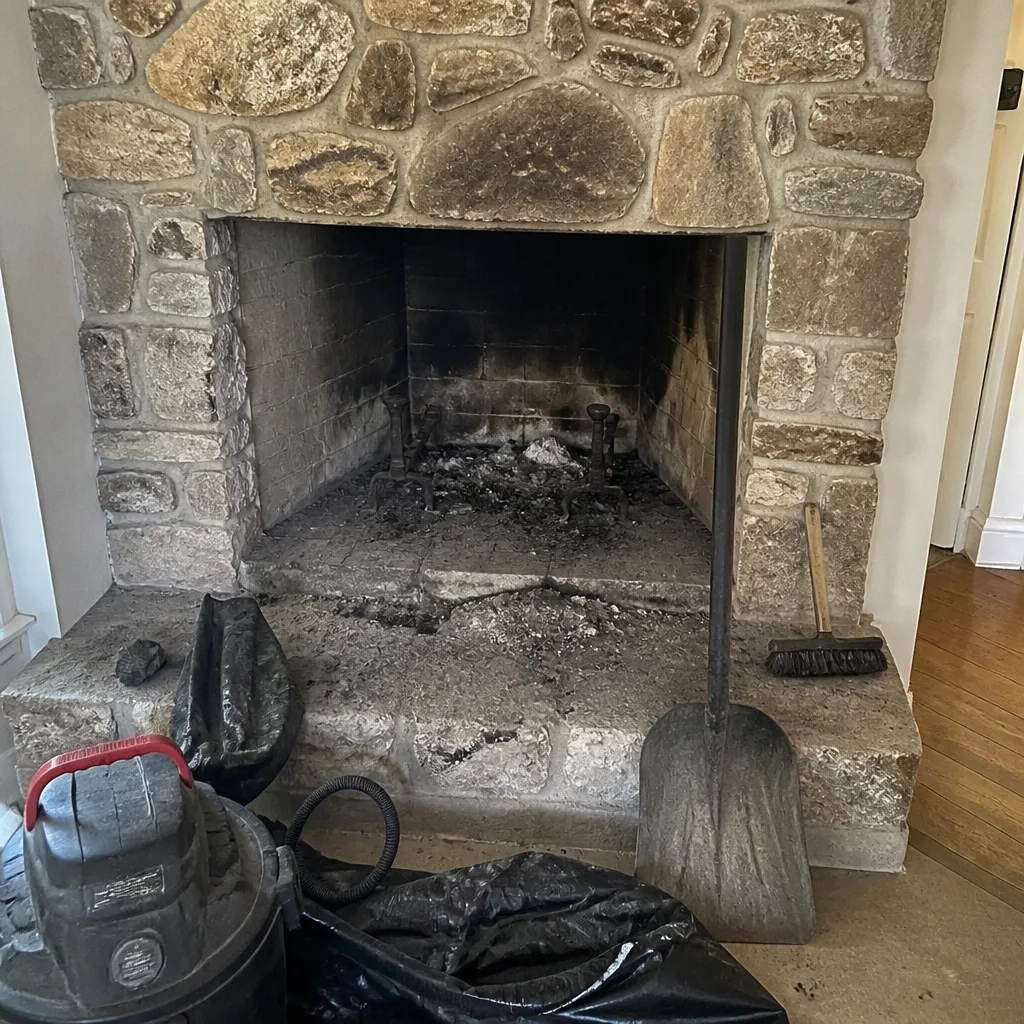 Before
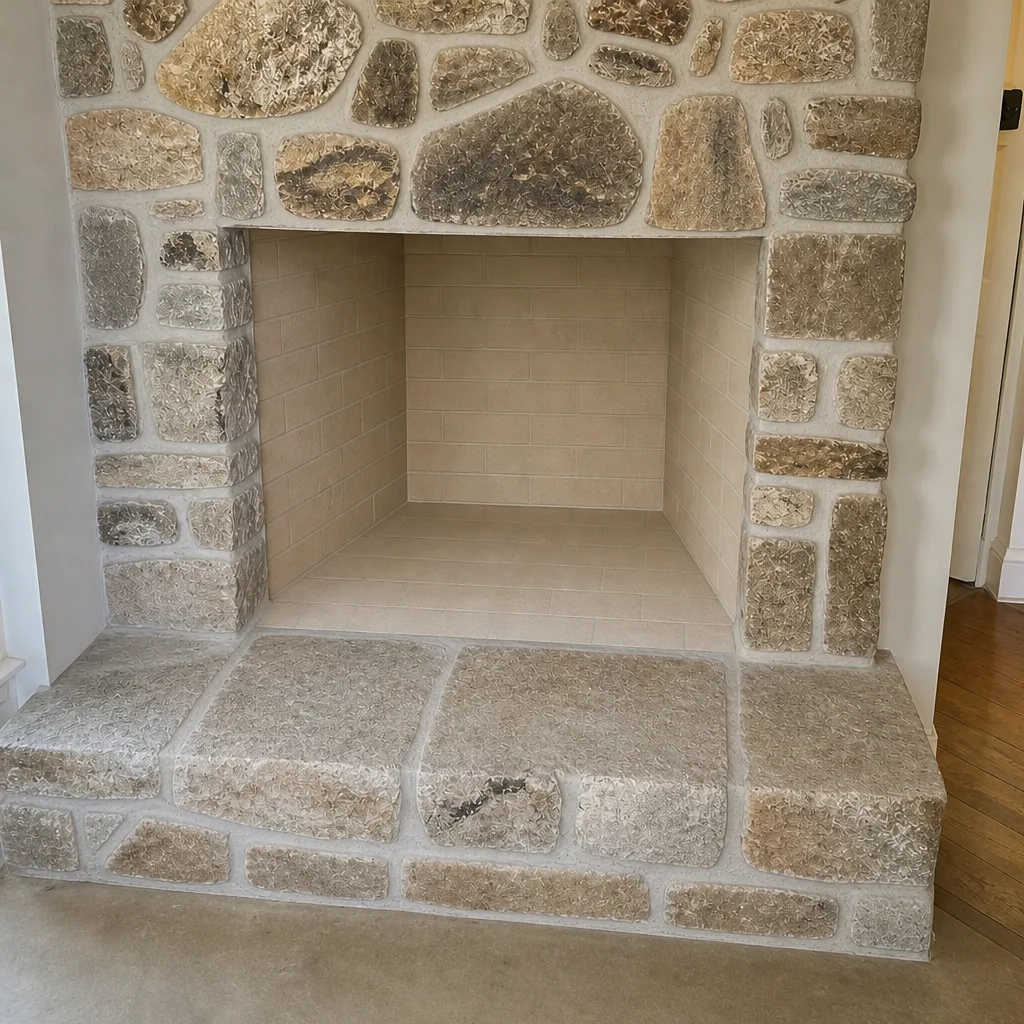 After
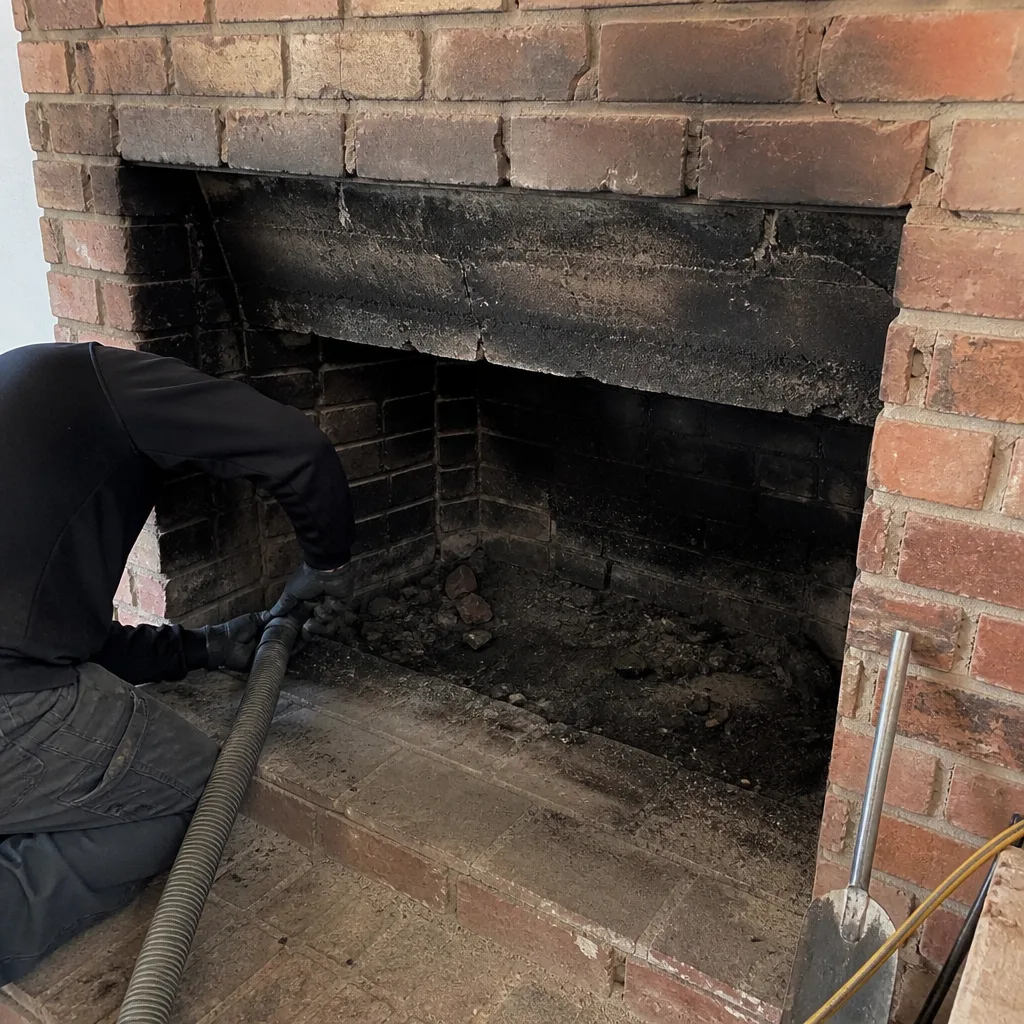 Before
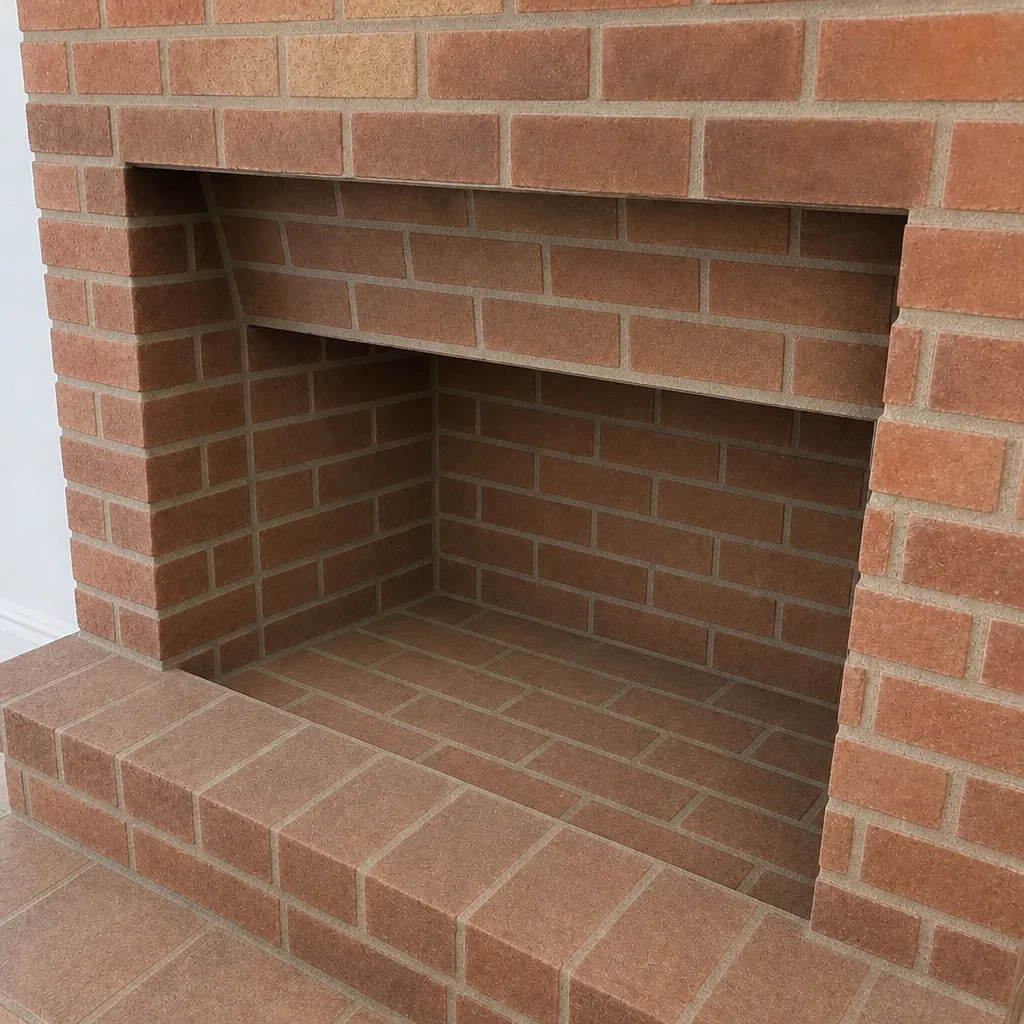 After
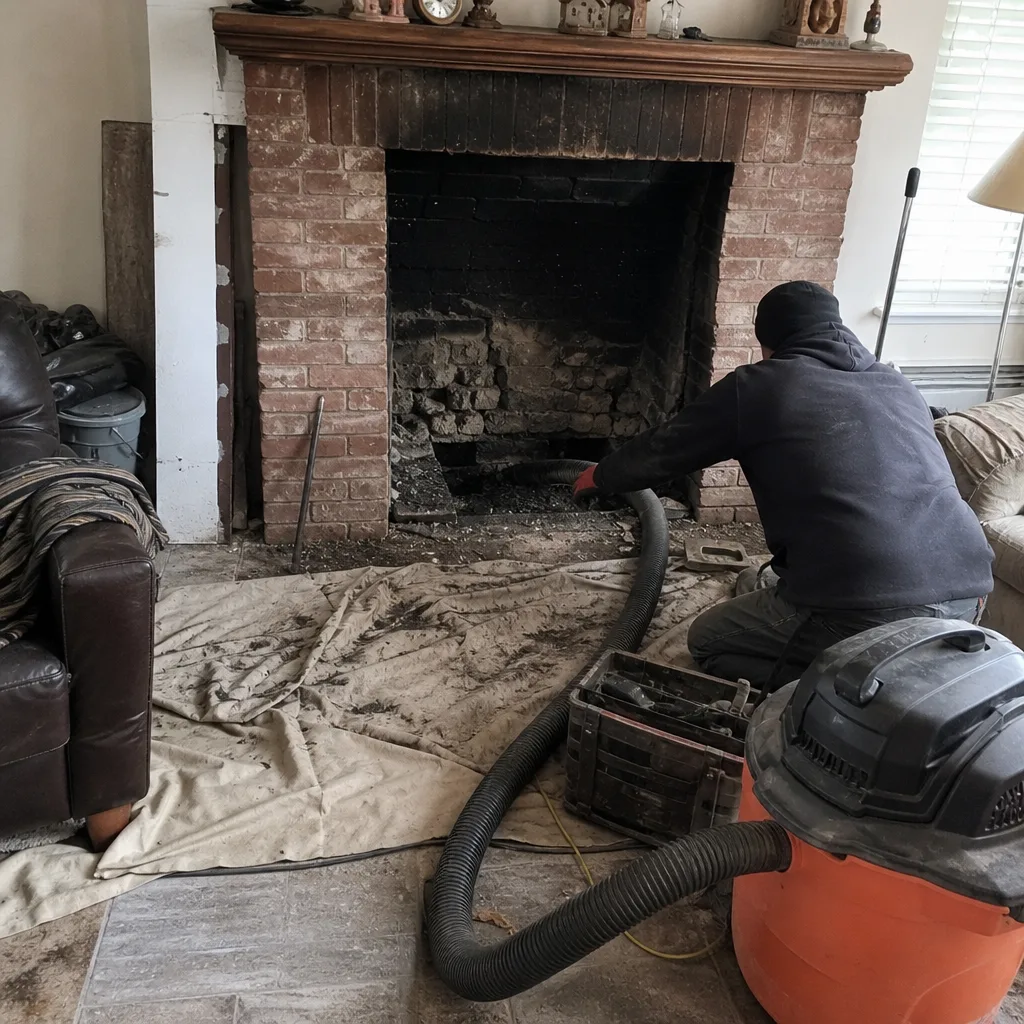 Before
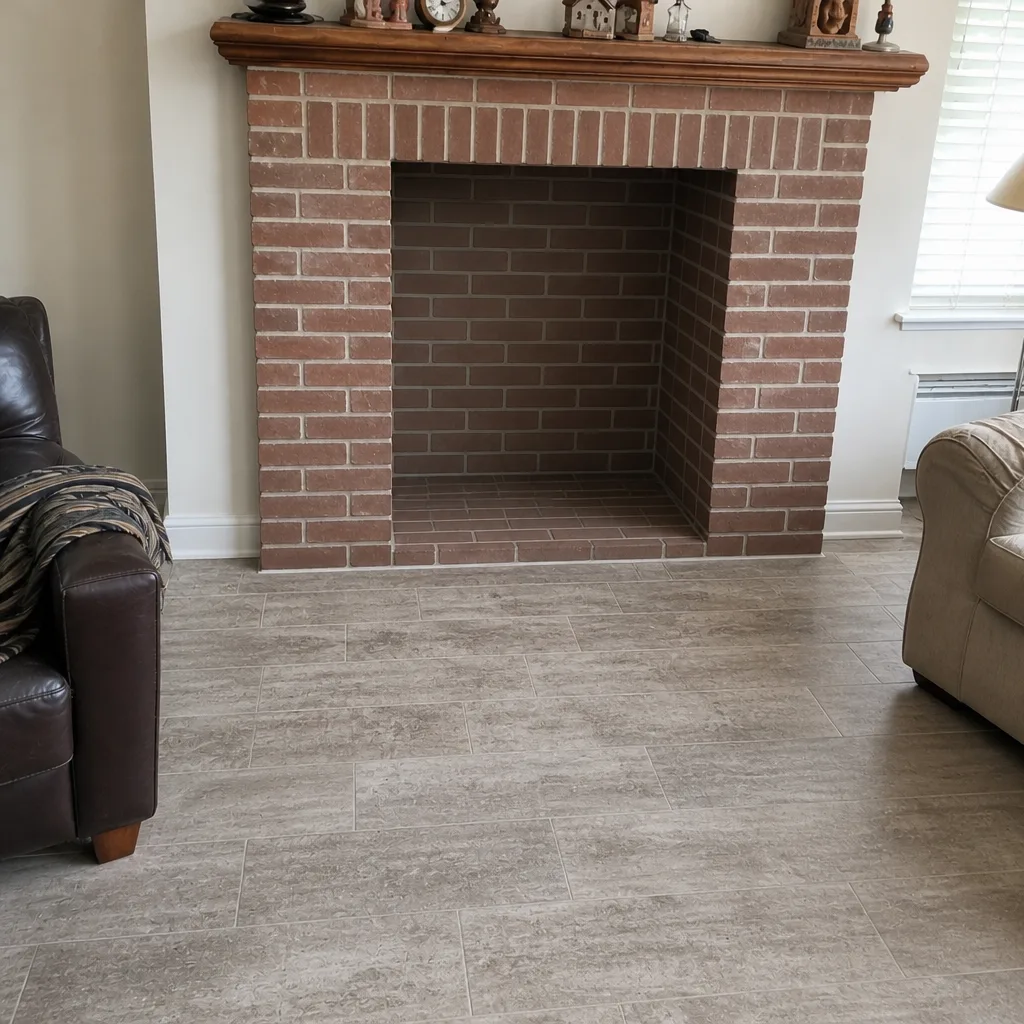 After
When to Call a Professional
Call a professional the moment smoke comes into the room on every fire, when you see water stains anywhere near the flue, when you suspect a chimney fire happened, or when you can see creosote buildup in the flue. Those four situations are not do-it-yourself territory. High heat and combustible creosote are the risk, and the fix that actually helps is a trained assessment, not more sweeping.
There’s a second category: the problems that don’t hurt yet but will. A cracked crown, a loose cap, spalling brick at the top, and a flue that needs resurfacing all fit. Book the inspection at the start of the season and fix them before the wet weather finds them. Chimney Sweep Peralta Hills offers free estimates in Peralta Hills. Call (877) 492-2418. We answer 24/7. Fast dispatch from 7am to 7pm, Sunday through Friday. Estimates are free, and the price is set per job by the written estimate, so you know the total before anything starts.
One more thing on the repair conversation. If someone tells you that you need a full reline the moment they step out of the truck, ask what they saw and how they saw it. A camera inspection shows you the inside of the flue on a screen. The repair decisions have to come from what the camera finds, and in our view, nothing gets recommended without the evidence in front of the homeowner. If it can safely wait, we say so.
Frequently Asked Questions
Once a year for most homes that burn regularly, and more often if you burn a lot of wood. The National Fire Protection Association’s chimney standard calls for an annual inspection, and the sweep is scheduled based on what the inspection finds. Homes in Peralta Hills that burn frequently or burn green wood may need a sweep mid-season as well. If it’s been more than a year since anyone looked, book it before the next fire.
In most cases the answer is negative air pressure, not a damper problem. A tight house pulls combustion air back down the flue, and the smoke follows it into the room. The open-window test confirms it: open a window a few inches in the same room and light a small fire. If the smoke stops, pressure is the issue. If it doesn’t, the flue or the damper needs attention. Call (877) 492-2418 for a diagnosis if the test doesn’t resolve it.
You need one when the flue tiles are cracked or the lining has lost its integrity, because a compromised liner lets smoke and gases into the chimney structure and eventually into the house. But not every liner needs replacing. Some deterioration can be restored with a resurfacing system like HeatShield, which is less disruptive than a full reline. The camera inspection tells you which category you’re in. Ask to see the footage before you decide.
Creosote accumulates and hardens, and glazed creosote is a genuine chimney fire risk. Beyond that, the things a sweep would have caught get worse: cracks widen, damp masonry breaks down, and minor repairs turn into structural ones. The cost of a missed season is usually paid later as a repair. The annual sweep and inspection is a small regular cost that keeps the big ones away.
It’s common and it has a cause. Soot and creosote left in the flue absorb moisture during the damp months, and the smell drifts back into the house. In Peralta Hills, the mild, humid stretches make it more noticeable than in dry climates. A sweep removes the source, and an inspection confirms whether the flue is drawing properly. Don’t mask the smell before you find it. Call (877) 492-2418 for an assessment.
It’s not a job we’d recommend. The crown sits at the top of the chimney, and getting safe access there is work for someone with proper equipment and training. Beyond the safety angle, a crown repair has to be done with the right material and done so it sheds water correctly; a patch that doesn’t bond properly traps moisture and makes the problem worse. This is one where a professional visit is the cheaper route. We handle crown work in-house and can quote it alongside a sweep.
The Bottom Line
Most chimney problems in Peralta Hills trace back to a few root causes: hard, glazed creosote from slow fires, negative air pressure in a weather-tight house, water entering through a tired crown or cap, and liner deterioration that only an inspection will find. Match the symptom to the cause before you pay for anything. A sweep clears the symptom; a specialist finds and fixes the reason it happened. The adobe-heavy ranch homes in town have their own quirks, and “it worked last season” tells you nothing about this one.
If you’re not sure which category your chimney falls into, that’s the moment to call a specialist rather than guess. Chimney Sweep Peralta Hills handles the sweep, the inspection, the cap and crown, the fireplace repair, and the chimney repair in one relationship, using named professional-grade materials like HeatShield and DuraFlex, so the fix lasts.
Call (877) 492-2418 for a free estimate. We answer 24/7. Fast dispatch from 7am to 7pm, Sunday through Friday. Nothing gets recommended without camera evidence you can see for yourself, and we’ll tell you plainly when a repair can safely wait.
Written by the team at Chimney Sweep Peralta Hills.