
Last updated November 25, 2026
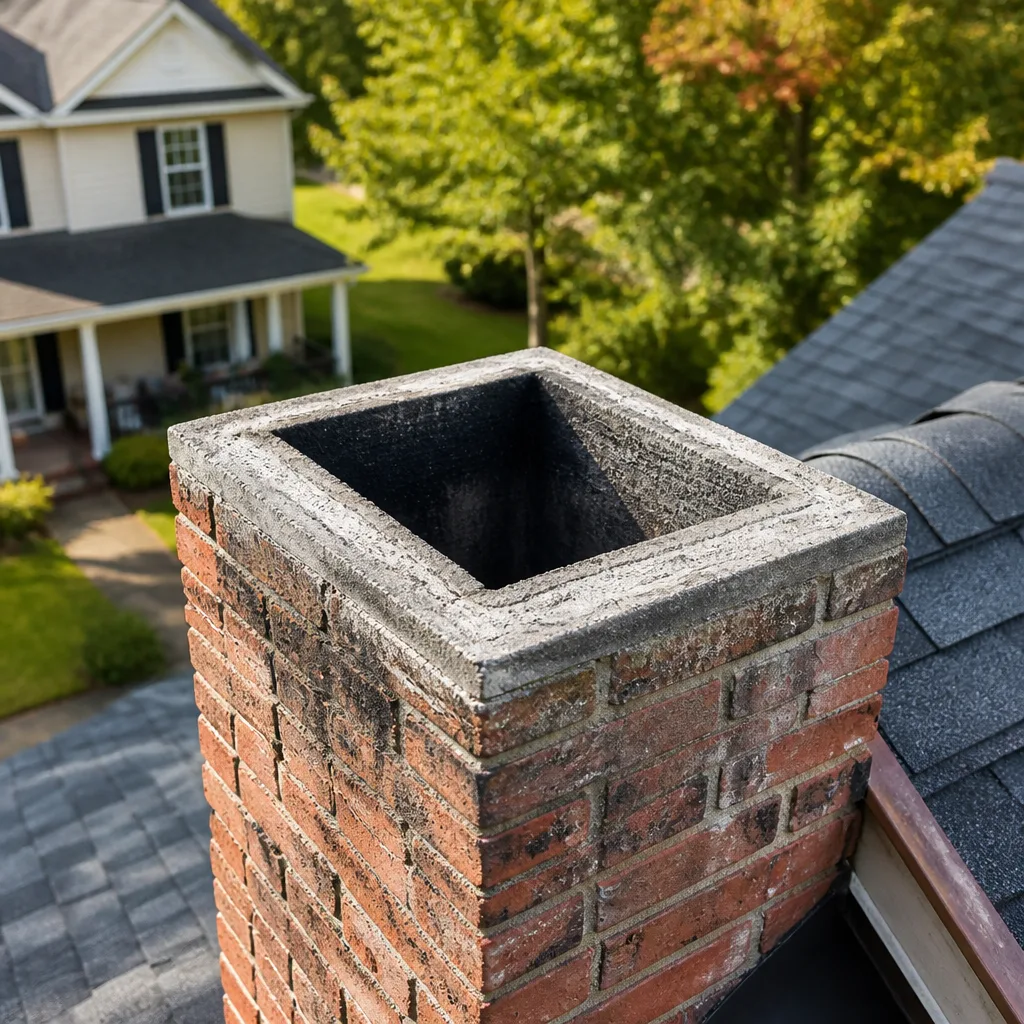 Sweep & inspection
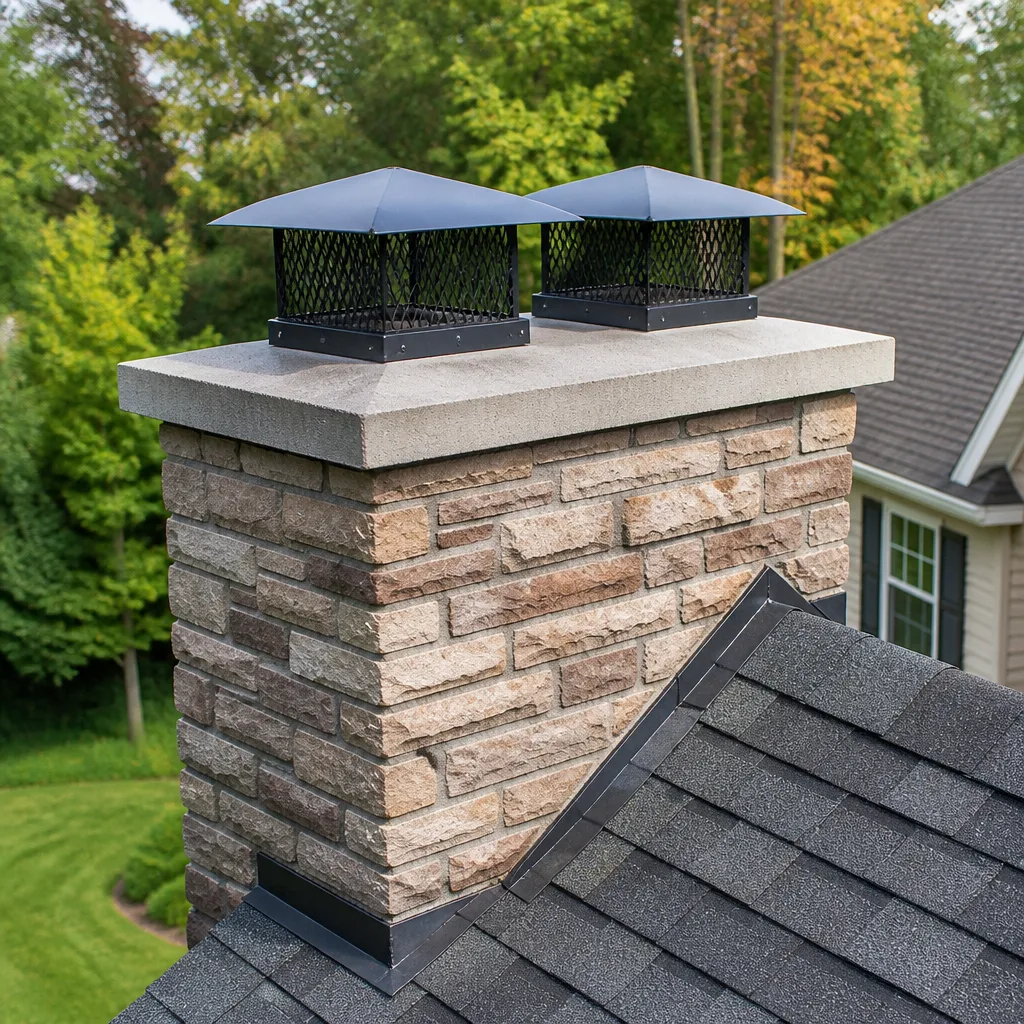 Caps & crowns
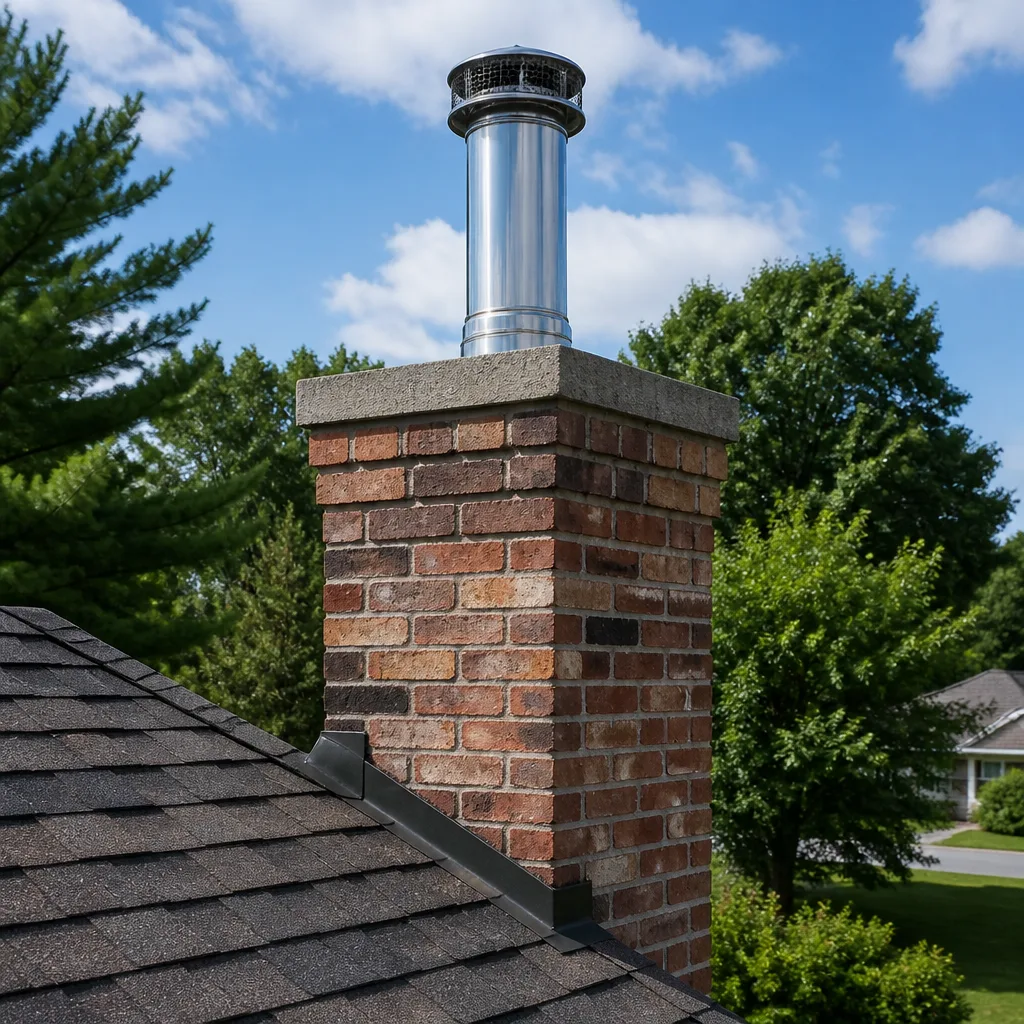 Flue relining
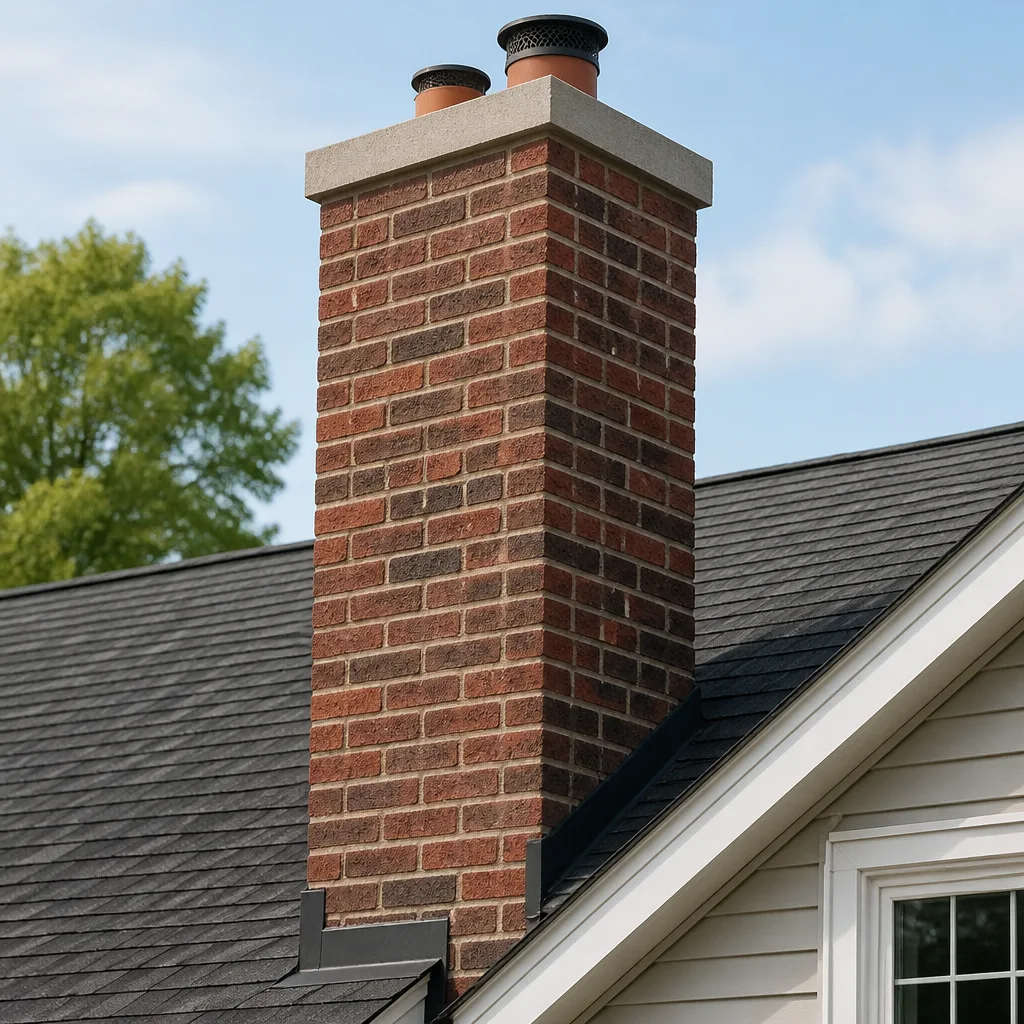 Masonry repair
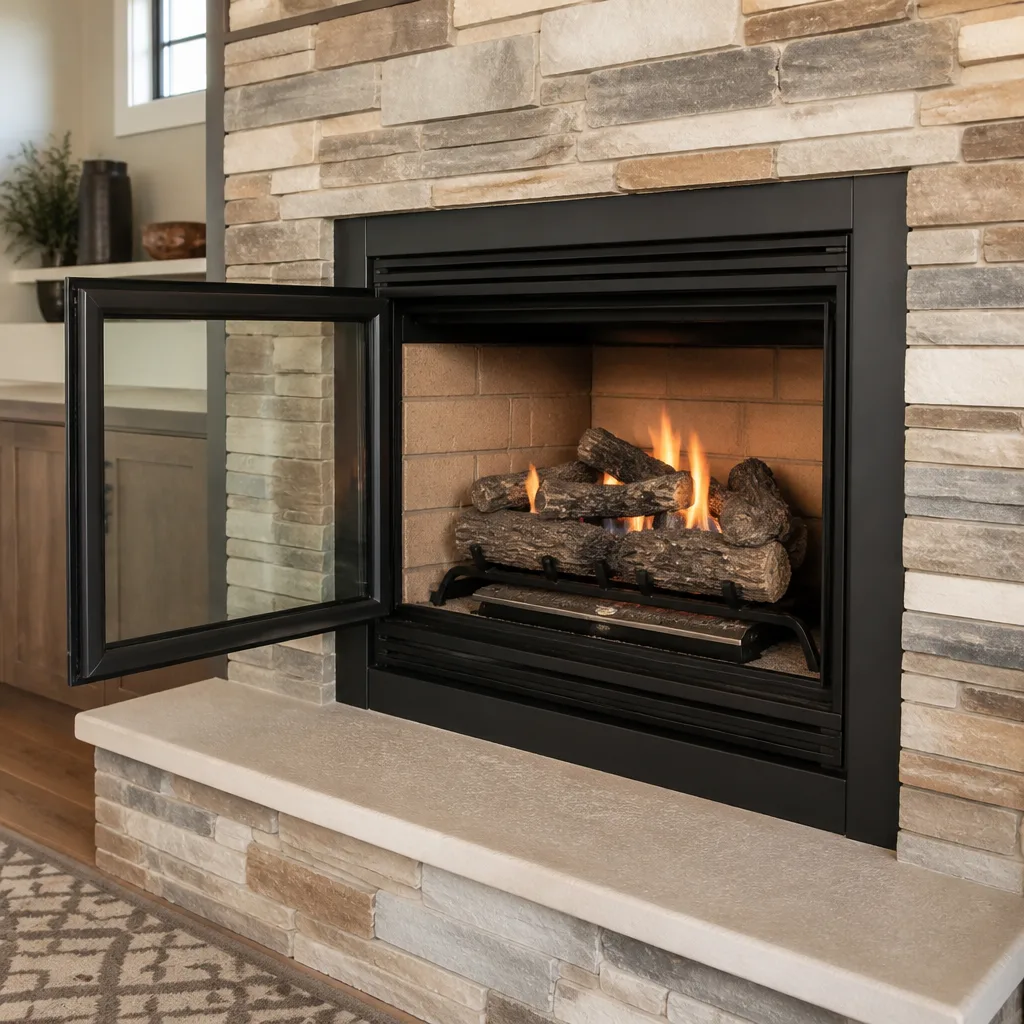 Gas fireplace service
Level 1 sweep and inspection to the NFPA 211 annual standard - flue, crown, cap, and flashing checked and photographed
Chimney sweep logs do not sweep chimneys. They loosen some creosote - which then falls where a brush and vacuum still have to collect it.
DIY vs Professional Chimney Cleaning: The Peralta Hills Homeowner’s Decision Guide
You can buy a brush kit, climb a ladder, and push soot out of a flue. That part isn’t a mystery. The catch is what happens after: you’ve cleaned what you could reach and seen none of what you couldn’t. In our experience, the difference between a homeowner’s brush and a professional sweep has almost nothing to do with elbow grease and everything to do with cameras, training, and what a sweep can document when the work is finished. This guide is an honest map of where DIY chimney maintenance helps, where it quietly fails, and where the boundary really sits for a Peralta Hills home.
Quick Answer
DIY chimney cleaning can remove light soot from a well-maintained flue, but it can’t inspect liner integrity, spot hidden creosote in flue offsets, or produce the documentation an insurer may want after a fire. If your chimney has never been inspected, or you don’t know its service history, book a professional sweep and inspection first. For homes with a known, clean history, light between-visit upkeep is reasonable.
Styles & brands we work with
- Sweep & inspection
- Caps & crowns
- Flue relining
- Masonry repair
- Gas fireplace service
Table of Contents
- What DIY Chimney Cleaning Can Realistically Accomplish
- What DIY Cleaning Cannot Assess
- The Insurance and Liability Angle
- Equipment Reality Check: Consumer Kits vs Professional Setups
- When DIY Maintenance Between Professional Visits Adds Real Value
- How a Professional Sweep and Inspection Actually Works
- What Each Approach Really Costs
- Common Mistakes to Avoid
- When to Call a Professional
- Frequently Asked Questions
What DIY Chimney Cleaning Can Realistically Accomplish
A homeowner with a proper brush and rods can do real work on a chimney that’s already in good shape. That’s the honest starting point. If your flue was swept last season, the fireplace has only ever burned dry, well-seasoned wood, and you haven’t noticed smoke rolling into the room or a drop in draft, a light top-down brush pass can knock down fresh soot before it hardens. That’s a real benefit, and it’s the scenario most brush kits are actually built for.
What DIY handles well:
- Loose, dry soot on the flue walls of a recently swept chimney.
- Light ash and debris in the firebox after a season of fires.
- A visual look into the firebox and the first few feet of flue with a bright light.
- Clearing a simple cap obstruction like a bird’s nest or leaves at the top, if you can safely reach it.
What it doesn’t do well becomes obvious fast. A brush follows the flue as far as the flue goes straight. Any offset, any bend, any smoke chamber shelf above the damper, and the brush is working blind. Creosote in Peralta Hills builds the same way it builds anywhere: glazed, hard, and stubborn on the cooler upper walls and in the smoke chamber. A brush that skips a bend leaves that glazed layer right where a fire can ignite it.
Clay tile flues, common in older Peralta Hills homes, are also harder on DIY brushes than people expect. A consumer brush with stiff poly bristles can chip the glaze on a tile and turn a small crack into a real problem. That crack may not show up until a professional inspection finds it – often years later.
What DIY Cleaning Cannot Assess
Here’s the honest core of the DIY vs professional argument for chimney cleaning. It isn’t that a homeowner can’t sweep. It’s that a homeowner can’t see. A professional sweep and inspection uses a camera and a trained eye to answer four questions that a brush alone leaves completely unanswered. We handle inspections as a standalone service for exactly this reason – to give a homeowner a clear answer regardless of who does the cleaning.
The four things DIY can’t check:
- Liner integrity. Hairline cracks, spalling, and gaps between clay tiles let heat and carbon monoxide escape into the chimney chase. A camera reveals them; a flashlight from below does not.
- Smoke chamber erosion. The sloped shelf above the damper is where creosote and moisture collect and where mortar joints erode. It’s the hardest part of the system to reach and the most common source of hidden trouble.
- Hidden creosote in offsets. If your flue has a bend (common on exterior chimneys added to older homes), that bend is a creosote trap. Brushes pass; the glazed layer stays.
- Crown and cap condition. Cracks in the crown, or a missing or damaged cap, let water into the chimney structure. Water and creosote together are what accelerate deterioration. We handle chimney cap & crown work in-house because it’s the other half of chimney protection that sweeping alone doesn’t touch.
None of this is meant to be alarmist. It’s meant to be specific. A chimney that looks fine from the firebox can have a cracked liner two feet up, and a homeowner with a brush will never know it.
The Insurance and Liability Angle
This is the part of the DIY vs professional conversation that most guides skip, and it’s the one that matters after something goes wrong. If a chimney fire damages your Peralta Hills home, your insurer will look at the maintenance record. A file with regular professional sweep and inspection documentation tends to be an easier claim to support. A file with nothing but a receipt for a brush kit is a file you have to explain.
We can’t speak for any individual insurer or policy, and we won’t pretend to. What we can say, honestly: most homeowners insurance policies carry conditions around reasonable maintenance, and after a fire event the adjuster will want to know the chimney’s service history. Having that history documented – dates, findings, photos – is the difference between a clean claim and a difficult one. A professional inspection, aligned with NFPA 211 inspection-level expectations, gives you exactly that record.
Beyond insurance, there’s the liability question toward anyone else who uses the fireplace: guests, family, a future buyer of the home. If you self-serviced a chimney and later sell the property, a pre-sale inspection is going to reveal whatever’s inside. Better to know it now than during a real estate transaction.
If your chimney has never been professionally inspected, that’s the point at which the DIY math stops working in your favor. Book a chimney sweep first, get the baseline documented, and then decide what between-visit upkeep is reasonable for your specific home.
Equipment Reality Check: Consumer Kits vs Professional Setups
The gap between a hardware store brush kit and a professional sweep setup is bigger than most homeowners realize. That gap is why a professional can do things a DIY pass cannot, and it’s not about having fancier tools for the same job – it’s about having the tools to do a different, more complete job.
What a professional sweep setup includes:
- Multiple brush sizes and materials sized to the flue, including flexible poly for clay tile and appropriate brushes for stainless liner systems.
- Weighted, flexible rods that follow bends and offsets instead of skipping past them.
- A closed-circuit inspection camera long enough to reach the top of the flue from the firebox, with a recording for the homeowner’s records.
- Industrial vacuums with HEPA filtration to keep soot out of the living space.
- Combustion and draft testing to verify the system is actually venting as intended.
- Access to liner and repair materials, so that if the inspection finds a problem, the fix happens under the same roof. We install and work with DuraFlex and Olympia Chimney liner systems, HeatShield for restoring deteriorated liners, and Gelco and Copperfield caps and crowns because each of those brands fits a specific job – not because we need a longer brand list.
A consumer kit typically includes a single brush, flexible rods, and a plastic drop cloth. It’s the right tool for light soot removal. It’s the wrong tool for finding a crack in a liner or reading the condition of a smoke chamber. That’s the honest comparison, and it’s worth saying plainly: the tool isn’t the main event, the camera and the training are.
When DIY Maintenance Between Professional Visits Adds Real Value
DIY doesn’t have to be all-or-nothing. In our experience, the homeowners who get the most out of their chimneys are the ones who do a little careful upkeep between professional visits and leave the inspection and repair work to a trained sweep. Here’s what that looks like in practice.
- Keep the firebox clean. Empty ash after a burn, and don’t let debris pile up on the firebox floor. A clean firebox lets you see changes clearly the next time you look.
- Burn dry, seasoned wood. Wet or green wood produces far more creosote than dry wood. A moisture meter is cheap and gives you a real answer about the wood you’re burning.
- Look for the obvious. Glazed, tarry, or honeycomb-textured creosote on the firebox walls or just above the damper is a sign to stop and book a sweep, not to brush it down yourself.
- Check the exterior from the ground. A quick look with binoculars for a cracked crown, a missing cap, or a crumbling mortar joint catches a lot of trouble early and costs nothing.
- Keep a simple log. Write down when you swept, when a professional inspected, and what was found. That log is what you’ll want if a claim or a sale ever comes up.
What you shouldn’t do between visits: sweep deep above a damper you can’t see, try to remove glazed third-degree creosote by hand, or climb onto the roof in Peralta Hills after a windy Santa Ana event without a real reason and real fall protection. The safety calculus matters more than the cleaning efficiency. Chimney work happens at height, and it happens inside a flue that carries fire and carbon monoxide. A trained professional is the right call for anything beyond a light, low-risk upkeep pass.
How a Professional Sweep and Inspection Actually Works
If you’ve never had a professional sweep, the process itself is worth understanding. A real sweep isn’t a faster version of what you’d do with a brush kit – it’s a documented process that starts with a look and ends with a written record of what’s inside your chimney.
- Intake and history. We ask when the chimney was last swept, what’s been burning, and whether the fireplace has been used since any significant weather event.
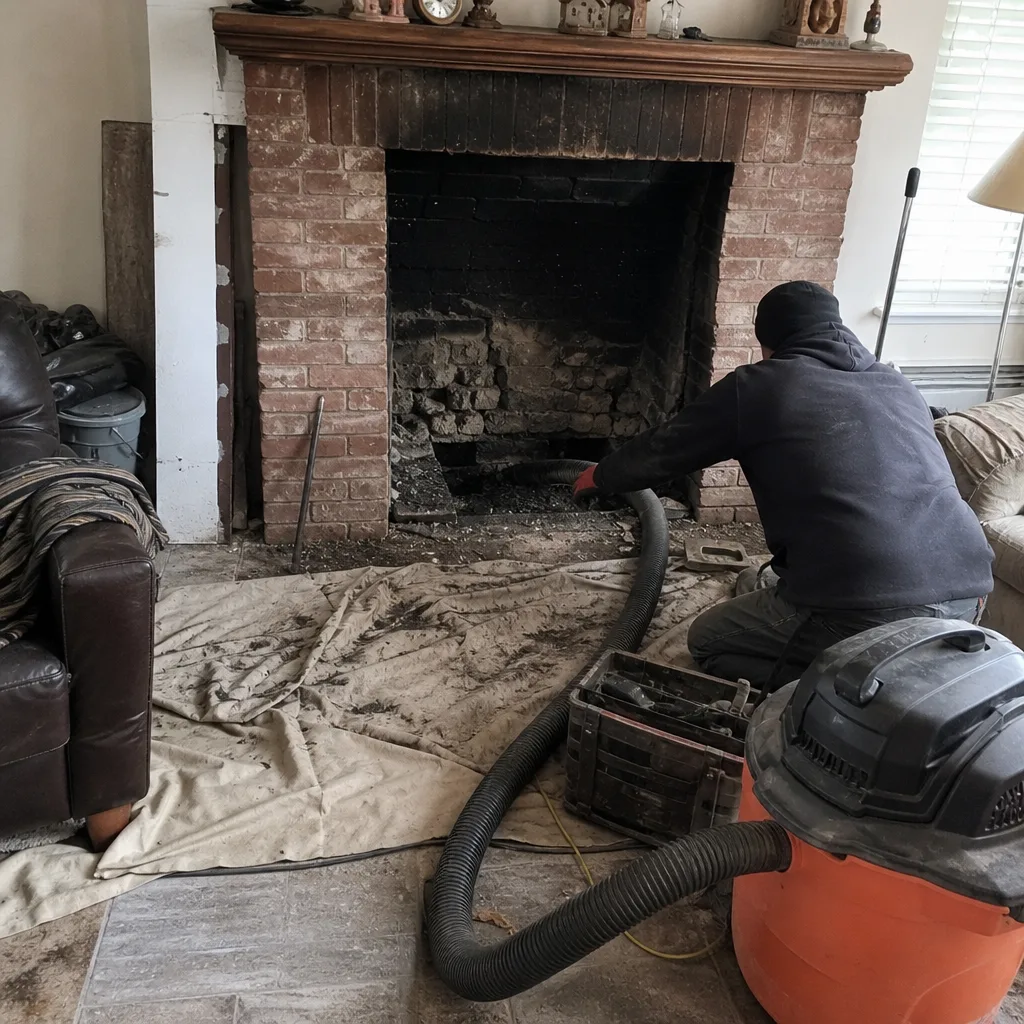
- Set up. Drop cloths and a HEPA vacuum protect the room. The firebox is the access point.
- Sweep the flue. Brush and rods sized to the flue clear soot and creosote, top-down or bottom-up depending on the access and the flue’s configuration.
- Camera inspection. A closed-circuit camera walks the flue so we can see the liner, the smoke chamber, and any offset from the inside.
- Exterior check. The crown, cap, flashing, and mortar joints get looked at from the roof. This is where chimney cap & crown problems usually show up first.
- Written report. Findings, photos, and a plain recommendation: what needs doing now, what can wait, and what’s fine as-is.
- Repair scoping if needed. If the inspection turns up a liner issue or firebox damage, we scope and quote the repair. Our technicians have up to 14 years of experience, and repair work like fireplace repair and full structural chimney repair happens under the same roof – no referrals out, no gap between the sweep and the fix.
The written report is the point. It’s what lets you make a decision instead of taking a stranger’s word for it – and it’s the difference between a chimney you’ve swept and a chimney you actually know.
What Each Approach Really Costs
We won’t quote you a price from this page – every job is scoped individually, and the written estimate is what sets the final number. What we can do is lay out the cost shape honestly, so you can compare the two approaches on the same terms. The DIY figure below is a realistic range for a consumer kit plus the safety gear most homeowners end up buying. The professional figures are typical ranges for the Peralta Hills market; your actual estimate will depend on the chimney.
| Cost item | DIY | Professional |
|---|---|---|
| Cleaning tools | Consumer brush kit, rods, safety gear | Included in sweep |
| Cleaning labor | Your time, per sweep | Bundled with the sweep and inspection |
| Inspection | Not available | Camera inspection included, written report |
| Creosote assessment | Visual only from below | Full flue camera walk |
| Liner condition | Unknown | Documented |
| Repair capability | None | Caps, crowns, liners, firebox, structural repair under one roof |
| Documentation | None | Written report with photos |
Look at where the two columns really diverge: not cleaning, but inspection and repair capability. A homeowner can spend real money on a good brush kit, keep the flue reasonably clear, and still not know what’s behind the liner. That gap is what a sweep is charging for.
A professional sweep with inspection is quoted per job by written estimate, and estimates are free. If the inspection turns up a liner issue, HeatShield restoration or a DuraFlex reline is scoped and quoted at that point – not assumed. And repair work comes from the same company, so you’re not calling a second contractor to fix what the first one found.
Common Mistakes to Avoid
- Assuming the brush reaches everything. A brush follows the flue only as far as the flue goes straight. Offsets, smoke chambers, and bends hide the creosote that actually matters in a Peralta Hills chimney.
- Treating a sweep as a check. Cleaning and inspecting are two jobs. A sweep that doesn’t leave behind a written inspection report hasn’t told you anything about your liner.
- Using a consumer brush on a stainless liner without knowing what’s inside. Wrong brush on a stainless flue can put surface scratches in the liner that shorten its life. Size the brush to the flue, and know the liner material before you sweep.
- Cleaning the firebox but not the crown. Water entering through a cracked crown causes more structural damage over time than firebox soot ever does. Look up, not just down.
- Sweeping in the wrong weather. A windy Santa Ana day is the wrong time to be on a ladder or a roof, and the wrong time to push soot through a firebox you can’t see. Pick a calm day, or leave it to a professional.
- Skipping the paper trail. No log of sweeps and inspections is a real gap if a fire event ever leads to a claim. Note dates, findings, and who did the work.
- Assuming “smells fine” means clean. A chimney can vent reasonably, smell fine, and still have a hidden liner crack. Only a camera inspection tells you either way.
When to Call a Professional
Some jobs aren’t a judgment call. Call a professional if any of the following is true for your Peralta Hills home: you’ve never had the chimney inspected; you don’t know the liner material or condition; you see glazed, tarry creosote above the damper; you’ve had a chimney fire or a draft problem in the last season; the firebox or damper is cracked or sticking; you notice smoke rolling into the room when you burn; or you’re about to buy or sell a home with a wood-burning fireplace. Each of those cases needs a camera and a trained eye, not a brush.
Chimney Sweep Peralta Hills offers free estimates in Peralta Hills – call (877) 492-2418. We answer 24/7, with fast dispatch from 7am to 7pm, Sunday through Friday. We’ll book a sweep and inspection, show you what the camera sees, and tell you plainly what needs doing now and what can wait.
If you’d rather start with a broader look at our sweep service and how it fits with inspections and repair work, that’s the right first step for a Peralta Hills chimney with no history on file.
Frequently Asked Questions
Chimney sweep pricing in Peralta Hills is quoted per job by written estimate, and the estimate is free. The final price depends on the chimney’s configuration, flue type, and whether the sweep includes a camera inspection – which we recommend it always does. Call (877) 492-2418 for an exact quote – estimates are free.
Not always, and no one should tell you otherwise without camera evidence you can see for yourself. A liner needs replacing when the camera shows cracks, gaps, or spalling that can’t be resurfaced, and can often be restored with HeatShield when the deterioration is less severe. Bring the camera footage to the decision. Call (877) 492-2418 for an estimate.
Sweep frequency depends on how much you burn, what you burn, and what the flue looks like. Heavy burners typically need a sweep and inspection more often than light users, and any chimney with no inspection history should be inspected before the first fire of a season. Call (877) 492-2418 to book a sweep and let the inspection set the interval.
Glazed creosote builds up, draft weakens, and the flue moves closer to the conditions that support a chimney fire – and a hidden liner crack can let carbon monoxide into the home without any visible sign. The risk isn’t that a chimney “just gets dirty,” it’s that it loses the margin it needs to vent safely. Call (877) 492-2418 to get an inspection on file.
Light soot removal on a recently swept, well-maintained flue is reasonable between professional visits, but it doesn’t replace an inspection. If the flue has any offset, the smoke chamber hasn’t been checked, or you’ve never had the liner inspected, book the professional visit first. Call (877) 492-2418 for a free estimate.
With us, yes. We handle caps and crowns, liners, firebox work, and structural chimney repair under the same roof, so a finding during the inspection turns into a scoped repair without a second contractor. Our technicians have up to 14 years of experience and work with DuraFlex, Olympia Chimney, Gelco, and Copperfield materials. Call (877) 492-2418 for a free estimate.
The Bottom Line
DIY chimney cleaning is a real, useful tool for a well-maintained chimney with a known history – it clears fresh soot and helps you keep tabs on the firebox between professional visits. It isn’t a substitute for a camera inspection, it can’t tell you whether your liner is sound, and it doesn’t produce the service record that matters after a fire event. The decision isn’t really about who holds the brush. It’s about whether you know what’s inside the flue. If you don’t, get it looked at before the first fire of the season. If you do, keep your upkeep careful and your professional visits on schedule. Call (877) 492-2418 for a free estimate on a sweep and inspection, and start from a documented baseline.
We answer 24/7. Fast dispatch from 7am to 7pm, Sunday through Friday, with free estimates and no work recommended beyond what the camera shows you. For a chimney specialist who can sweep, inspect, cap, and repair under one roof in Peralta Hills, that’s the one call that covers the whole job. Start with Chimney Sweep Peralta Hills and let the inspection tell you what your chimney actually needs.
Written by the team at Chimney Sweep Peralta Hills.
See the difference
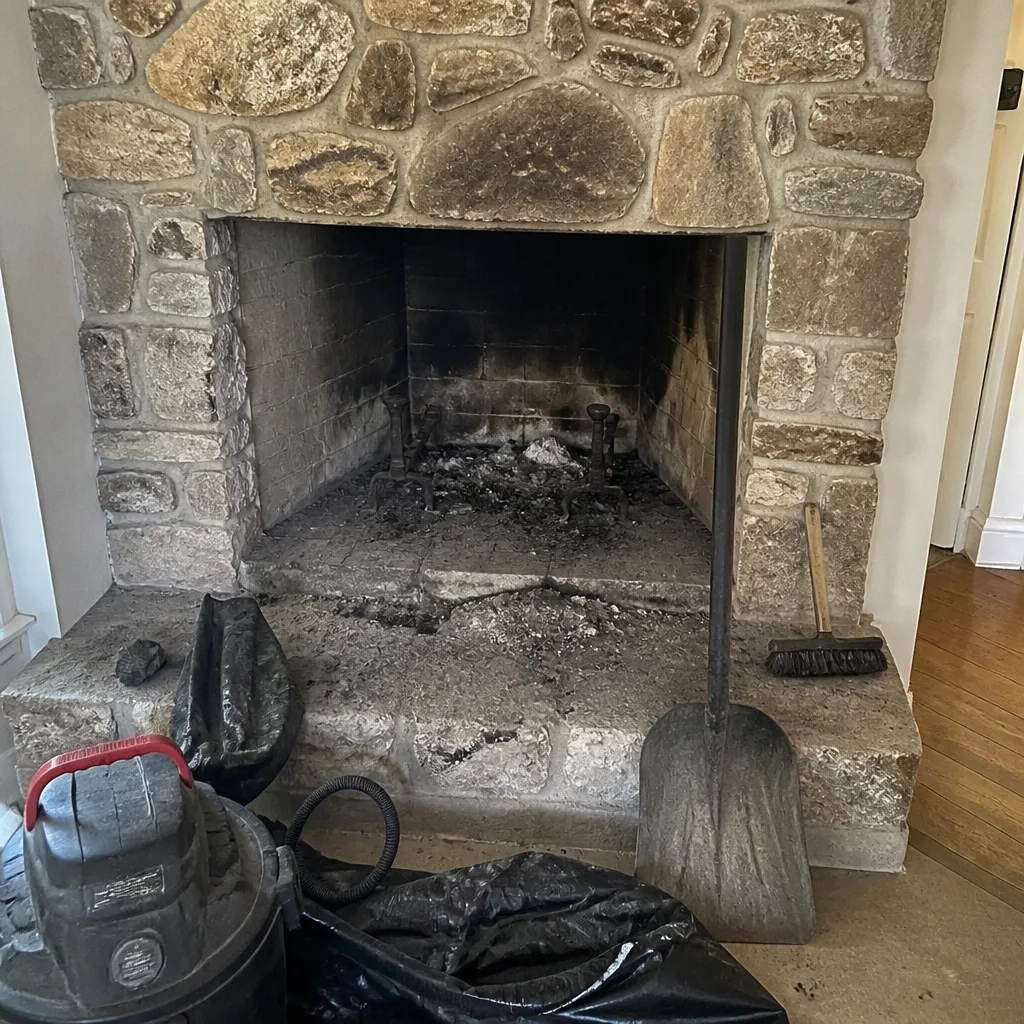 Before
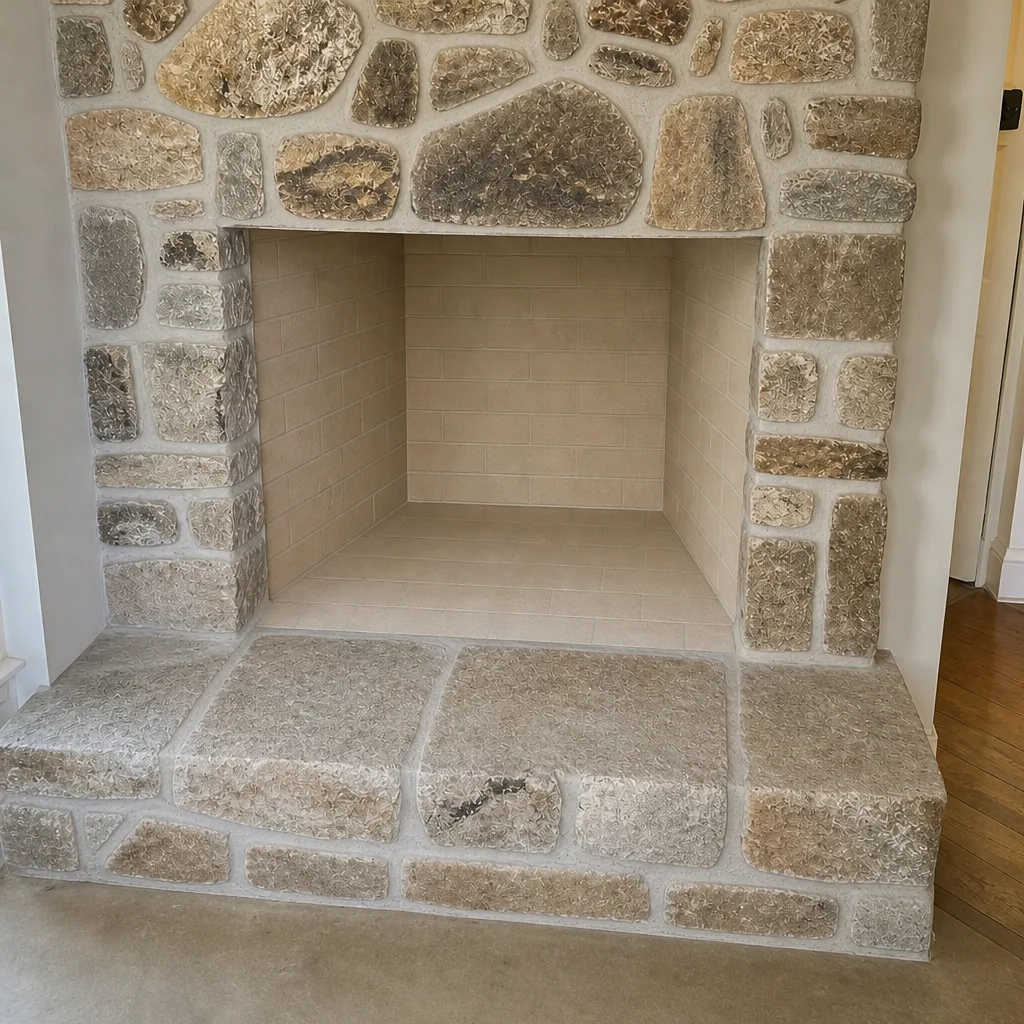 After
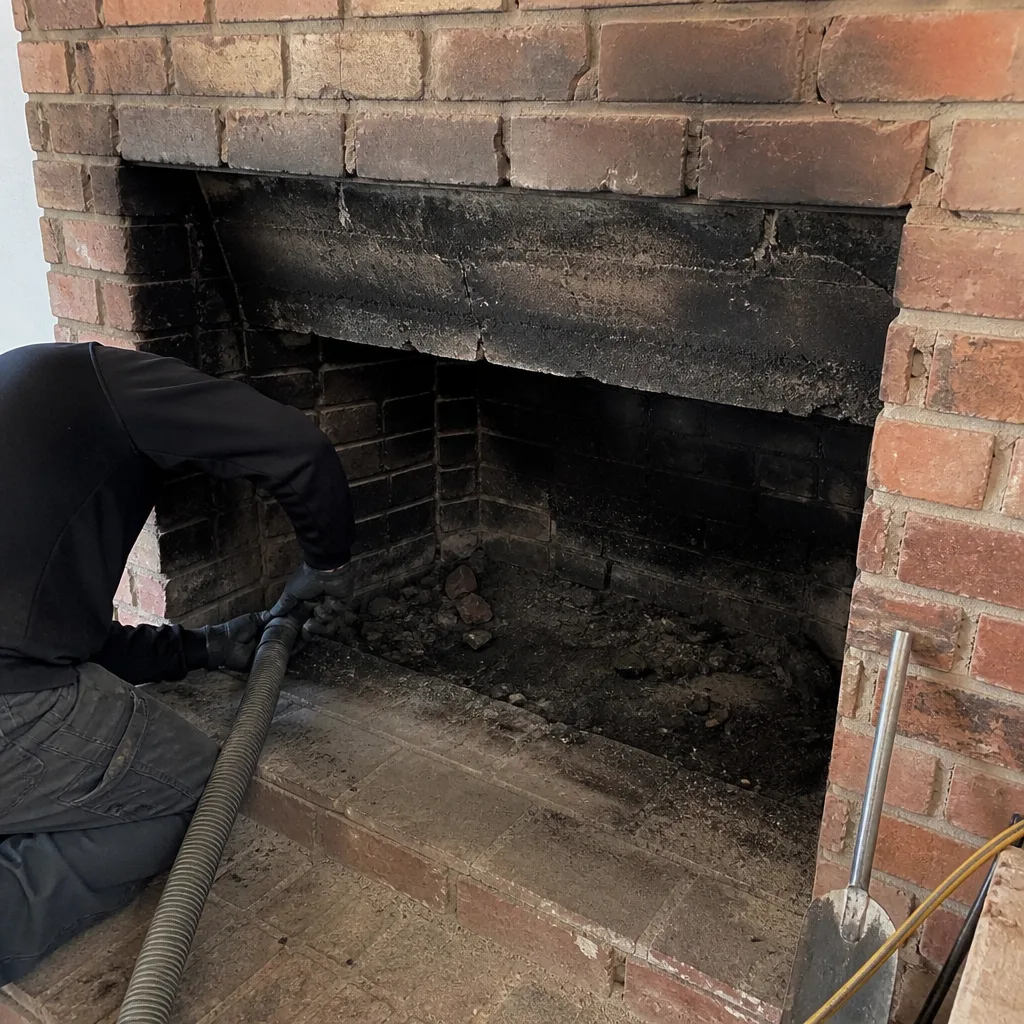 Before
 After
 Before
 After