
Last updated November 25, 2026
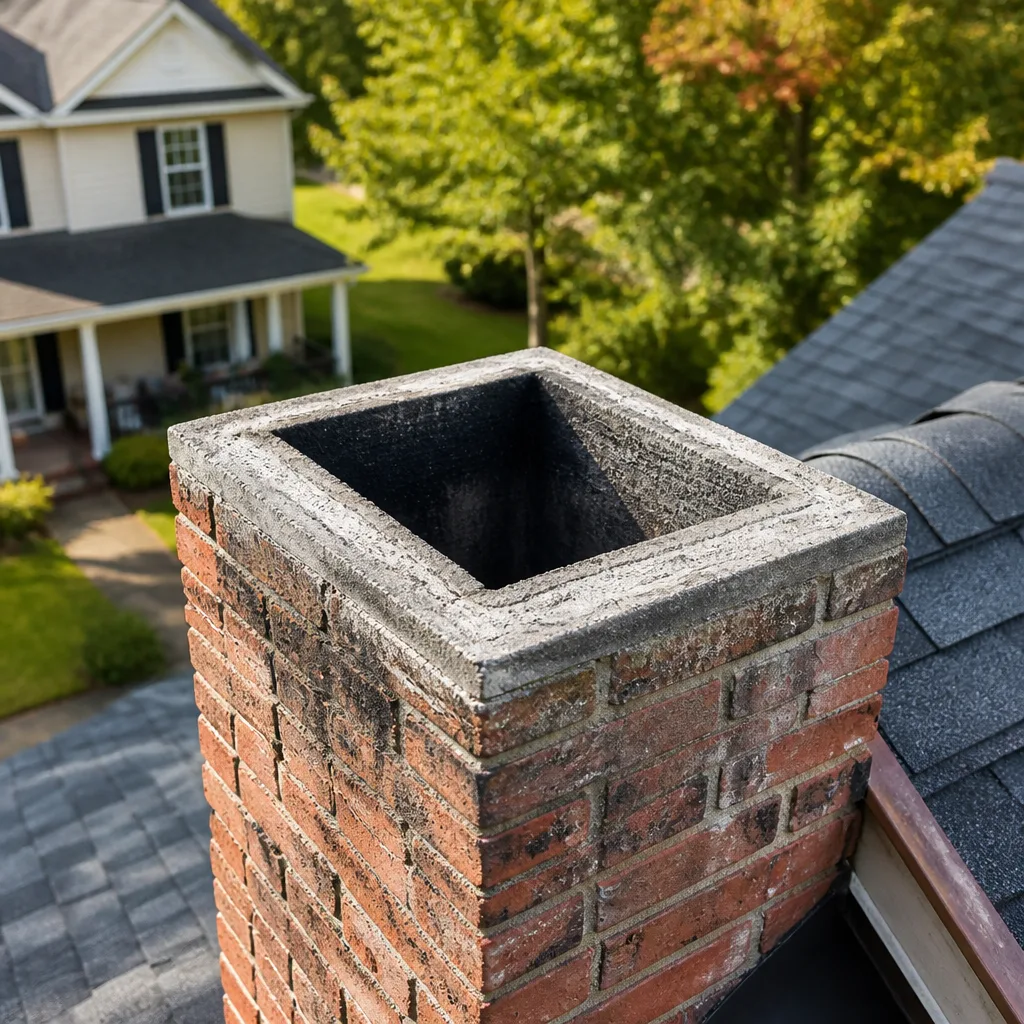 Sweep & inspection
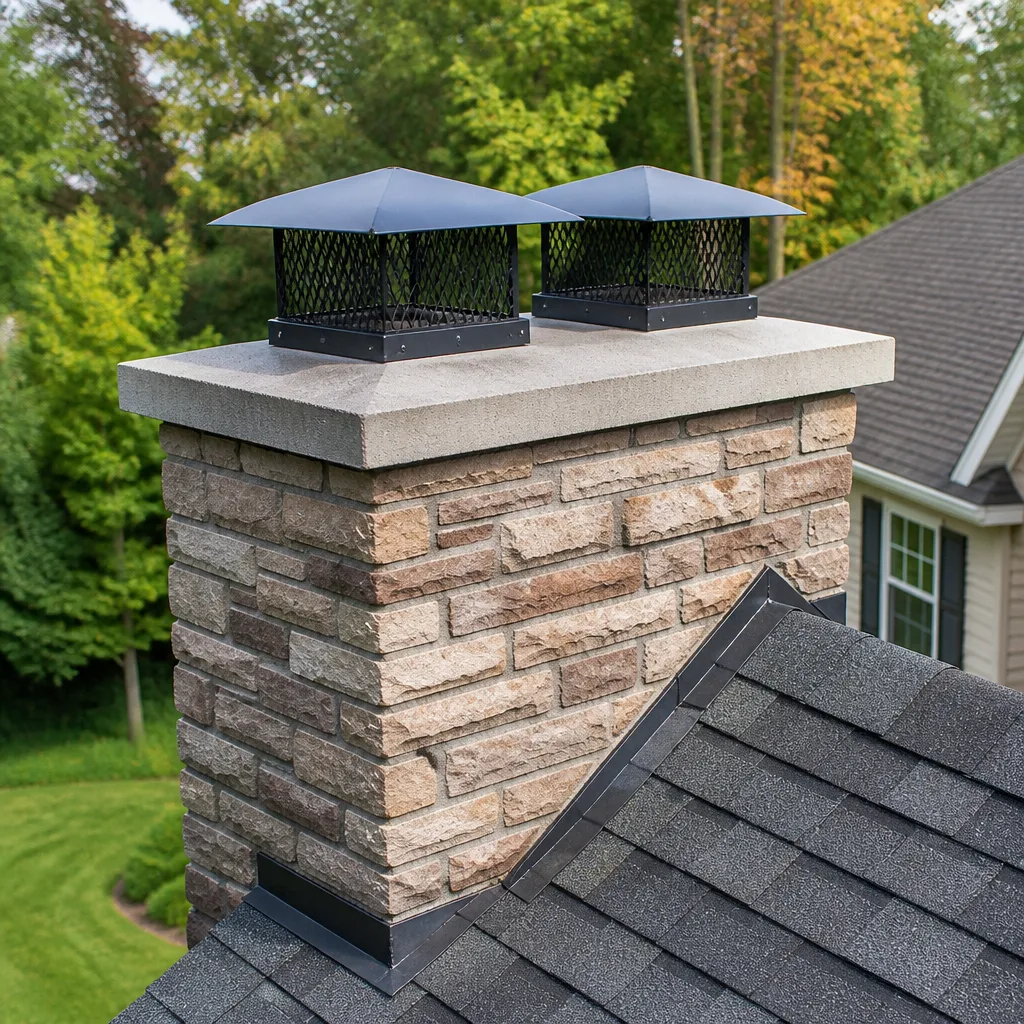 Caps & crowns
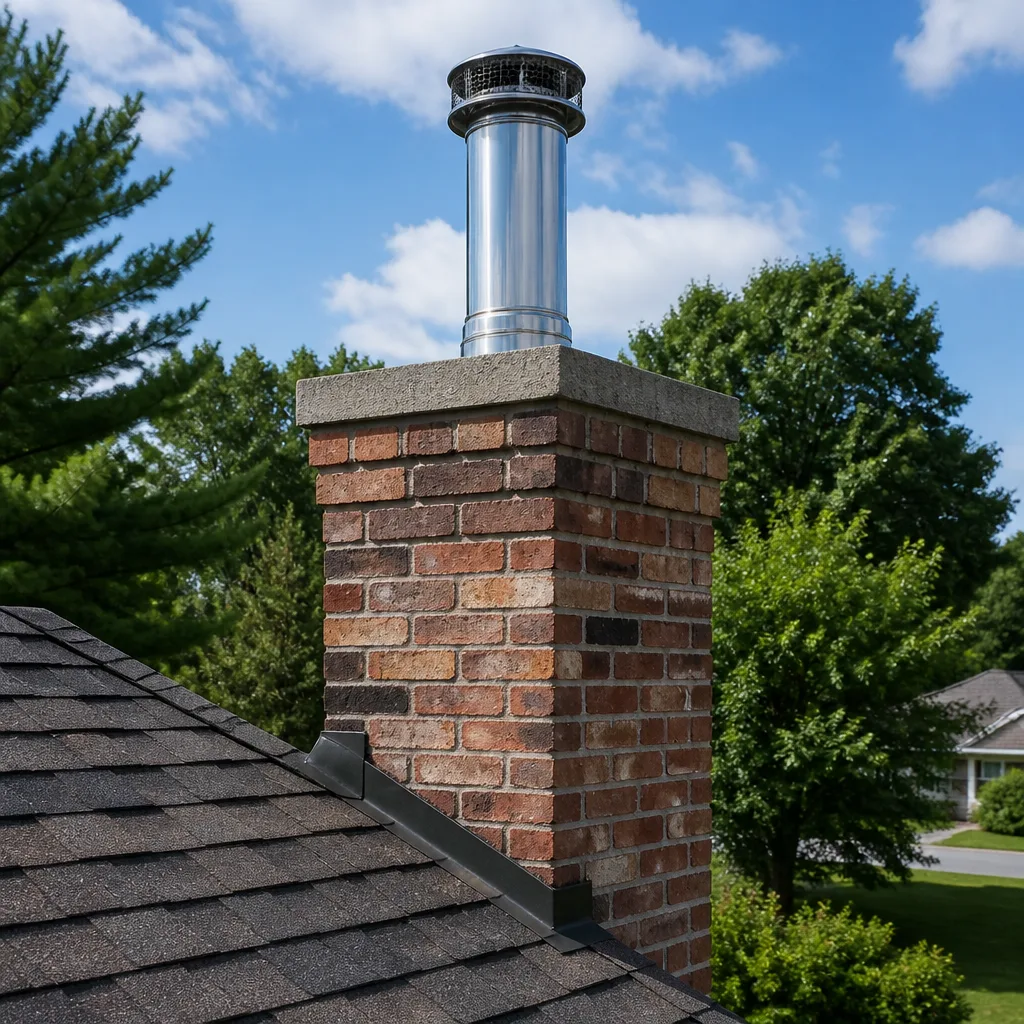 Flue relining
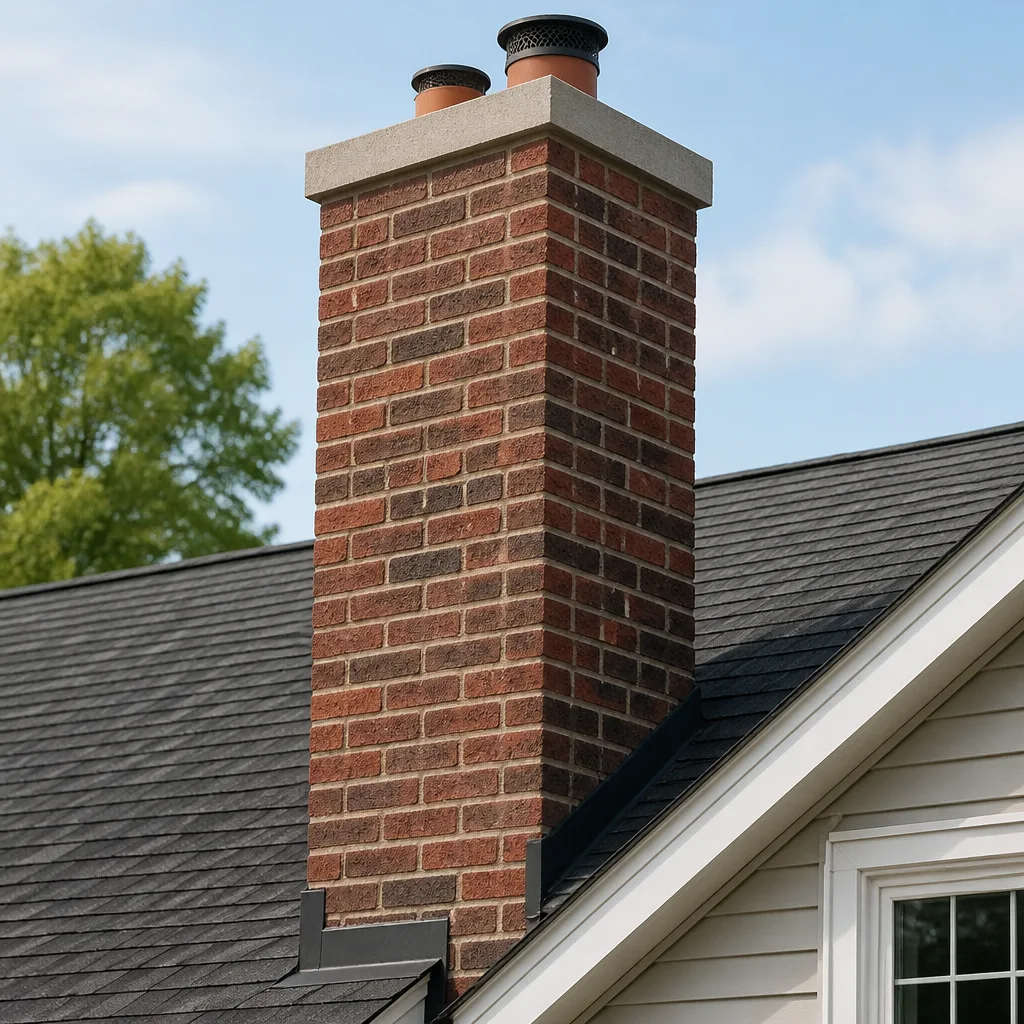 Masonry repair
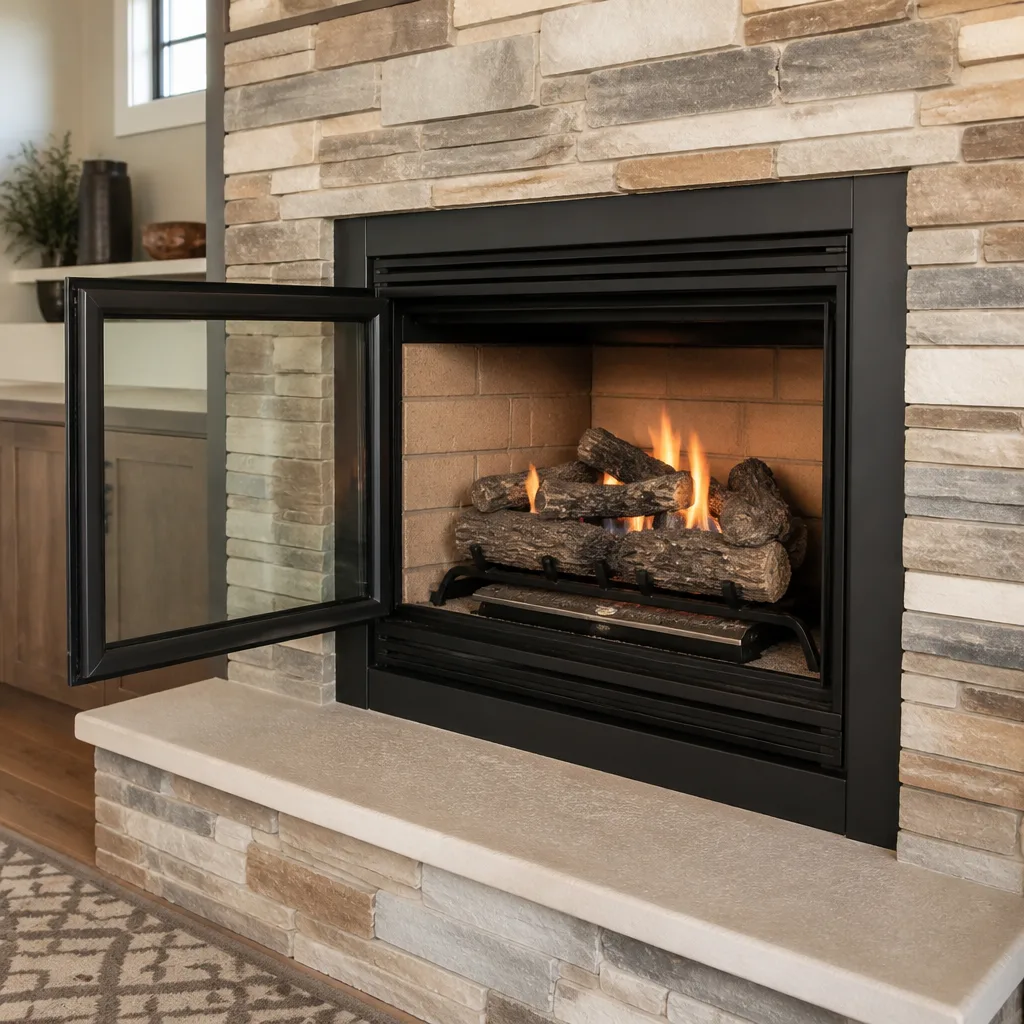 Gas fireplace service
Level 1 sweep and inspection to the NFPA 211 annual standard - flue, crown, cap, and flashing checked and photographed
Chimney sweep logs do not sweep chimneys. They loosen some creosote - which then falls where a brush and vacuum still have to collect it.
The Complete Guide to Chimney Cleaning in Peralta Hills
Most Peralta Hills homeowners assume one sweep per year is standard. That’s the number they’ve heard, so that’s the number they book. But chimneys in wind-exposed hillside homes can accumulate debris and creosote at twice the rate of valley properties, and very few people are told that. The schedule that works in a sheltered neighborhood isn’t automatically the right one on a ridge above the canyon mouth. This guide maps what chimney cleaning actually involves in Peralta Hills, why local conditions change the timing, and how to tell a real cleaning from a quick brush-and-go.
Quick Answer
Chimney cleaning in Peralta Hills means more than removing soot. It includes brushing the flue, vacuuming the firebox and smoke chamber, checking the damper and cap, and assessing creosote stage and liner condition. Because this area sits near canyon terrain and sees dry Santa Ana wind cycles, many homes here need assessment more often than the once-a-year default, and the right interval depends on what’s actually inside the flue rather than the calendar.
Styles & brands we work with
- Sweep & inspection
- Caps & crowns
- Flue relining
- Masonry repair
- Gas fireplace service
Table of Contents
- Why Peralta Hills Chimneys Age Differently
- What Chimney Cleaning Actually Includes
- Creosote Stages: Why They Matter More Than Frequency
- Level 1, 2, and 3 Inspections Explained
- How Santa Ana Winds Change Your Chimney’s Risk
- Firewood Storage Habits in the Hills
- How Often Should You Schedule a Sweep?
- After the Sweep: Cap, Crown, and Prevention
Why Peralta Hills Chimneys Age Differently
Peralta Hills sits in terrain that funnels wind. Canyon-adjacent properties and homes on ridgelines catch gusts that sheltered valley neighborhoods never feel, and that has a direct effect on the inside of a chimney. Wind doesn’t just blow across the roof; it pushes material down the flue, stirs up ash that had settled, and creates downdrafts that carry combustion byproducts into areas of the chimney that normal updraft use never reaches. Over a season, that means debris and creosote can build in places a standard visual check won’t reveal.
The housing stock matters too. Older estate-style homes in the area often have large masonry fireplaces with generous smoke chambers and tall flues. Those are wonderful to use and demanding to maintain. A big firebox produces more smoke, and a tall flue gives that smoke more surface area to condense against. Add the dry, windy cycles this part of Orange County sees and you get a chimney that accumulates faster than its owner expects.
We’ve seen this pattern enough to treat Peralta Hills as its own maintenance category rather than a generic Southern California address. A homeowner here who follows valley advice may go two or three seasons between cleanings and never realize how much has collected. Meanwhile a home a few miles inland with the same fireplace and the same burn habits might genuinely be fine on that timeline. The address is part of the diagnosis.
None of this means every Peralta Hills chimney is in trouble. It means the schedule should be set by inspection, not assumption. That’s the single most useful shift a homeowner can make.
What Chimney Cleaning Actually Includes
A real chimney cleaning is a defined sequence of steps, not a quick pass with a brush. Here’s what a thorough service involves, and what you should expect to see when it’s done:
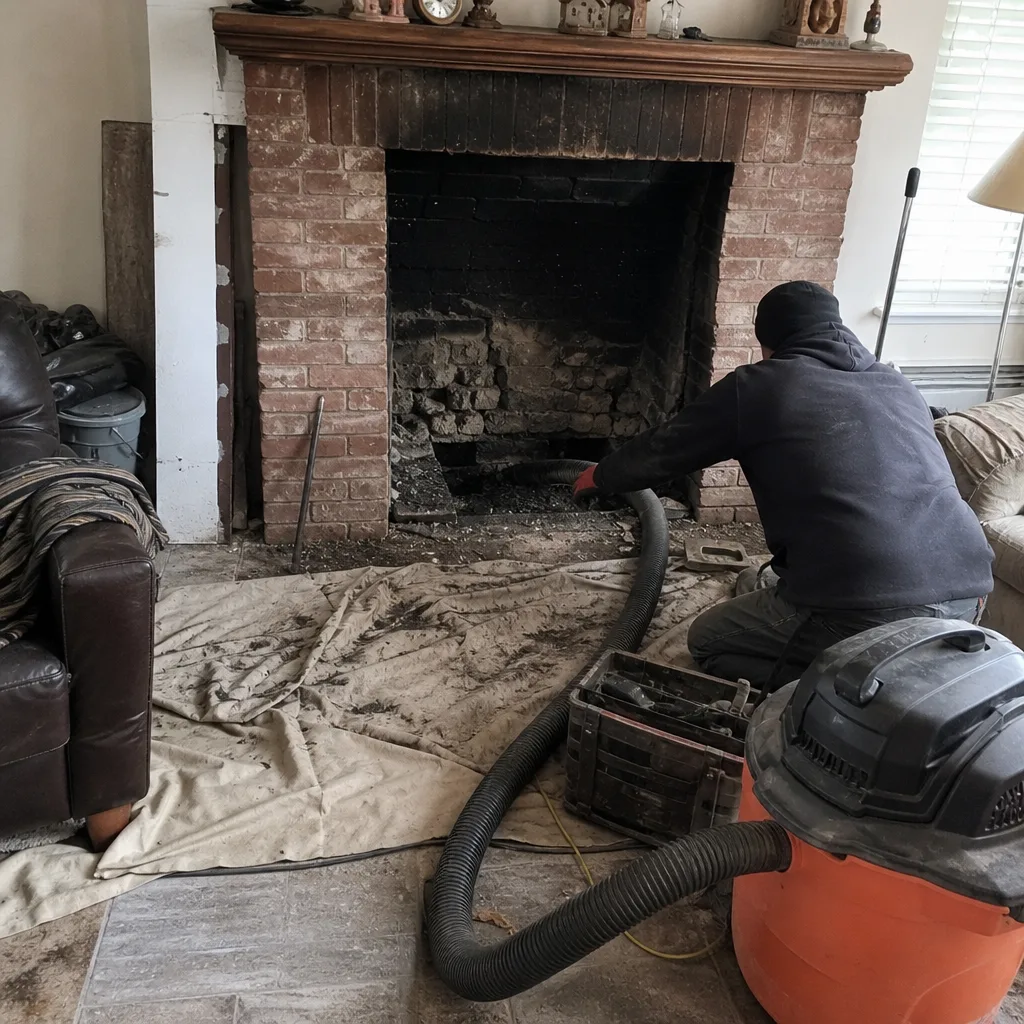
- Protect the living space. Drop cloths and a sealed work area go down before any equipment comes in. Soot travels; containment is part of the job.
- Brush the flue. The flue gets brushed top to bottom with the right size and type of brush for the liner material. Wire brushes on a stainless liner and on clay tile are not the same tool.
- Vacuum with HEPA equipment. A high-efficiency vacuum runs throughout so the dust that brushing loosens gets captured rather than released into the room.
- Clean the firebox. Ash, debris, and any buildup on the firebox walls come out.
- Inspect the smoke chamber. This is the sloped area above the damper and below the flue. It’s where sweeping shortcuts show, and it’s a common place for creosote to hide.
- Check the damper. It should open, close, and seat properly. A damper that sticks open wastes heat and lets cold air down the flue.
- Check the cap and crown. The cap keeps rain, birds, and debris out; the crown sheds water off the masonry top. Both are inspected, and both are part of what we install and repair.
- Assess the liner. Cracks, gaps, and deterioration get noted with real evidence, not a guess.
That last point is where a sweep-only crew and a full-service specialist part ways. If the inspection turns up a damaged liner, we can quote and complete the repair rather than referring you out. Our work with Chimney Sweep Peralta Hills spans sweeping, inspection, caps and crowns, fireplace repair, and structural chimney repair, which means the person who finds the problem is equipped to fix it. A cleaning should end with you knowing exactly what condition your chimney is in, plus any fireplace repair items worth planning for.
Creosote Stages: Why They Matter More Than Frequency
Homeowners tend to think in frequency: once a year, every other year, whenever it looks dirty. Chimney specialists think in creosote stage, because stage determines risk and difficulty far more than how many months have passed since the last sweep.
Creosote forms when wood smoke cools and condenses on the flue walls. How it forms depends on burn temperature, wood moisture, and airflow. It shows up in three broad stages:
- Stage one: soot and light fluff. A thin, powdery coating. Straightforward to brush out. This is what a well-run fireplace with dry, hot-burning wood mostly produces.
- Stage two: hardened crust. Flaky or brittle deposits that have baked onto the liner. Takes more mechanical effort to remove and signals that the fire has been running cool or the wood has been damp.
- Stage three: glazed creosote. A dense, shiny, tar-like layer. This is the dangerous stage. It’s hard to remove with a brush alone and is the stage most associated with chimney fire risk. A sweep-only crew that doesn’t have the training or the products to address it may simply brush what it can and leave the rest.
This is one reason we work with recognized professional-grade materials. HeatShield, for example, is a resurfacing system used to restore a deteriorating flue liner without tearing it out and replacing it, and applying it correctly is a repair-tier skill. When a perforated chimney sweep and inspection turns up stage-three glazing or liner damage, having that capability on the same visit changes the outcome considerably. The homeowner isn’t handed a problem and a phone number; the problem gets a plan.
Level 1, 2, and 3 Inspections Explained
Not every inspection is the same, and knowing the three levels helps you ask for the right one. The National Fire Protection Association’s NFPA 211 standard sets out three inspection levels, and the level you need depends on what’s changed since the last inspection.
Level 1: Routine annual assessment. A visual check of the readily accessible parts of the chimney and venting, without tools that disturb the structure. This is what accompanies a standard cleaning when nothing has changed. If you’ve used the fireplace normally, haven’t moved anything, and haven’t had a chimney fire, Level 1 is the baseline.
Level 2: Changed conditions. More involved, and typically includes a video camera inspection of the flue interior. Level 2 applies when something has changed: a home sale, a new appliance connected to the venting, a change in fuel type, a major wind event that may have caused damage, or after a chimney fire. For Peralta Hills home sales, this is the inspection to ask for, because the buyer and their lender want to know what’s inside the flue, not just what’s visible from the firebox.
Level 3: Diagnostic access. The most involved level, used when a Level 1 or Level 2 inspection reveals a problem that can only be examined by opening up part of the chimney or its concealed spaces. It’s rare, and it’s targeted at a specific suspected issue.
In practice, here’s how a Peralta Hills homeowner can choose:
- You burn regularly and nothing has changed: Level 1 with your cleaning.
- You’re buying or selling a home in the hills: Level 2 before closing.
- You’ve had a chimney fire or a severe Santa Ana wind event: Level 2.
- An inspection has flagged a concealed-space concern: Level 3.
Our inspections are available as a standalone service, so you can get the answer before deciding what work, if any, to authorize. That matters for a first-time buyer lighting a fire in unfamiliar equipment and for a longtime owner who wants a second opinion.
How Santa Ana Winds Change Your Chimney’s Risk
Santa Ana wind cycles are a defining feature of this part of Southern California, and they affect chimneys in ways that aren’t obvious. Normal fireplace use runs on updraft: heat rises, smoke exits the top. A strong wind event can invert that, at least temporarily. Downdrafts push air back down the flue, and with it whatever is loose in the upper sections.
What gets moved around during a wind event:
- Loose soot and light creosote from upper flue walls, redistributed and compacted lower down.
- Debris from the roof, nearby trees, and the cap, some of which ends up inside the flue.
- Airborne material drawn down the flue into the firebox and, in a connected home, into the room.
After a serious wind event, a chimney that looked clean in the fall can hold a fresh load of compacted debris. We recommend booking a chimney sweep and inspection after a significant Santa Ana cycle, especially if you noticed a downdraft or a smoky smell indoors during the wind. A cap in good condition is a meaningful defense here, which is one reason chimney cap & crown work is part of our service lineup rather than an upsell. The cap keeps debris out; the crown keeps water from degrading the masonry top.
The seasonal rhythm in Peralta Hills follows this: prep the chimney before the first fire of the season, and book an assessment after the wind events that tend to arrive in the cooler months. Two touchpoints, not one.
Firewood Storage Habits in the Hills
How you store and season firewood changes how fast creosote builds. This is one of the most controllable factors in chimney health, and it’s frequently overlooked because the wood feels like it’s already there and dry.
Wood that’s still holding moisture burns cooler. A cooler fire doesn’t vaporize creosote the way a hot fire does, so more of it condenses on the flue walls, and it condenses in a wetter, stickier form that hardens into stage-two and stage-three deposits faster. Seasoned wood, split and stacked with airflow, burns hotter and produces less of the material that coats your liner.
Hillside properties in Peralta Hills often have room for a woodpile in a way that flatter suburban lots don’t, and that’s both convenient and a trap. A stack placed tight against the house, under an overhang, or covered on all sides will stay damp in the middle long after the outer pieces feel dry. The piece you burn tonight might be the one from the center of the stack.
A few storage habits worth adopting:
- Split wood well before you need it and give it a full drying season.
- Stack with the split faces exposed and the top covered, but the sides open to airflow.
- Keep the pile off the ground and away from the structure.
- Test a split piece before burning. Moisture meters are worth owning.
We work with recognized brands for hardware and chimney products, and the same logic applies to firewood: quality and traceability matter. We install and work with DuraFlex, HeatShield, Gelco, Olympia Chimney, Famco, and Copperfield, and we name these brands because the material identity is part of the workmanship. Apply that same standard to what you burn.
How Often Should You Schedule a Sweep?
There’s no single correct interval for every house in Peralta Hills, and a service that quotes you a fixed number without checking anything isn’t giving you an answer, it’s giving you a schedule. The honest recommendation depends on four things:
- How much you burn. A fireplace used several times a week through the season accumulates faster than one used a dozen times a year.
- What you burn. Well-seasoned hardwood, burned hot, produces less creosote than damp wood or softwood burned cool.
- How it’s built. Large masonry fireplaces with tall flues in the hills carry more condensing surface than a small, efficient insert.
- What the inspection finds. Creosote amount and stage, liner condition, and debris load all inform the next interval.
As a working default, we suggest a cleaning and Level 1 inspection before each burn season, plus a post-wind-event check in a year with strong Santa Ana cycles. Homeowners who burn heavily, or whose chimneys sit on exposed ridgelines, often need more than that. If your inspection turns up a heavy deposit or a hardened stage, the right interval comes down, sometimes to twice a season.
Don’t skip it because the firebox looks clean. Soot in the flue and creosote in the smoke chamber are what matter, and neither is visible from where you stand. The whole point of a professional chimney sweep is knowing what the firebox doesn’t show you.
After the Sweep: Cap, Crown, and Prevention
Cleaning is the reset, not the finish line. Once the flue is clean and the inspection is done, the question becomes what will keep it that way. That’s the frame we work from: sweep, inspect, then protect what you’ve invested in.
Two pieces of hardware do most of the protective work:
- The cap. A properly fitted cap keeps rain, birds, and windblown debris out of the flue. On a wind-exposed Peralta Hills rooftop, that’s not a small benefit. It’s the first line of defense against the debris loading that follows Santa Ana events.
- The crown. The crown is the masonry top of the chimney, sloped to shed water away from the flue. A cracked or worn crown lets water into the structure, where it degrades the masonry and eventually the liner. Repairing the crown protects the whole stack.
We handle cap and crown work in-house, which closes the gap between cleaning and weatherproofing. A sweep-only operator cleans and leaves; a generalist may clean and refer the cap out. We do the sweep, the inspection, the cap, the crown, and the structural repair as one service relationship, so there’s no second contractor to chase down and no gap where a problem waits for someone else to handle it.
Working with named materials matters here too. We install and service products from DuraFlex, Olympia Chimney, Famco, and Copperfield, among others, so a repaired crown or a new cap is a known, traceable product rather than an unknown substitute.
Common Mistakes to Avoid
- Treating “once a year” as a fixed rule. In wind-exposed hillside homes, that interval can be too long. Let the inspection set the schedule, not a calendar habit carried over from a sheltered neighborhood.
- Judging the chimney by the firebox. A clean-looking firebox tells you nothing about the flue or the smoke chamber. The deposits that create risk are the ones you can’t see from the hearth.
- Burning unseasoned wood for convenience. It burns cooler and coats the liner faster. The firewood stack in your hillside yard may look dry on the outside and be wet in the middle.
- Skipping a post-wind-event check. A strong Santa Ana cycle can load the flue with debris and compacted soot. If you noticed a downdraft indoors, book an assessment.
- Hiring a sweep that can’t fix what it finds. A sweep-only crew that brushes and leaves may hand you a list of problems with a referral attached. Look for one that can complete the repair itself and show you camera evidence before recommending work.
- Neglecting the cap and crown. These are the chimney’s weather protection. Letting a cracked crown go untreated turns a small repair into a structural one.
- Selling or buying a home without a Level 2 inspection. A standard visual check won’t reveal what’s inside the flue. A Level 2 inspection with video camera access is what a sale in the hills should include.
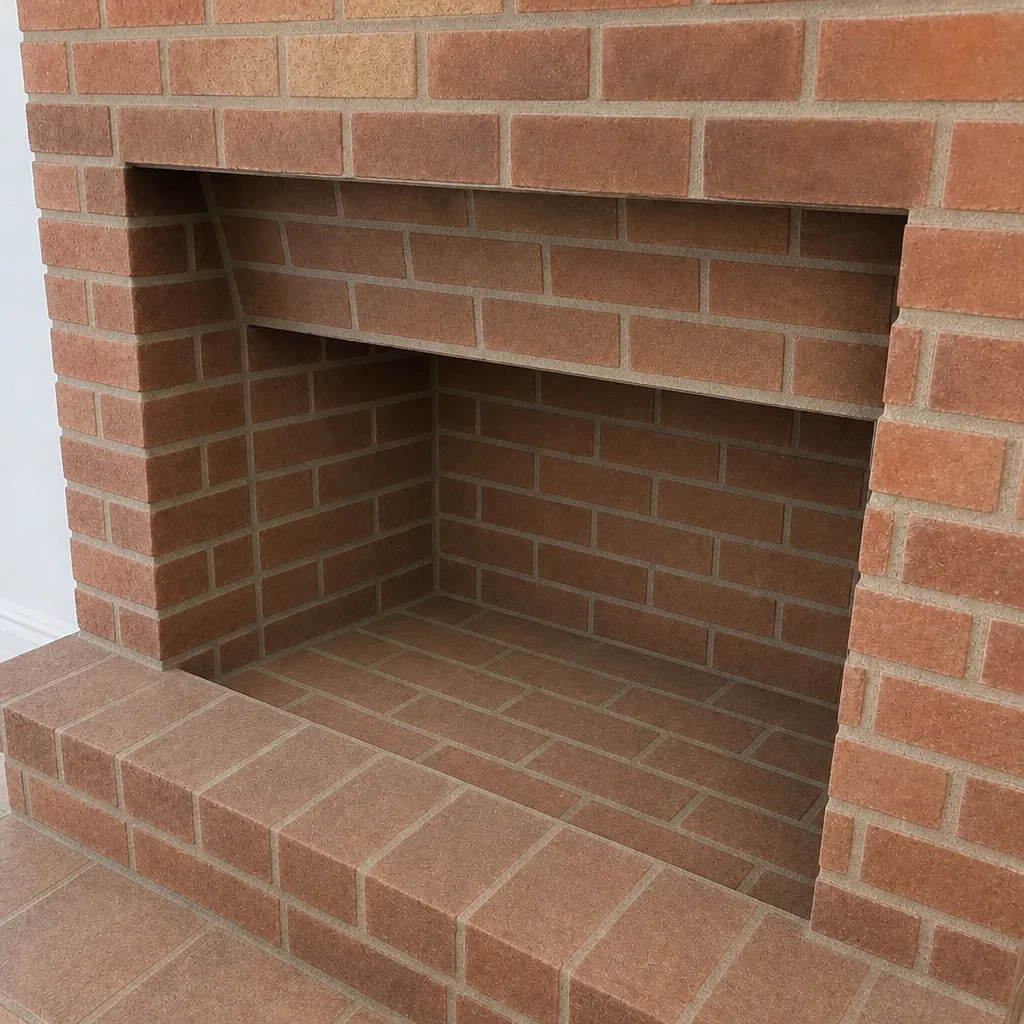
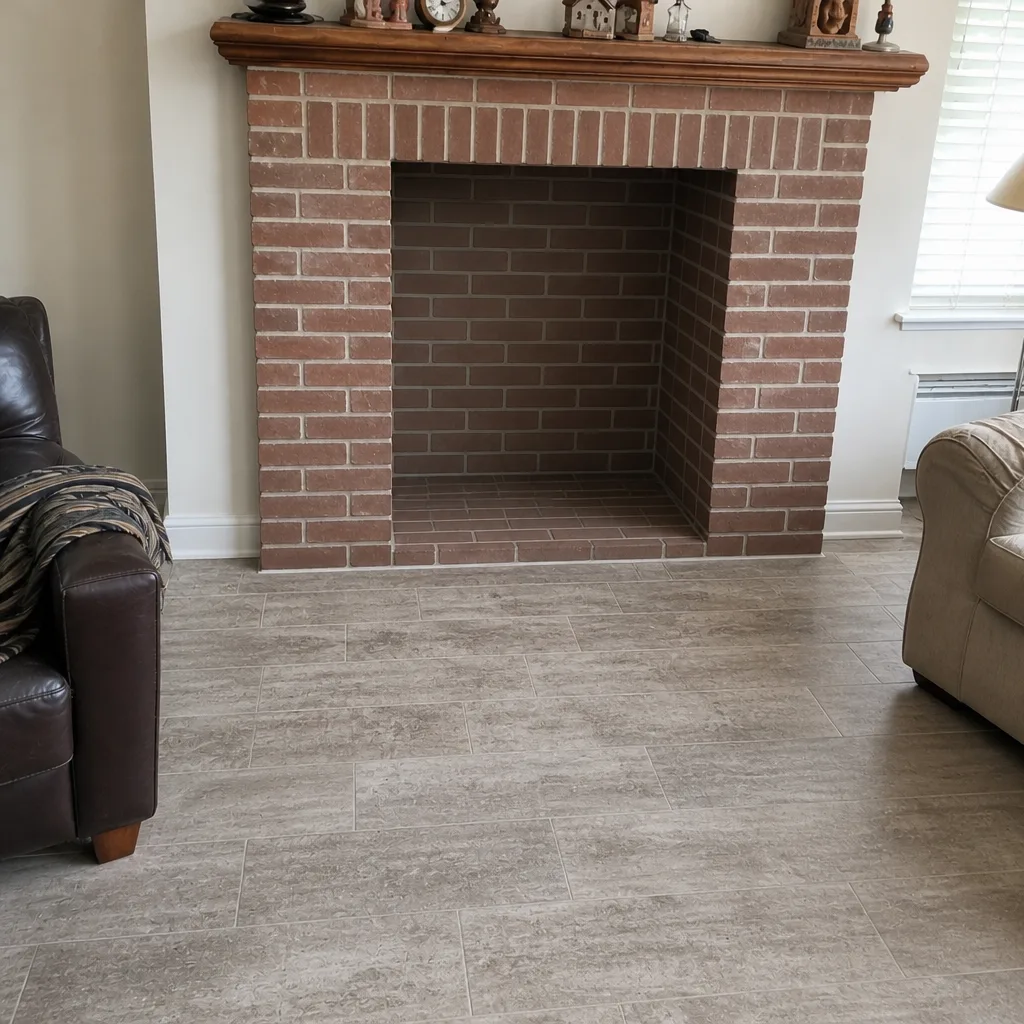
See the difference
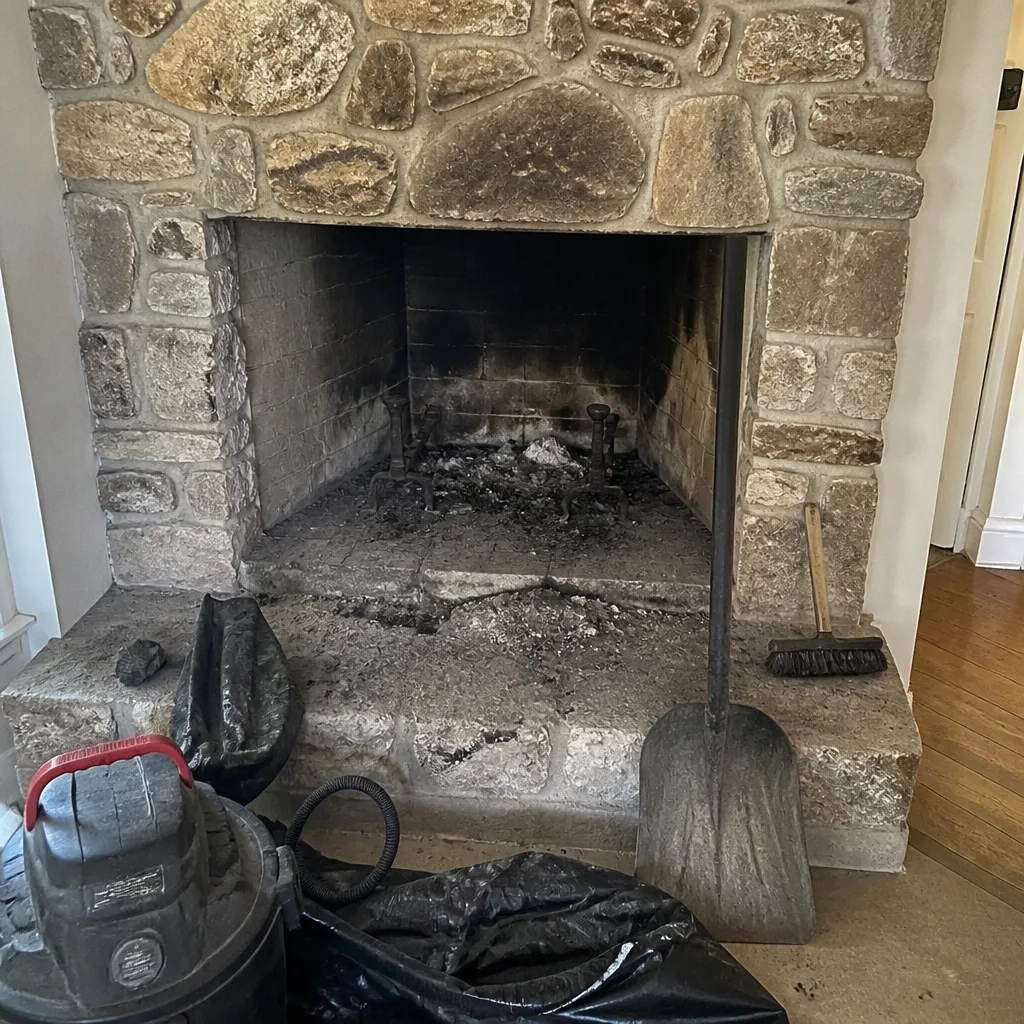 Before
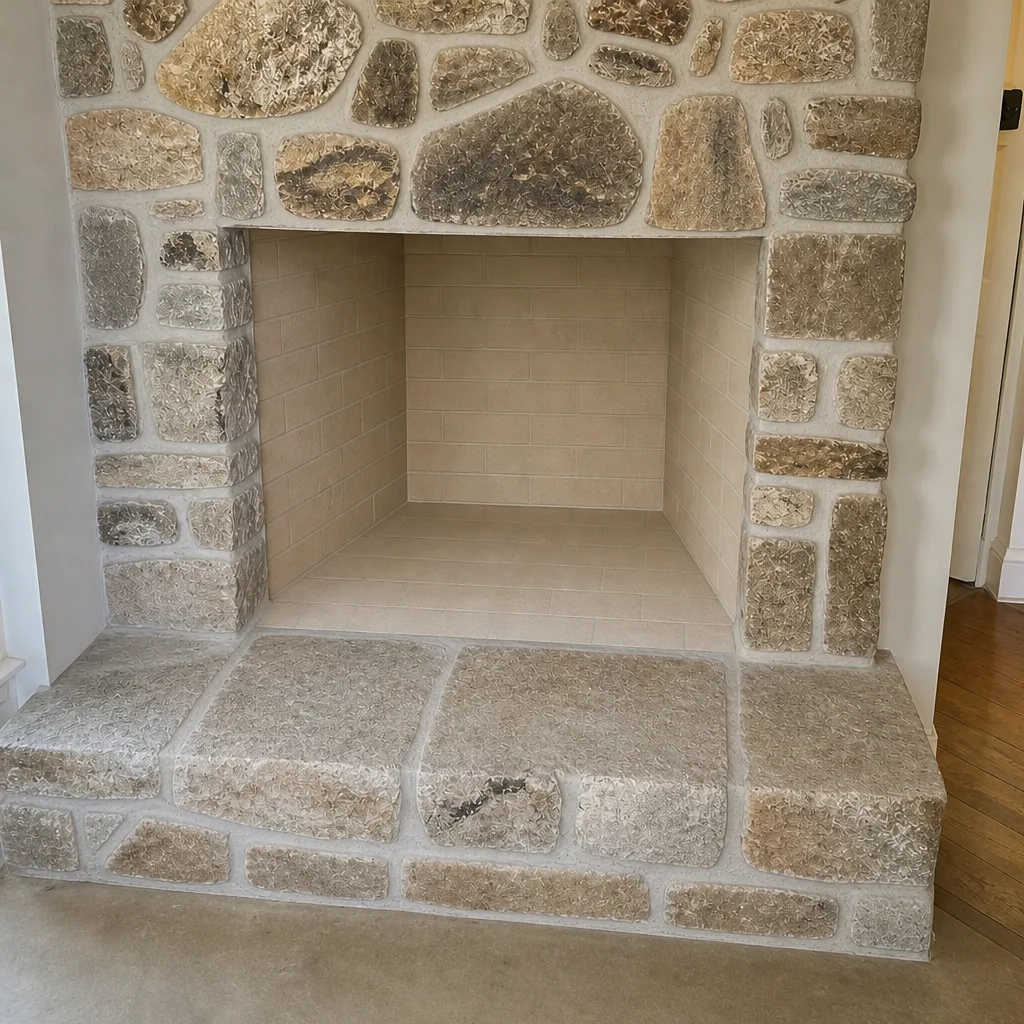 After
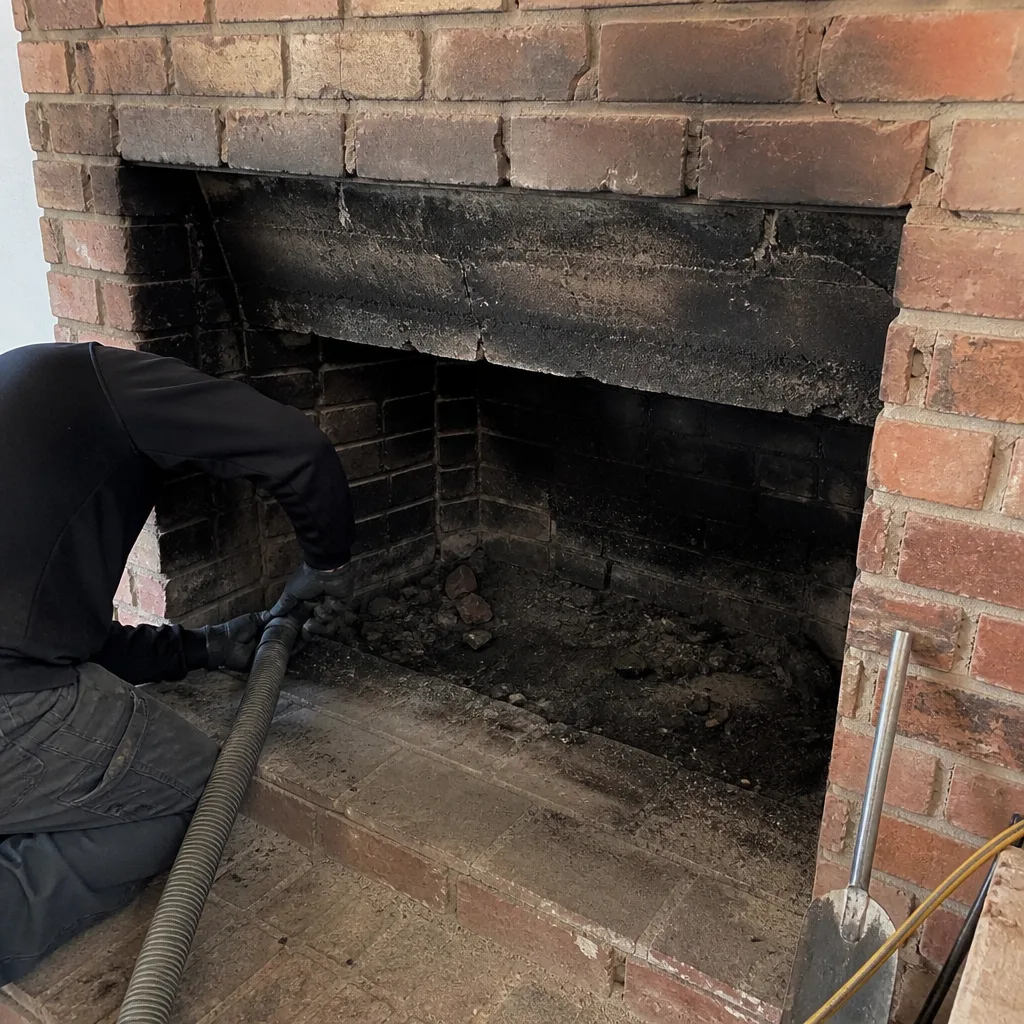 Before
 After
 Before
 After
When to Call a Professional
Call a professional when you’re preparing for the burn season, when you’ve had a chimney fire or a strong Santa Ana wind event, when you’re buying or selling a home in Peralta Hills, or when you notice any of the warning signs: a smoky smell inside the house, a downdraft, soot on the fireplace front, a damaged cap or crown, or difficulty getting the fire to draw. Chasing a flue fire with a fire extinguisher is a mistake, and working on a chimney fire from the inside is not a DIY task; call the fire department first if you suspect one. High-tension and structural work inside a chimney is dangerous, and it belongs with a trained professional.
Chimney Sweep Peralta Hills offers free estimates in Peralta Hills. Call (877) 492-2418. We answer 24/7. Fast dispatch from 7am to 7pm, Sunday through Friday. Our technicians have up to 14 years of experience, and the estimate sets the price per job.
Frequently Asked Questions
Cost depends on the size of the fireplace, how much creosote and debris has accumulated, and whether an inspection is bundled in. Estimates are free, the price is set per job by the written estimate, and you’ll know the scope before any work begins. Call (877) 492-2418 for an exact quote.
You need a new liner only if your existing one is genuinely damaged, and that should be shown to you on camera, not just described. Our inspections include video access so you can see the flue yourself, and nothing is recommended without evidence you can review. If a repair is a good call versus something that can safely wait, we say so plainly. Call (877) 492-2418 to book an inspection.
Most homes here should plan a cleaning and Level 1 inspection before each burn season, plus a check after significant Santa Ana wind events. Heavily used fireplaces and exposed ridgeline homes often need more. The right interval is the one your inspection supports. Call (877) 492-2418 to get a schedule that fits your chimney.
Creosote builds up beyond what a brush can remove, and at the hardened or glazed stages it’s the material most associated with chimney fire risk. Carbon monoxide venting can also be compromised if the flue is blocked. Neither risk announces itself from the firebox. Call (877) 492-2418 for an inspection before the next fire.
A Level 1 is a visual check of readily accessible parts and accompanies a routine cleaning. A Level 2 adds video camera access to the flue interior and is what you want for a home sale, a post-wind-event check, or after a chimney fire. We offer inspections as a standalone service. Call (877) 492-2418 to book one.
Yes. Cap and crown work is part of our service lineup and is handled in-house rather than referred out. We install and work with products from Gelco, Olympia Chimney, Famco, and Copperfield, so the hardware is traceable and product-backed. Call (877) 492-2418 for a free estimate.
The Bottom Line
Chimney cleaning in Peralta Hills isn’t a once-a-year checkbox. Canyon-adjacent terrain, dry Santa Ana wind cycles, and older estate-style fireplaces combine to push debris and creosote deeper and faster than in sheltered valley homes. The schedule that works elsewhere may not fit your chimney. What fits is an approach built on inspection: brush the flue, vacuum the firebox and smoke chamber, check the damper, cap, and crown, and assess creosote stage and liner condition every time. When something needs fixing, one specialist handling the sweep, the inspection, the cap, the crown, and the repair is what closes the loop. Know what’s inside before you light the first fire of the season.
Ready to Book?
Whether you’re prepping for the burn season, buying a home in the hills, or want a second opinion after a wind event, we can help. Call Chimney Sweep Peralta Hills at (877) 492-2418 for a free estimate. We answer 24/7. Fast dispatch from 7am to 7pm, Sunday through Friday. We’ll show you what’s in the flue, explain what it means, and tell you honestly what can wait.
Written by the team at Chimney Sweep Peralta Hills.