
Last updated November 25, 2026
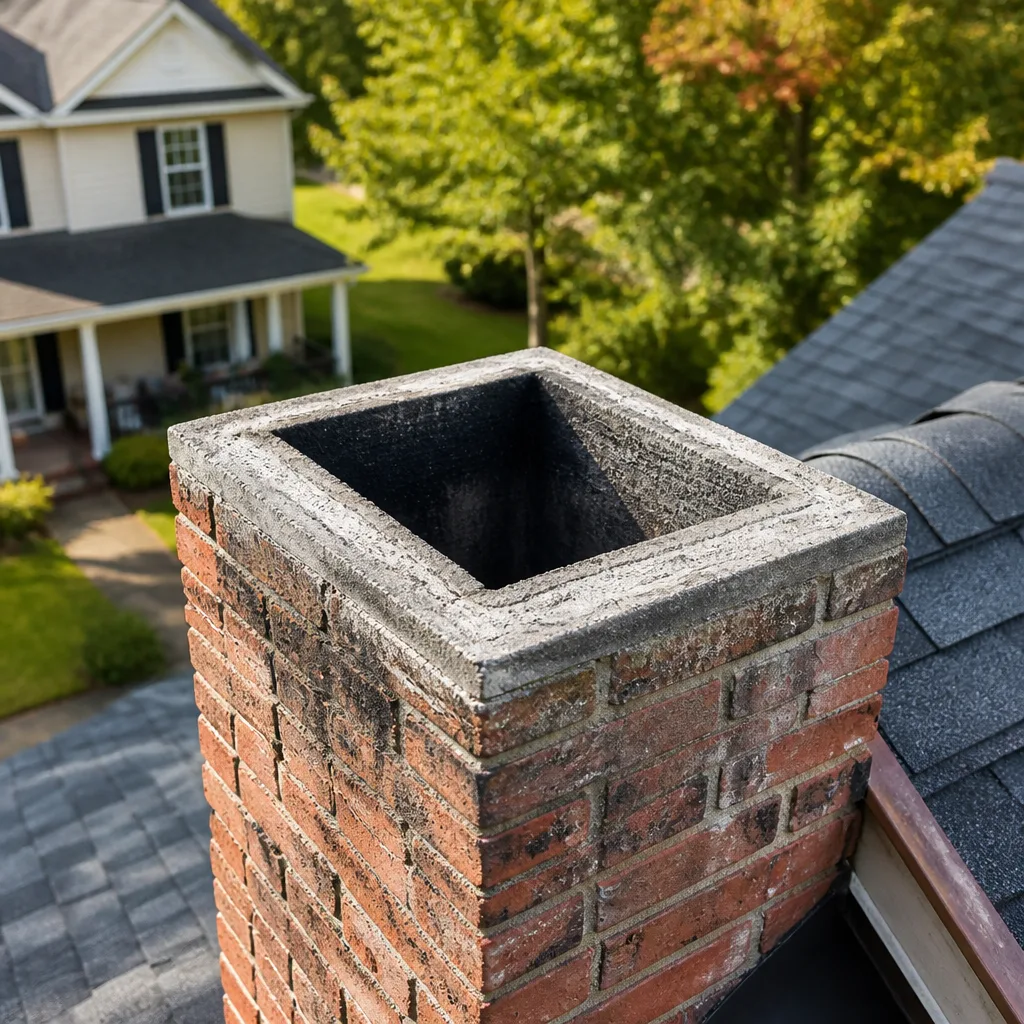 Sweep & inspection
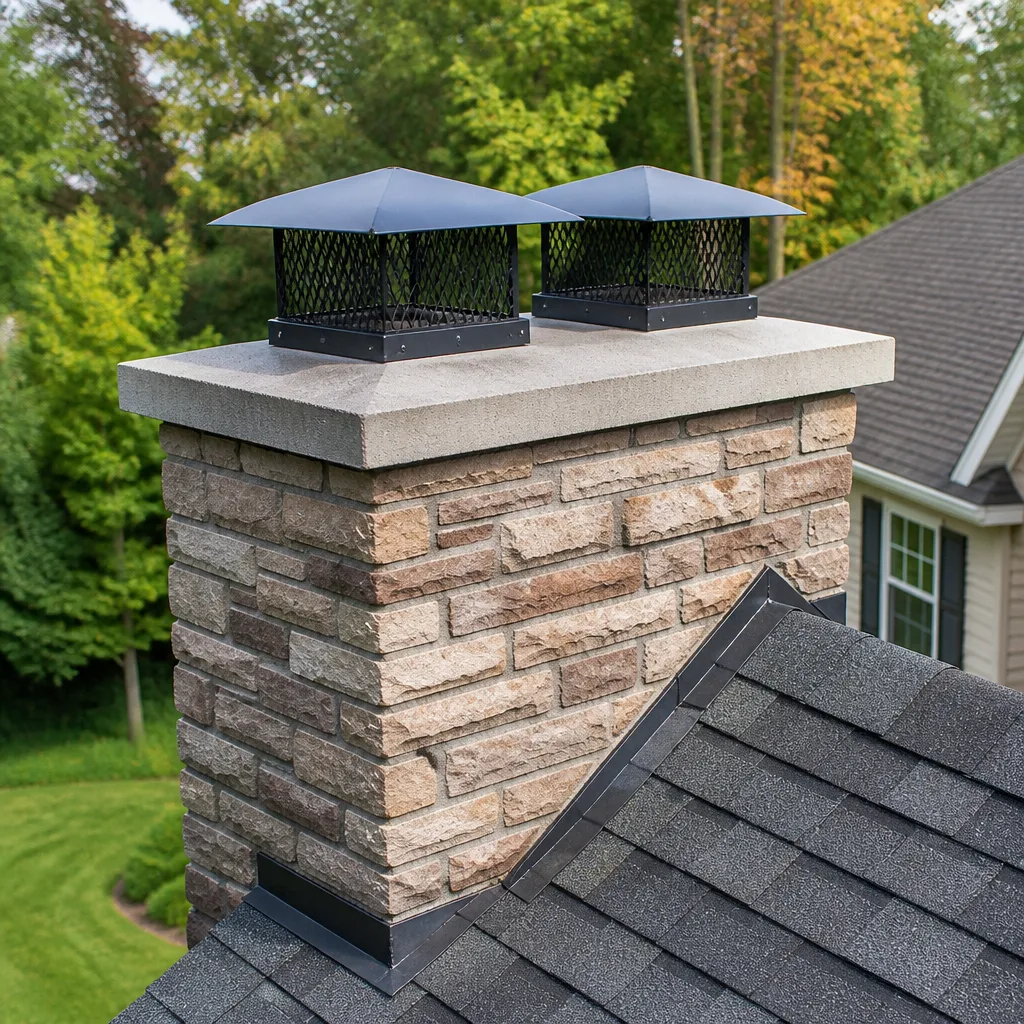 Caps & crowns
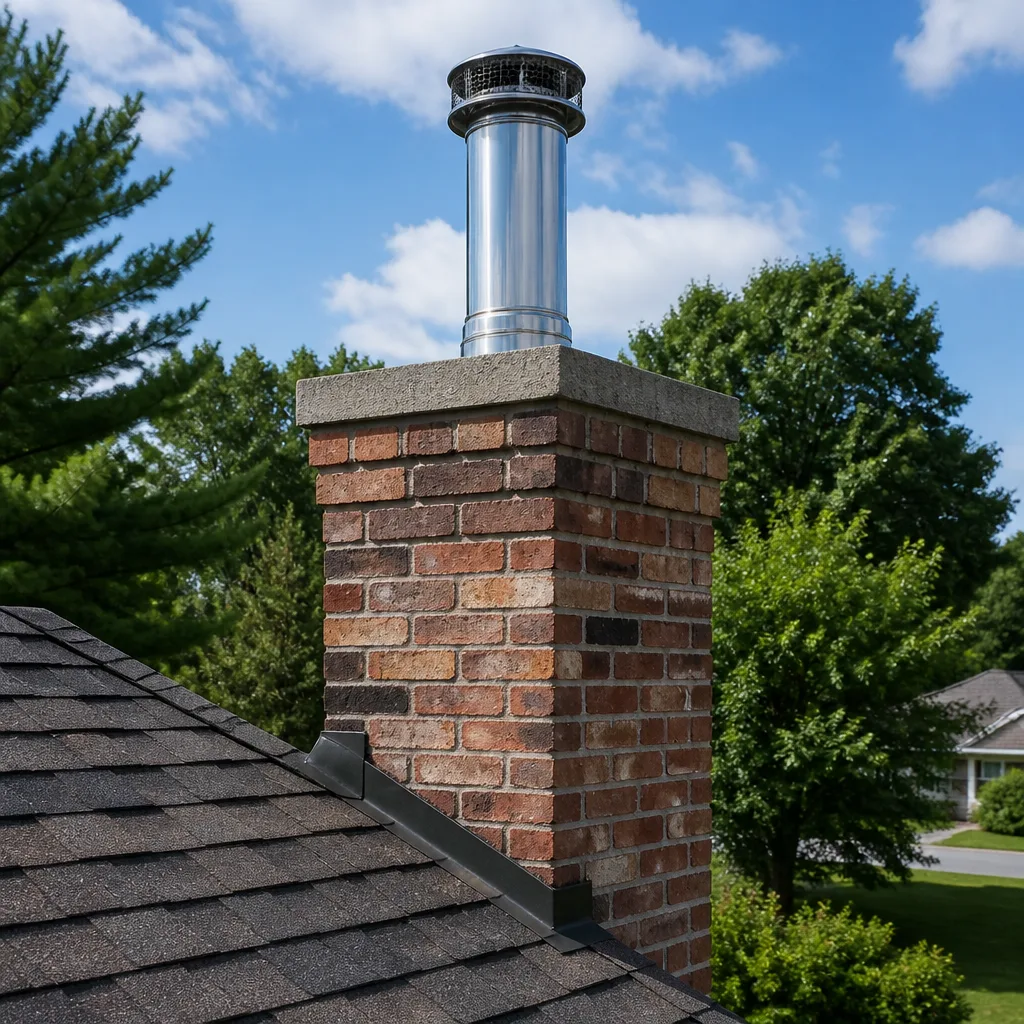 Flue relining
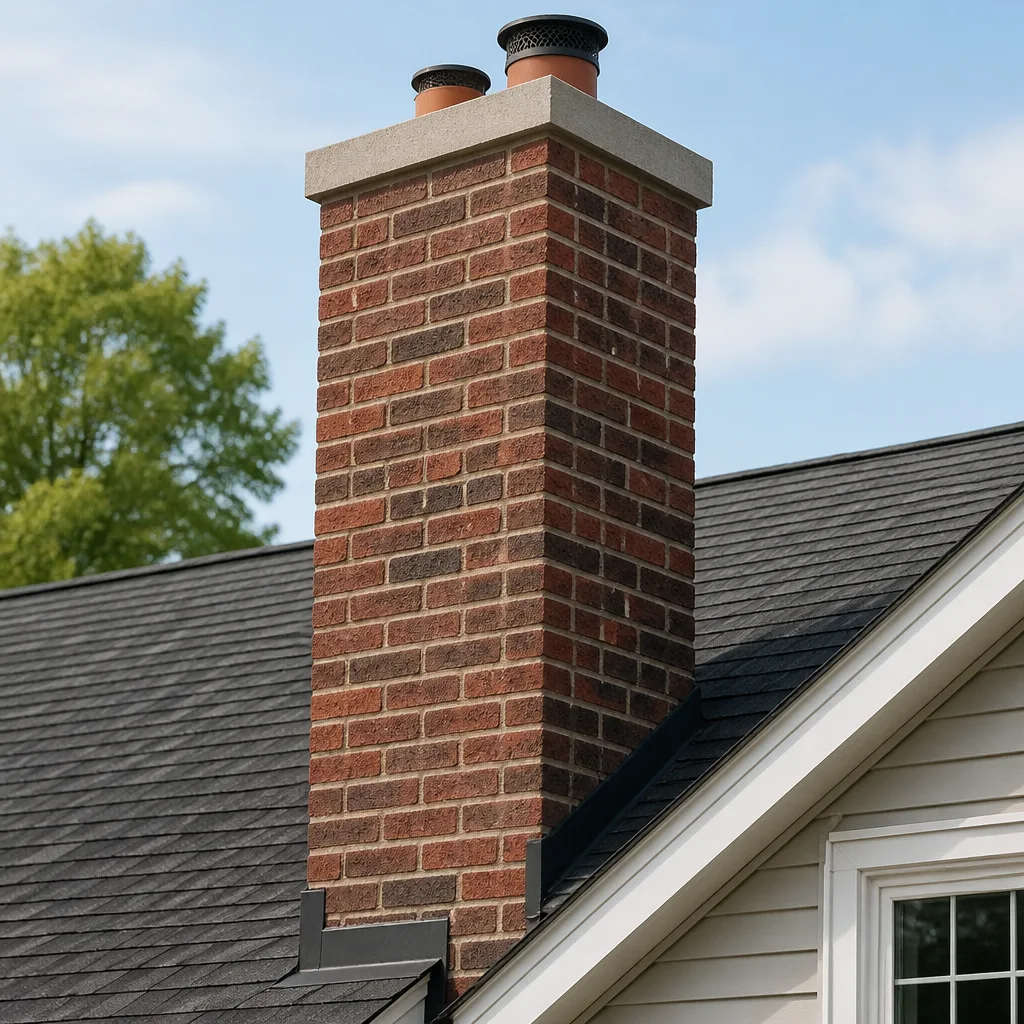 Masonry repair
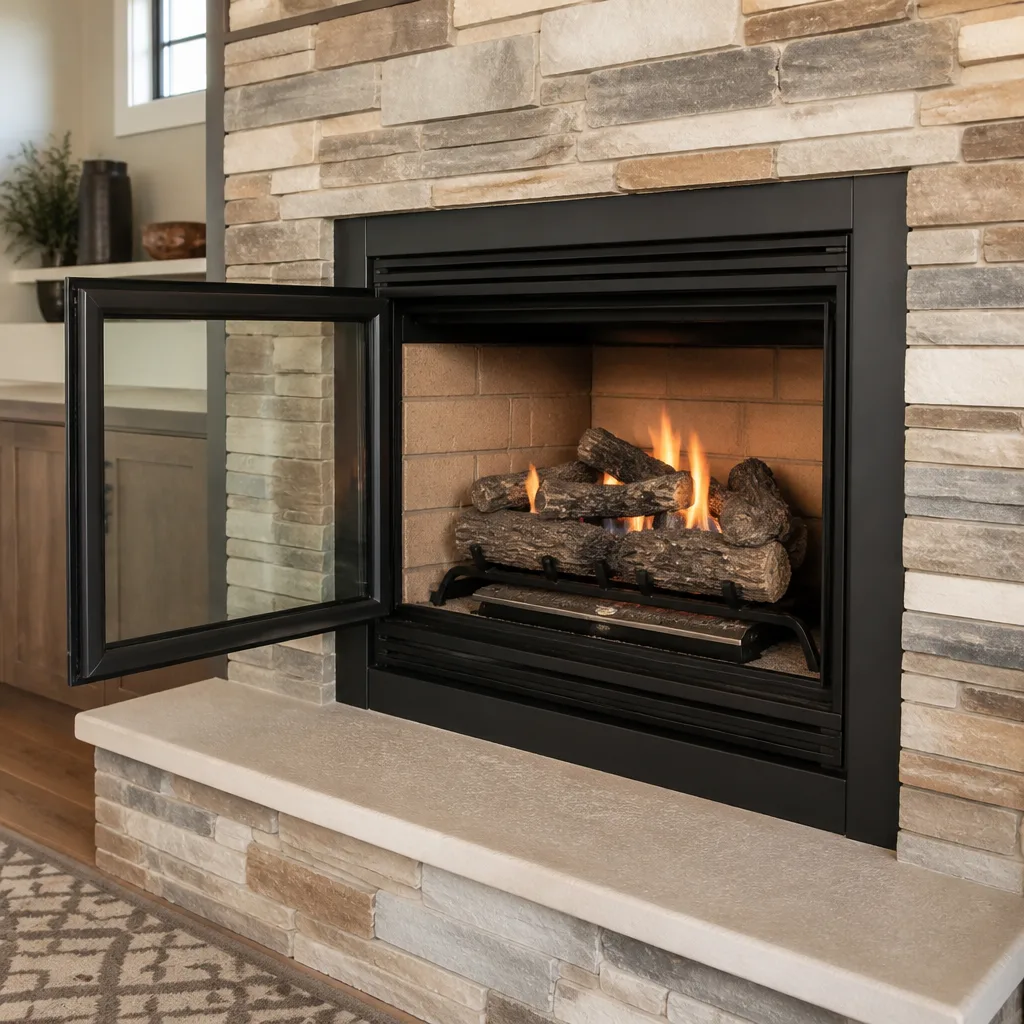 Gas fireplace service
Level 1 sweep and inspection to the NFPA 211 annual standard - flue, crown, cap, and flashing checked and photographed
Chimney sweep logs do not sweep chimneys. They loosen some creosote - which then falls where a brush and vacuum still have to collect it.
Chimney Sweep Maintenance Checklist for Peralta Hills Homeowners
The most common maintenance gap isn’t a skipped annual sweeping. It’s that homeowners check the fireplace interior and never look at the four exterior components that protect the entire flue from above. In Peralta Hills, hillside exposure adds another layer: wide thermal swings between warm days and cool nights work on mortar and crown edges in a way flatland lots don’t experience, and dry-season wind events push debris onto roofs and into caps. This checklist is built around what a specialist actually verifies, component by component, not what looks tidy on a printed flyer. You’ll get a seasonally timed maintenance calendar for Peralta Hills, clear lines between what you can safely eyeball and what needs a camera inspection, and the exterior items most guides leave out entirely.
Quick Answer
A working Peralta Hills chimney checklist covers three zones: the exterior top (cap, crown, mortar joints), the interior firebox and damper, and the flue itself, verified by camera during an annual inspection. Visual checks you can do yourself every month; camera inspection, liner assessment, and any repair work belong to a specialist. The single most-skipped item on hillside homes is the crown, the concrete top that sheds water away from the masonry.
Styles & brands we work with
- Sweep & inspection
- Caps & crowns
- Flue relining
- Masonry repair
- Gas fireplace service
Table of Contents
- Why a Generic Checklist Fails a Peralta Hills Chimney
- The Exterior Checklist: Cap, Crown, and Mortar Joints
- The Interior Checklist: Damper, Smoke Shelf, Firebox
- The Flue: What Only a Camera Can Show You
- The Mid-Season Spot Check After a Santa Ana Wind Event
- Timing the Checklist to Peralta Hills Seasons
- DIY-Visual vs. Professional Hands: Where the Line Sits
Why a Generic Checklist Fails a Peralta Hills Chimney
Most chimney maintenance checklists are written for a climate with a hard freeze and a long heating season. Peralta Hills doesn’t have either. What it has is a mild winter, a long dry stretch, and hillside homes where the chimney stack is fully exposed to sun, wind, and the daily temperature swing that comes with elevation. That changes which components fail first.
On a flat, shaded lot, the interior gets the attention because that’s where the fire is. On a hillside lot in Peralta Hills, the exterior masonry takes more punishment than the firebox does. The crown cracks. The cap screen clogs with dry debris. Mortar joints on the sun-facing side weather faster than the shaded side. None of that shows up when you look into the fireplace.
A checklist that reflects your actual system has to account for three things at once:
- Exposure: how much sun and wind the stack gets, which on a Peralta Hills hillside is usually a lot.
- Use: how often you burn, and whether you burn hardwood or softer wood that throws more creosote.
- Age of the last inspection: when the flue was last checked with a camera, not just swept.
The sections below walk through each zone in the order a specialist checks them, starting at the top. If you want the broader service picture first, the Chimney Sweep Peralta Hills page covers the full scope we handle.
The Exterior Checklist: Cap, Crown, and Mortar Joints
Start at the roof, not the fireplace. The exterior components are what keep water and debris out of the flue, and on a Peralta Hills hillside they’re the items that wear first. Here’s what to verify, in order.
1. The chimney cap and screen
The cap is the metal or masonry cover over the flue opening, and the screen is the mesh that keeps birds, squirrels, and leaves out. Check that the cap is seated flat and hasn’t shifted, that the screen isn’t torn or clogged with dry debris, and that the cap is actually sized to the flue rather than sitting loose. A clogged screen restricts draft and pushes smoke back into the room. We install and service caps from brands like Gelco and Olympia Chimney because a cap that fits the flue correctly does its job for years, while a loose one works itself free in wind.
2. The crown
The crown is the concrete slab at the very top that slopes water away from the masonry. Look for hairline cracks, spalling (flaking concrete), or a crown that has pulled away from the flue tile. A cracked crown lets water into the masonry below, and that water shows up later as damaged mortar and a deteriorating liner. This is the item most homeowners never check, and on Peralta Hills hillside homes it’s the one that fails first.
3. Mortar joints
Walk the visible stack and look at the mortar lines between bricks. Recessed, crumbly, or missing mortar means the joints need repointing. Pay attention to which side of the stack faces the afternoon sun; that side usually weathers first.
4. Flashing at the roofline
The metal flashing where the chimney meets the roof should be tight and sealed. Lifted or cracked flashing is a roof leak waiting to happen, and it’s easy to miss from the ground.
If the cap or crown needs work, we handle both in-house as part of chimney cap & crown service, so the weatherproofing doesn’t get separated from the cleaning.
The Interior Checklist: Damper, Smoke Shelf, Firebox
Inside the firebox, you’re checking for the wear that comes from actual use. This is where a fireplace that gets burned regularly in Peralta Hills shows its history.
The damper
Open and close the damper fully. It should seat flat when closed and open smoothly without sticking. A damper that doesn’t seat lets heated air escape up the flue when the fireplace is idle, and one that sticks open is a draft problem in reverse. If the damper plate is warped or the hinge is loose, note it for the inspection.
The smoke shelf
The smoke shelf is the ledge just behind the damper. It collects debris, and a loaded shelf changes how smoke moves up the flue. You can see it with a flashlight from the firebox, but clearing it properly is a sweep job.
Firebox brick and mortar
Look at the firebox walls. Cracked firebrick, missing mortar between bricks, or a firebox liner that’s crumbled at the edges all mean the firebox needs attention. Small hairline cracks in firebrick are common and often cosmetic; open joints and displaced brick are not. This is where fireplace repair comes in, and we handle the firebox and the surrounding masonry rather than referring it out.
The creosote line
Look up the flue from the firebox with a flashlight. You’ll see a coating on the liner walls. Light, flaky creosote is normal between sweeps. Glossy, tar-like creosote, or a buildup thick enough to flake off in chunks, is a sign the flue needs sweeping before the next fire. We don’t ask you to judge the thickness; the sweep and camera inspection tell the story.
The Flue: What Only a Camera Can Show You
You can’t assess the inside of a flue by looking up it with a flashlight. The flue is a long vertical shaft, and the failure points are the joints, offsets, and liner seams that a flashlight can’t reach. Camera inspection is the difference between guessing and knowing.
A camera inspection shows:
- Liner condition: cracks, gaps at the seams, and sections where the liner has deteriorated.
- Creosote thickness: measured along the full run of the flue, not just the lower few feet.
- Obstructions: nests, debris, or a collapsed section that a visual check would miss.
- Offset condition: the angled sections of the flue, which are common failure points on older chimneys.
When the camera shows a liner that’s deteriorated but not collapsed, resurfacing is often an option before replacement. We apply HeatShield, a resurfacing system used to restore a deteriorating flue liner without pulling the whole thing out. When the liner is beyond resurfacing, a flexible stainless liner is the standard route, and we install DuraFlex liner systems for that. Both are repair-tier skills, not sweep work, which is why a sweep-only service can’t offer them.
If you’ve had a chimney fire, a flue collapse, or a major repair, an inspection at the appropriate level is the right call before you burn again. We provide chimney inspections as a standalone service for that reason.
The Mid-Season Spot Check After a Santa Ana Wind Event
Santa Ana winds are the one local event that can undo a clean chimney between annual sweeps. Dry, gusty wind drives debris onto roofs, into caps, and against the stack. A short spot check after a wind event catches small problems before they become repair jobs.
Here’s the mid-season check, in order:
- Look at the cap and screen from the ground or a safe vantage point. Check for a shifted cap or a screen packed with leaves and dry needles.
- Check for anything leaning against the stack. Wind-blown branches and debris that lodge against the masonry hold moisture and can damage flashing.
- Look at the crown edge. New cracks after a wind event are worth noting even if they’re small.
- Open the damper and check for debris in the firebox. Wind can push material down an uncapped or loosely capped flue.
- Smell for smoke when the fireplace is idle. A persistent smoke smell with the damper closed points to a draft problem or a debris blockage.
If any of those checks turns up a problem, that’s the moment to book a sweep and inspection rather than waiting for the next annual visit. Santa Ana season in Peralta Hills is also the driest stretch of the year, which means the creosote in the flue is at its most combustible.
Timing the Checklist to Peralta Hills Seasons
Generic checklists say “fall and spring.” Peralta Hills doesn’t need that cycle. The local pattern is a long dry season, a short mild winter, and a wind season that sits in between. Timing your checklist to that pattern makes more sense than copying a calendar written for a cold climate.
A practical annual rhythm looks like this:
- Late summer, before the first fire: the annual sweep and inspection. This is the core checklist visit, timed so the flue is clean before you light the first fire of the season.
- After the first significant wind event of the dry season: the mid-season spot check described above.
- Mid-winter, if you burn heavily: a visual check of the firebox and damper, plus a look at the creosote line.
- End of the burning season: a roof-level look at cap, crown, and flashing, since the exterior has had a season of exposure.
The single most important timing rule is the pre-season sweep. A flue that was swept last season and then sat through a dry summer with wind-blown debris is not a clean flue, regardless of how many fires you had last year. Booking the chimney sweep before the first fire means the inspection catches problems while there’s still time to fix them.
DIY-Visual vs. Professional Hands: Where the Line Sits
There are checks a homeowner can safely do, and there are things a trained technician needs to handle. Knowing the line matters, because a homeowner trying to inspect a flue or clear a blockage can get hurt or make a small problem worse.
Safe for a homeowner:
- Looking at the cap and screen from the ground or a window.
- Opening and closing the damper to check for sticking.
- Looking at the firebox walls with a flashlight.
- Noting the visible creosote line up the flue.
- Checking the crown and mortar from a safe vantage point.
Belongs to a professional:
- Any work on the roof, including the cap and crown.
- Camera inspection of the flue.
- Clearing a blockage or sweeping the flue.
- Assessing whether a liner needs resurfacing or replacement.
- Any repair to the firebox, masonry, or flashing.
Roof work is where most homeowner injury happens, and the flue itself can hide hazards you can’t see from below. A trained technician with a camera and the right tools can confirm what’s actually inside the flue. Our technicians have up to 14 years of experience, and the inspection is the starting point for every recommendation we make.
Common Mistakes to Avoid
- Checking the firebox and skipping the roof. On a Peralta Hills hillside, the cap, crown, and mortar take more wear than the interior. A checklist that ignores the exterior misses the items that fail first.
- Assuming a swept flue stays clean through the dry season. Wind-blown debris and dry needles collect in caps and flues between sweeps. A pre-season check catches that before the first fire.
- Treating a cracked crown as cosmetic. A hairline crack in the crown lets water into the masonry below, which shows up later as damaged mortar and a failing liner. It’s an inexpensive fix early and a structural repair later.
- Judging the liner by looking up the flue. The failure points are the joints and seams a flashlight can’t reach. Only a camera inspection shows the real condition.
- Booking a sweep and stopping there. A sweep cleans the flue; it doesn’t tell you whether the liner is sound or the cap is seated. The inspection is a separate, necessary step.
- Calling a general handyman for chimney work. Sweeping and structural repair are different skills, and a generalist who cleans but can’t fix leaves you with a second contractor and a gap in the record.
- Waiting until the first cold snap to book. The pre-season sweep is a planned visit, and timing it before the burning season starts is what keeps the checklist on schedule.
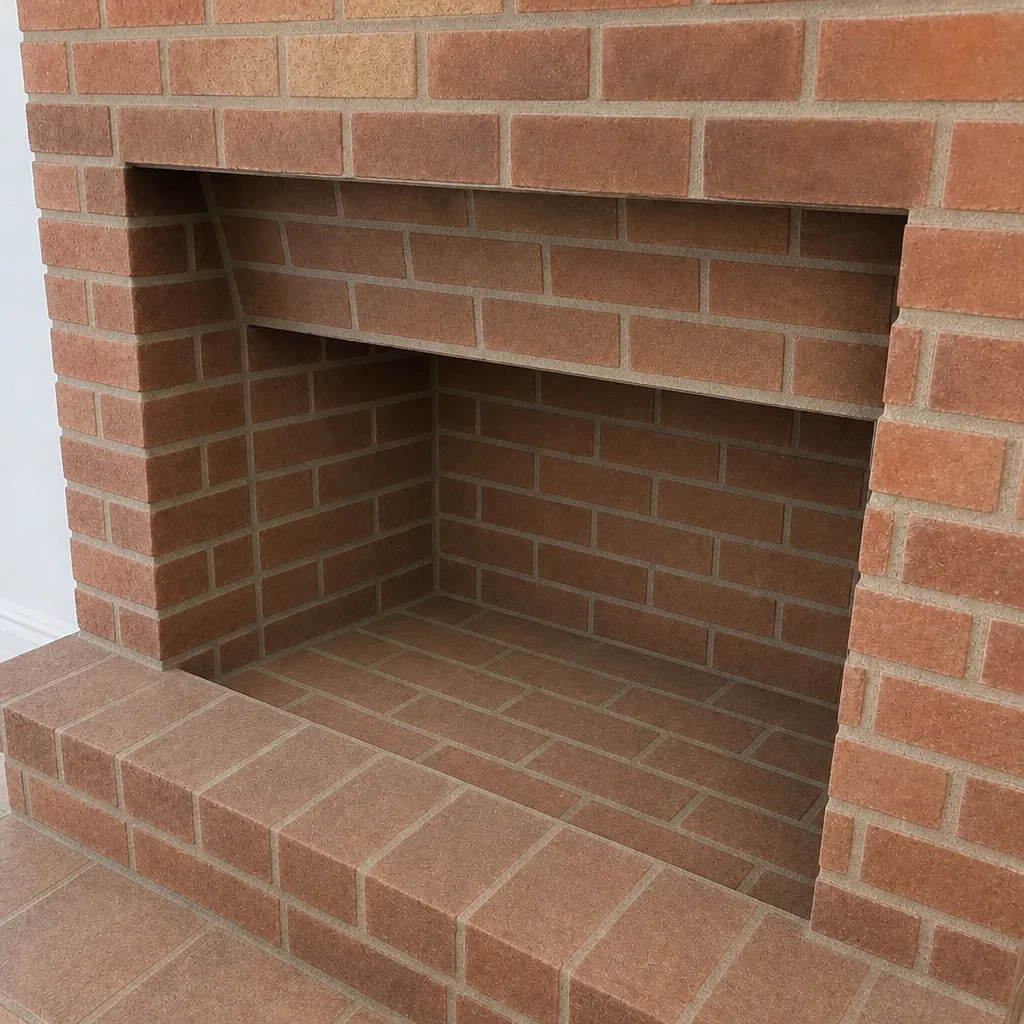
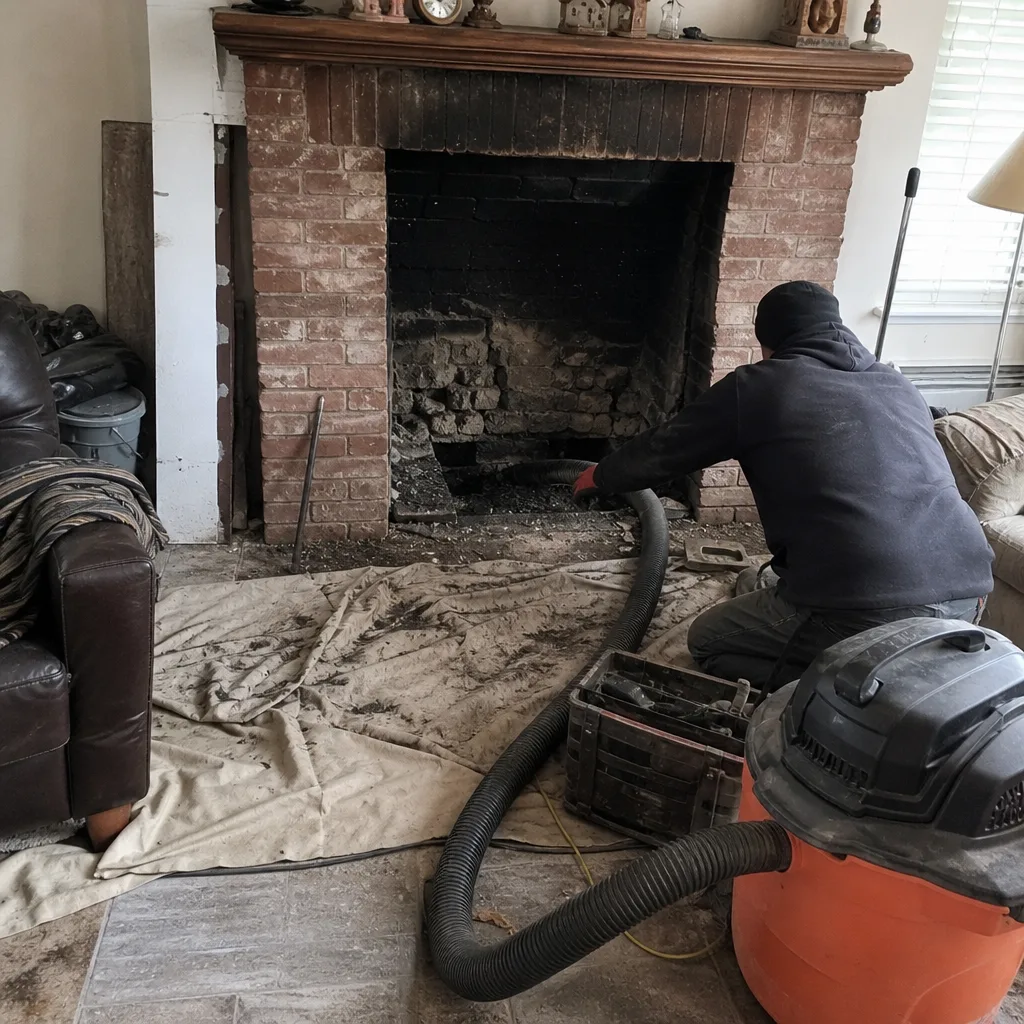
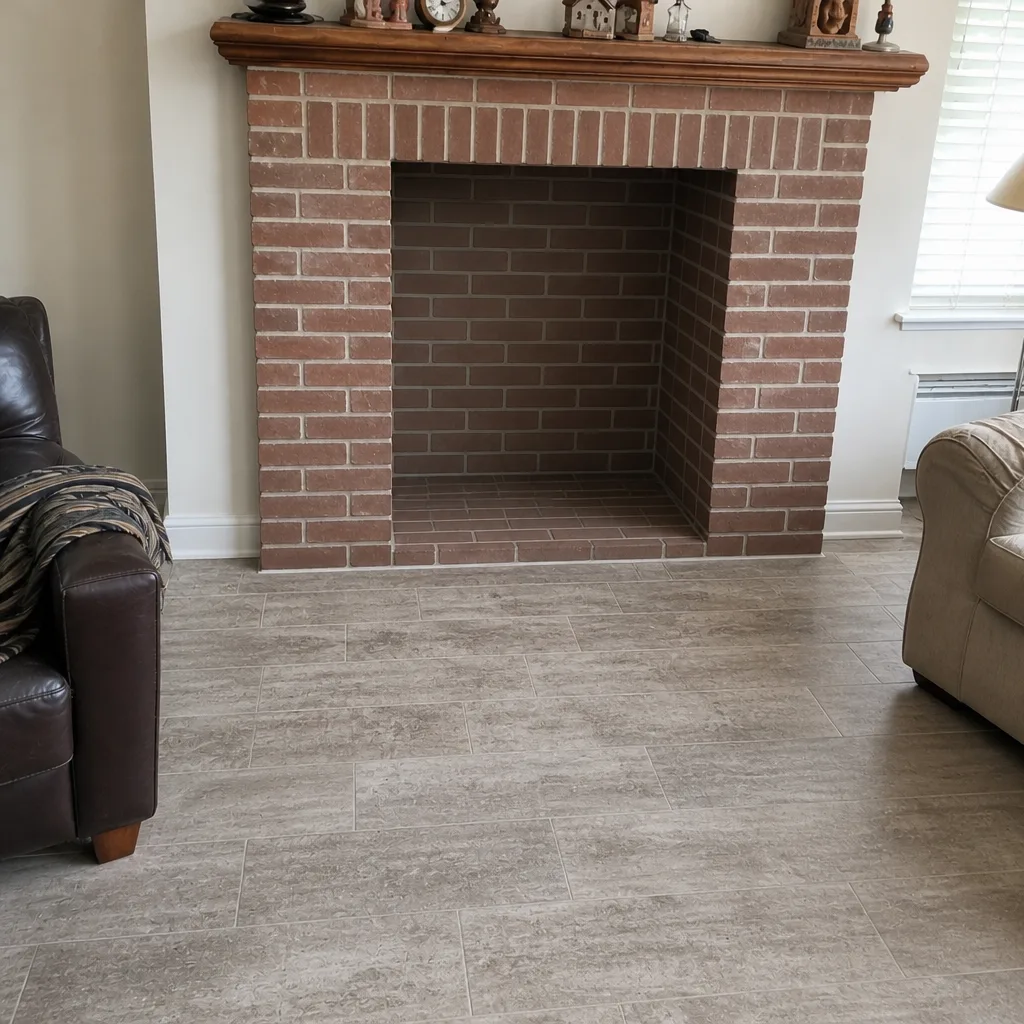
See the difference
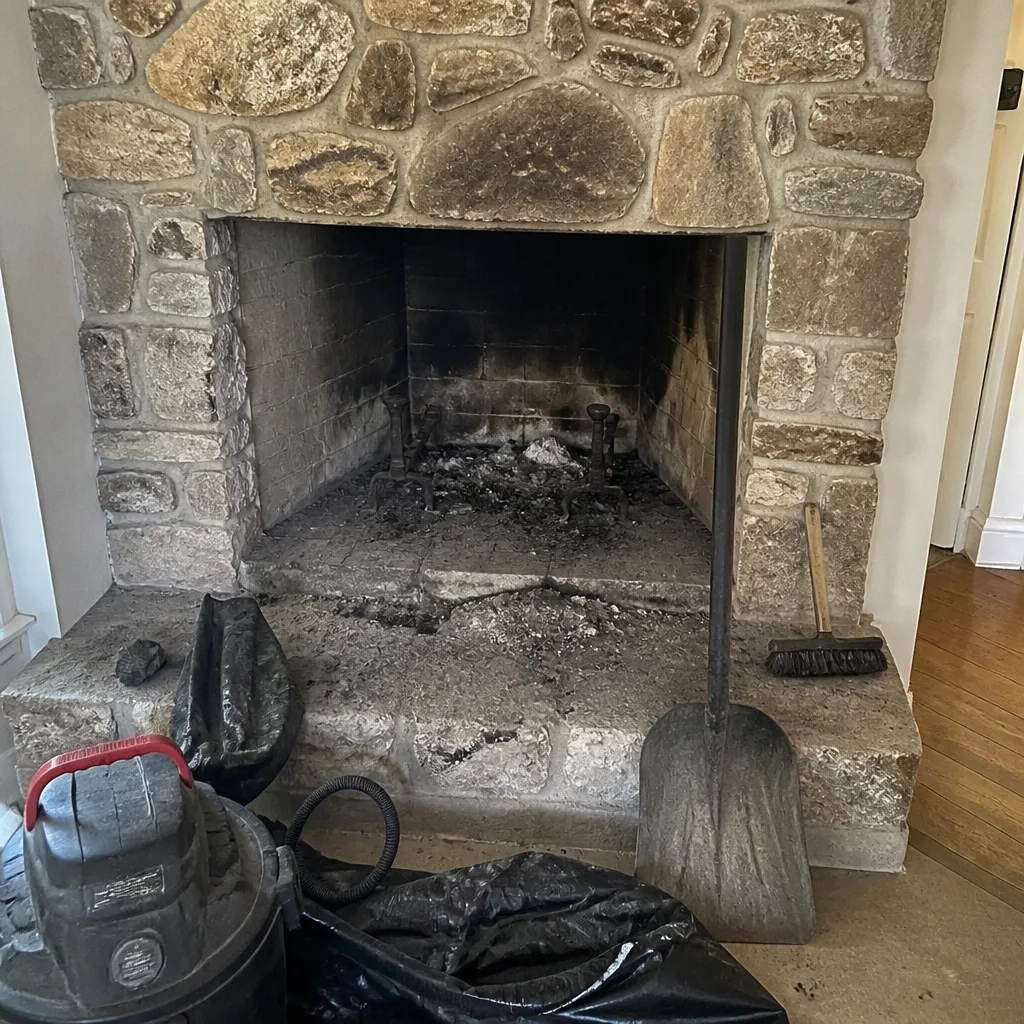 Before
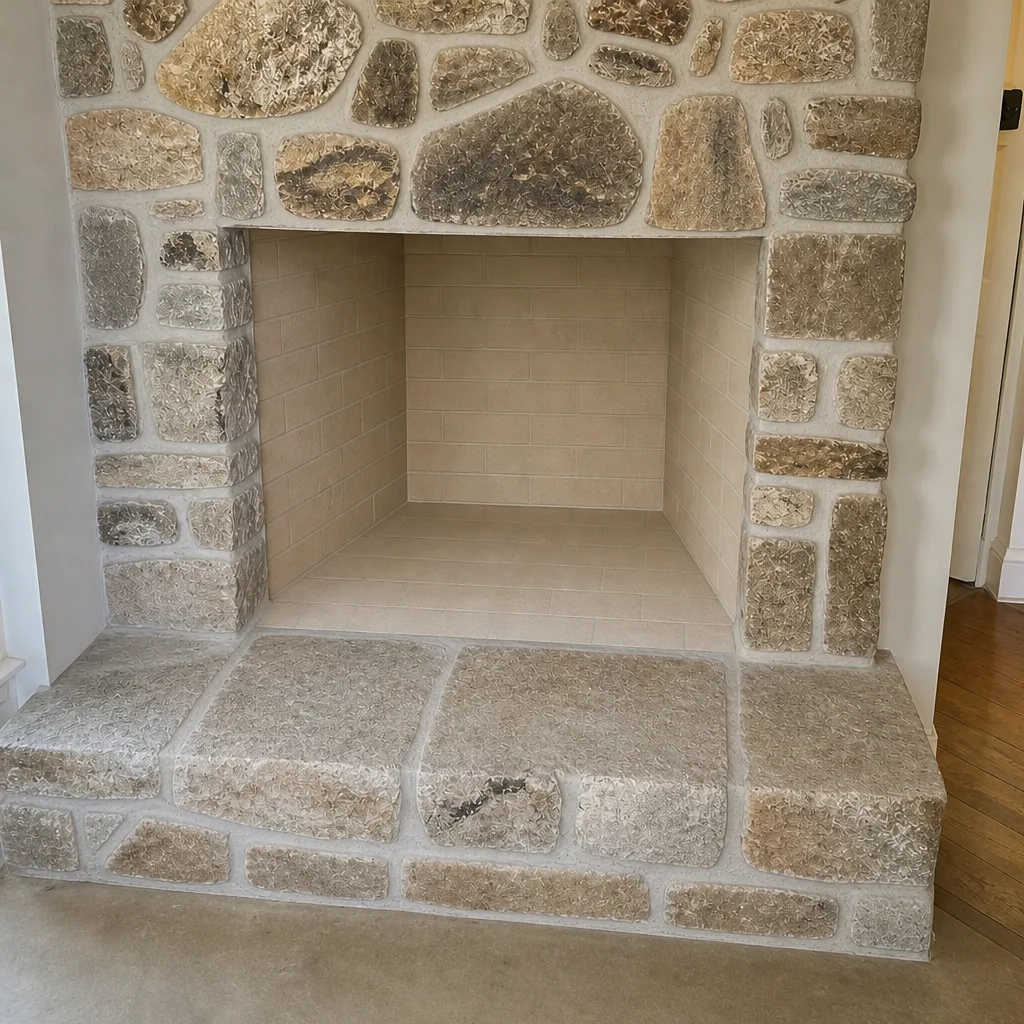 After
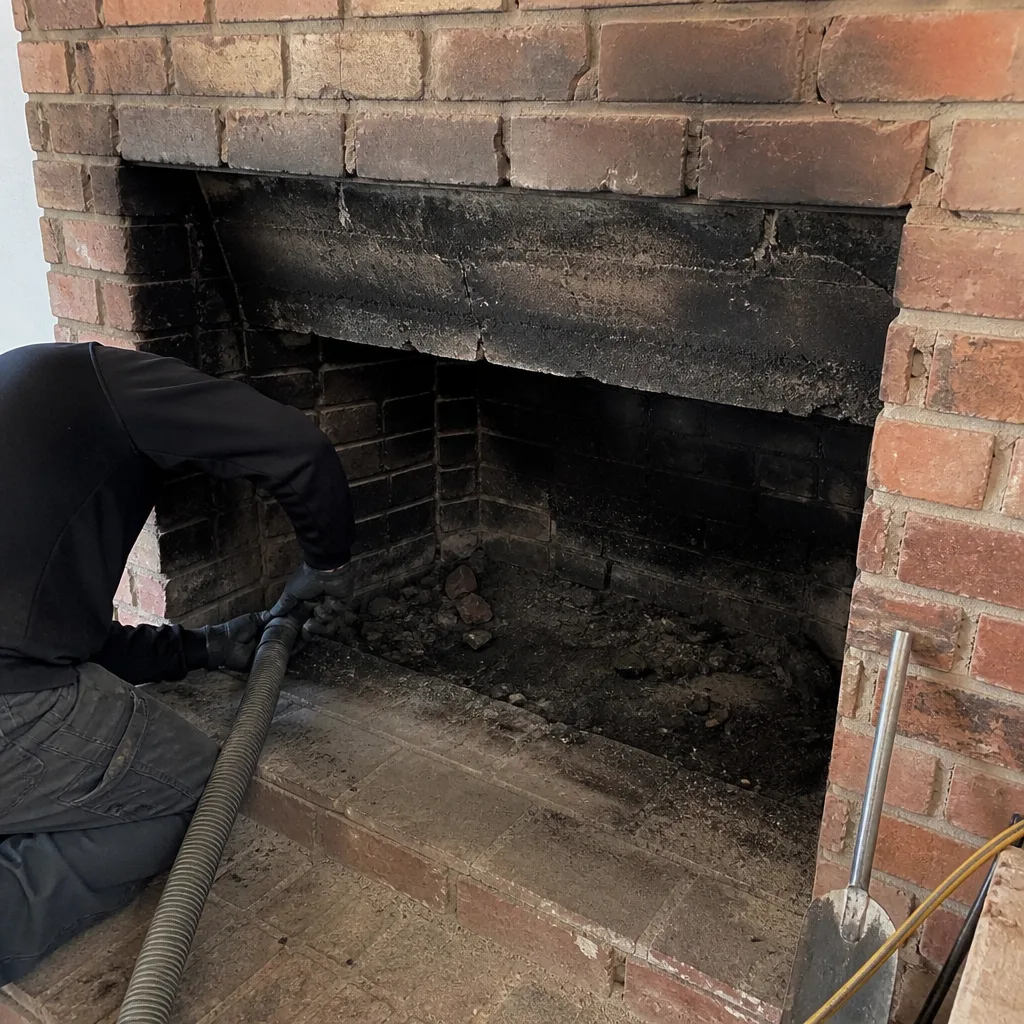 Before
 After
 Before
 After
When to Call a Professional
Call a specialist when the cap is loose or the screen is torn, when the crown shows cracks or spalling, when mortar joints are crumbling, or when the damper won’t seat. Call if you smell smoke in the room with the damper closed, if the firebox has open mortar joints, or if you’ve had a chimney fire. A camera inspection is the right call any time the liner’s history is unknown, and after any wind event that leaves debris on the roof. Chimney Sweep Peralta Hills offers free estimates in Peralta Hills. Call (877) 492-2418. We answer 24/7. Fast dispatch from 7am to 7pm, Sunday through Friday.
Frequently Asked Questions
Once a year is the standard, timed to the pre-season visit so the flue is clean before the first fire. Homes that burn heavily or use softer wood may need a second sweep mid-season. The checklist above is designed around that annual rhythm.
You can do the visual items: cap and screen from the ground, damper operation, firebox walls, and the visible creosote line. Roof work, camera inspection, and any repair need a trained technician. The line matters because roof work and flue work are where homeowners get hurt.
The crown. Most homeowners check the fireplace interior and never look at the concrete top that sheds water away from the masonry. On a hillside home in Peralta Hills, that’s the component that fails first.
Yes, if the flue hasn’t been checked with a camera. A sweep cleans the flue; an inspection confirms the liner is sound, the cap is seated, and nothing has deteriorated since the last visit. We provide inspections as a standalone service for exactly this reason.
Run the mid-season spot check: look at the cap and screen, check for debris against the stack, note any new crown cracks, check the firebox for wind-blown debris, and smell for smoke with the fireplace idle. If anything looks wrong, book a sweep and inspection.
We install and work with DuraFlex, HeatShield, Gelco, Olympia Chimney, Famco, and Copperfield. HeatShield for liner resurfacing and DuraFlex for flexible stainless relining are the two we use most often for flue repairs.
The Bottom Line
A maintenance checklist is only useful if it reflects your actual chimney system. In Peralta Hills, that means starting at the top with the cap, crown, and mortar joints, then working down through the damper, smoke shelf, and firebox, and confirming the flue with a camera. Time the checklist to the local seasons, not a generic fall-spring cycle, and run a spot check after wind events. Know which items you can safely eyeball and which belong to a specialist. Book the pre-season sweep, and let the inspection tell you what actually needs repair. One call, one specialist, from the firebox to the crown.
Ready to put this checklist on the calendar? Call (877) 492-2418 for a free estimate. We answer 24/7. Fast dispatch from 7am to 7pm, Sunday through Friday.
Written by the team at Chimney Sweep Peralta Hills.