
Last updated November 25, 2026
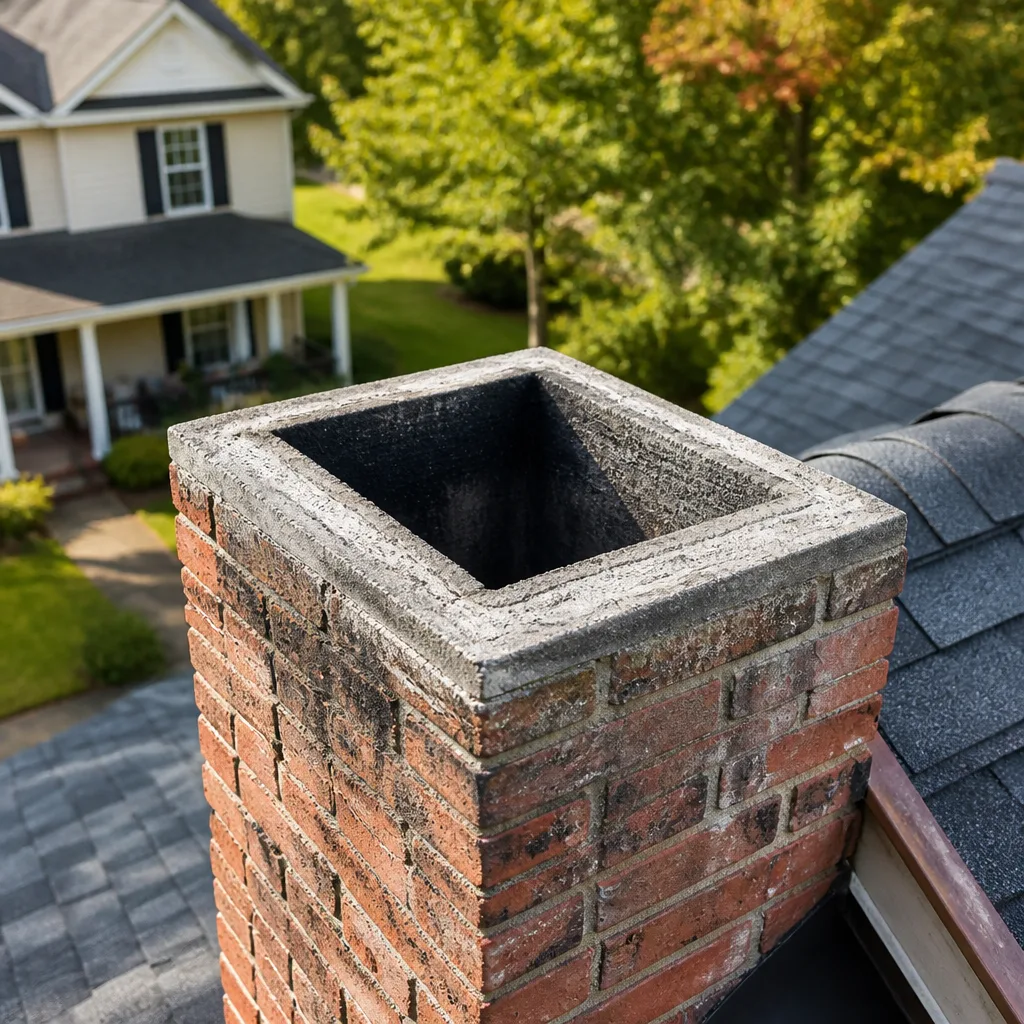 Sweep & inspection
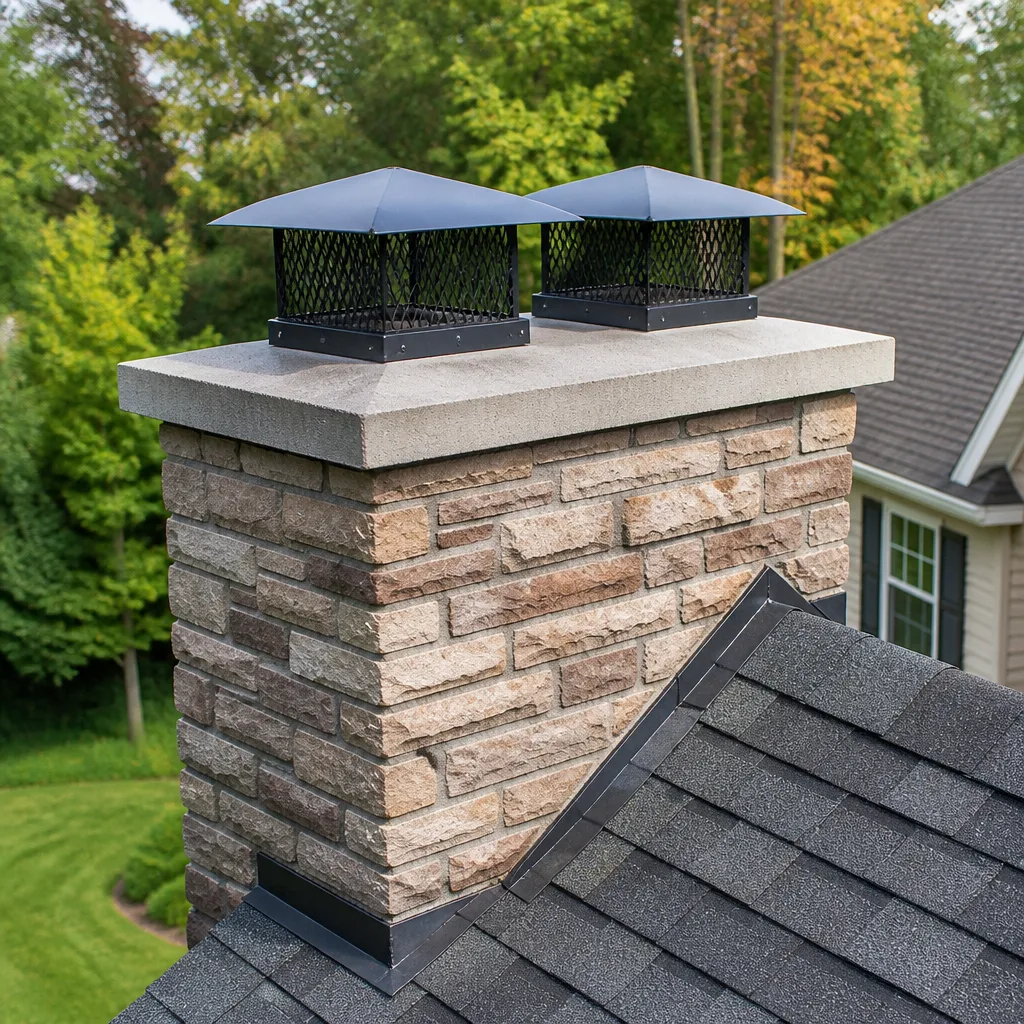 Caps & crowns
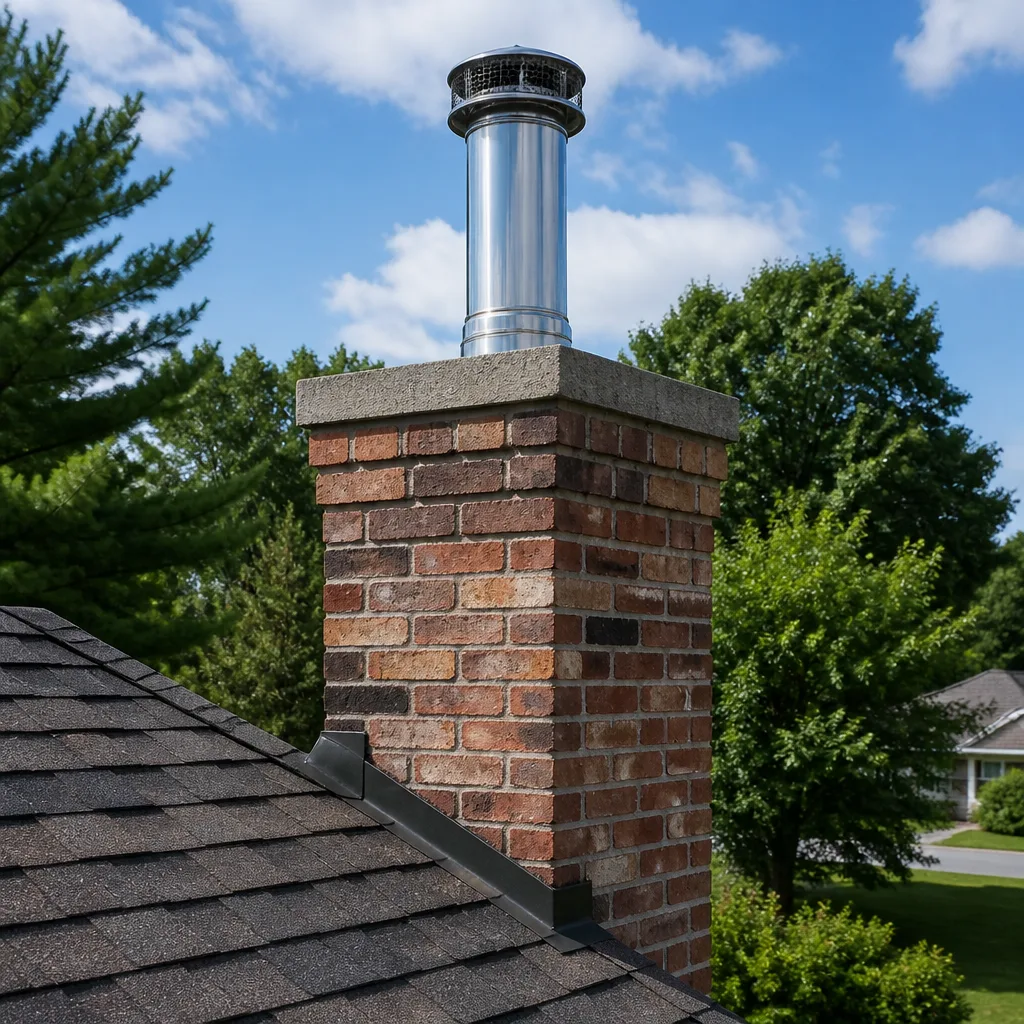 Flue relining
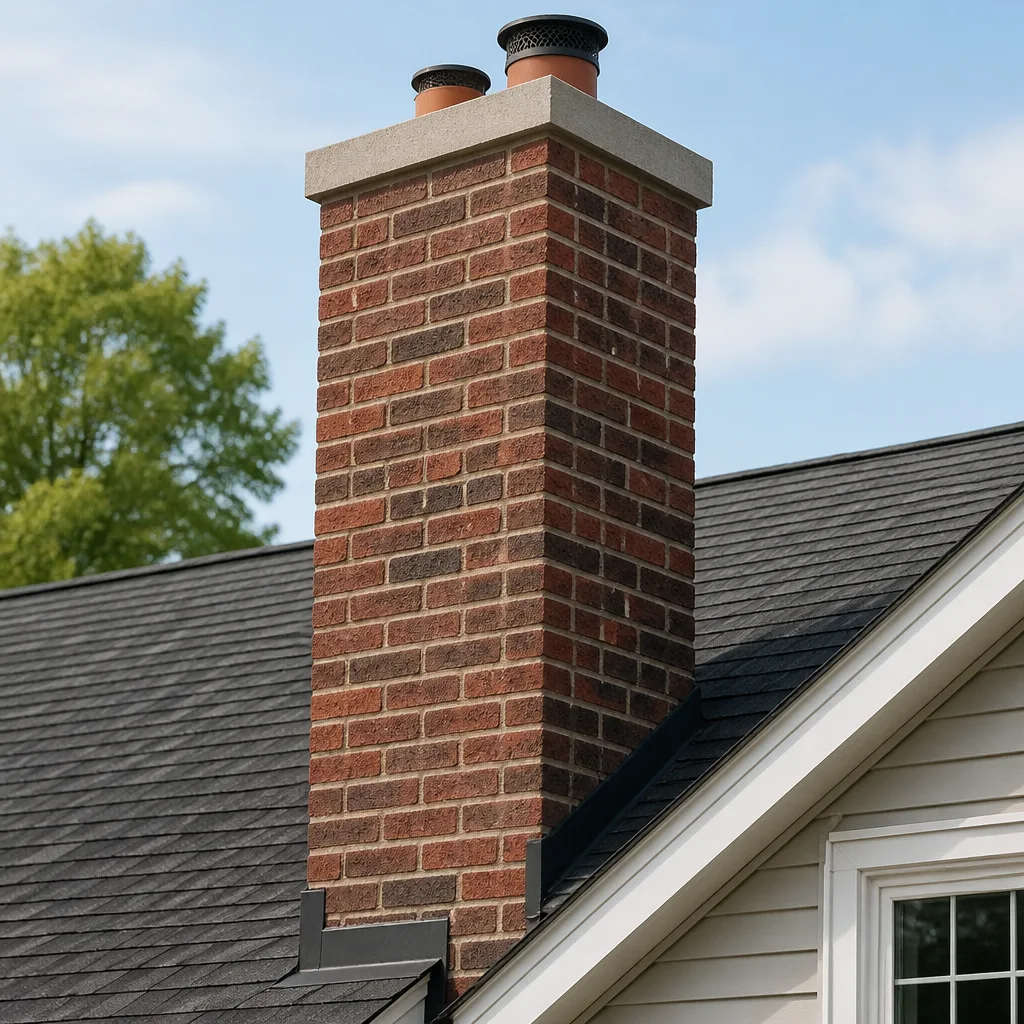 Masonry repair
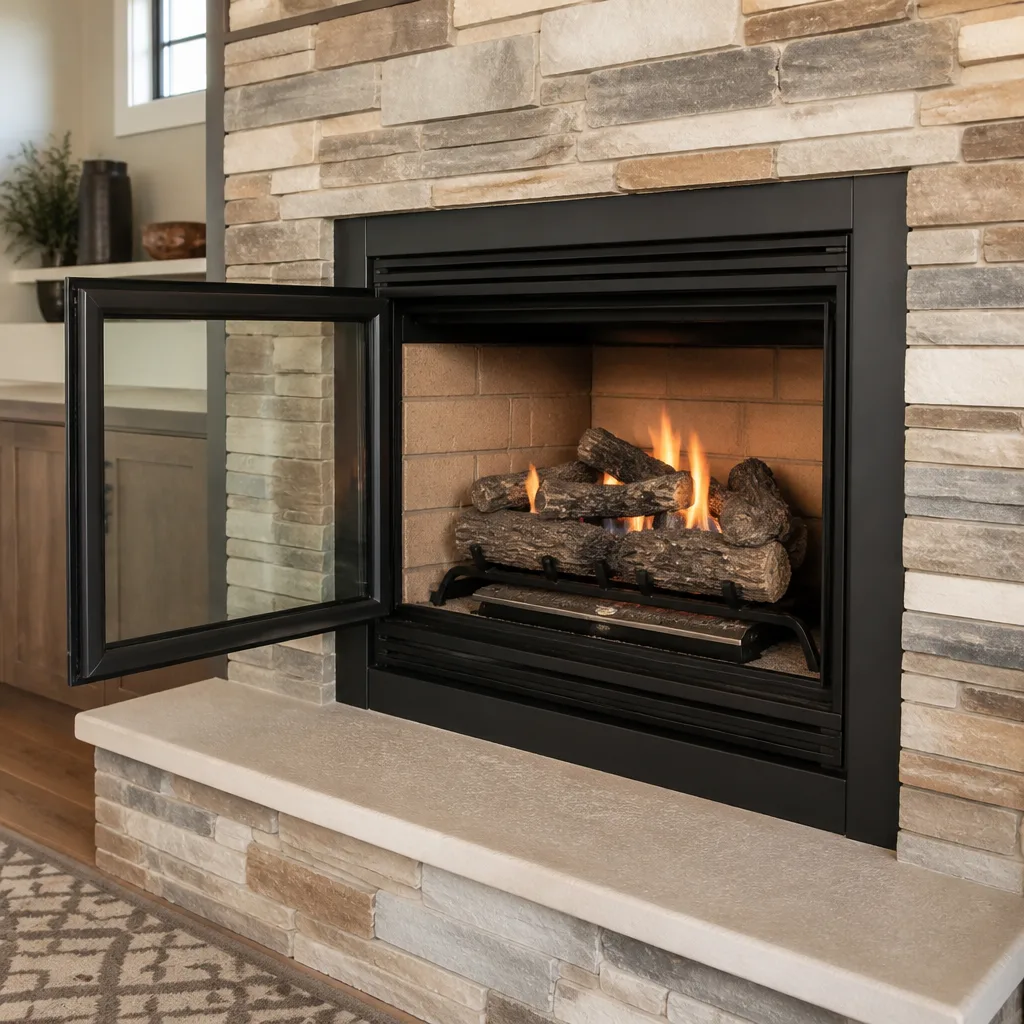 Gas fireplace service
Level 1 sweep and inspection to the NFPA 211 annual standard - flue, crown, cap, and flashing checked and photographed
Chimney sweep logs do not sweep chimneys. They loosen some creosote - which then falls where a brush and vacuum still have to collect it.
Seasonal Chimney Cleaning Care for Peralta Hills: Year-Round Homeowner’s Guide
Most chimney care advice you’ll find online was written for places with real winters. Clean the flue in fall, light the fire in November, sweep again in spring. That calendar assumes months of freezing weather and a long dormant season, and it doesn’t fit Peralta Hills. Here, the chimney’s hardest stretch often arrives in October, when dry Santa Ana winds push debris and grit against caps and screens weeks before anyone lights a fire. Then comes peak burning, then spring moisture, then a long warm dormancy that invites pests and heat stress into an unused flue. Four distinct stress periods, not four textbook seasons.
This guide maps chimney care to the conditions a Peralta Hills home actually faces. You’ll learn what to check and when, how to size your cleaning schedule to the wood you burn, and what to leave to a trained technician.
Quick Answer
Chimney care in Peralta Hills works best on four seasonal checkpoints rather than one annual cleaning: clear debris and inspect cap and screen in September and October before fire season winds, monitor creosote through the active burning months, do a full cleaning and moisture inspection in March and April before spring rains, and protect the unused flue through summer dormancy. How often you actually need a sweep depends on how much cord wood you burn, not on a fixed date on the calendar.
Styles & brands we work with
- Sweep & inspection
- Caps & crowns
- Flue relining
- Masonry repair
- Gas fireplace service
Table of Contents
- Why National Seasonal Chimney Templates Miss the Mark in Peralta Hills
- Pre-Fire-Season Care: September and October
- The Active Use Period: November Through February
- Post-Season Cleaning and Moisture Inspection: March and April
- Summer Dormancy: Protecting an Unused Flue
- Sizing Your Cleaning Schedule to the Wood You Burn
- What a Professional Seasonal Sweep Actually Involves
- Common Mistakes to Avoid
- When to Call a Professional
- Frequently Asked Questions
- The Bottom Line
Why National Seasonal Chimney Templates Miss the Mark in Peralta Hills
Chimney deterioration is driven by three things: what burns inside the flue, what hits the outside of the structure, and how long the system sits idle. In cold-climate advice, the emphasis lands heavily on freeze damage and long idle months. In Peralta Hills, the pressures are different.
Wind exposure matters more here than most guides admit. The dry, gusty periods that arrive in fall push grit, leaf litter, and fine debris against caps and spark screens. A cap that’s slightly loose or a screen that’s torn lets that material straight into the flue, where it can block the draft or land on the smoke shelf. That’s a pre-season problem, and it shows up before the first fire.
Then there’s dormancy. A flue that sits unused through a warm, dry summer is a quiet invitation for birds, squirrels, and insects looking for shelter. Nesting material inside a flue is flammable, and it restricts the draft when you finally do light a fire in the fall. Heat stress on the exterior masonry is another dormancy issue: an uncapped or poorly crowned chimney takes sun exposure directly on the crown and flue tile, and small cracks open up over a season or two.
And moisture, when it comes, comes fast. Spring rain against a crown with a hairline crack is how water gets into the chimney structure in the first place. That water migrates into masonry, rusts a damper assembly, and degrades mortar joints from the inside out.
None of this means national advice is wrong. It means it needs to be re-timed. Treating a Peralta Hills chimney like a Midwest chimney means you’re checking the wrong things at the wrong moments. A cap inspected in November has already taken the fall wind load. A crown checked in summer has already taken the spring rain.
We’ve watched this pattern play out in our work around Peralta Hills: the homes that hold up best are the ones where someone walked the roofline and looked at the cap and crown at the right point in the year, not the ones where a sweep happened once and the rest was assumed. Our technicians have up to 14 years of experience, and the single most common finding is a system that was cleaned but never checked above the flue.
Pre-Fire-Season Care: September and October
September and October are the highest-value weeks on the Peralta Hills chimney calendar, and they have nothing to do with lighting a fire. This is the window to clear what the dry season left behind and to check the parts of the system that take the wind load before the burning months begin.
The order matters. Here’s how to work through a pre-fire-season check:
- Clear the cap and screen. Look for leaf litter, twigs, bird nests, and grit packed against the spark screen. A blocked screen reduces draft and, if the material is dry, becomes fuel sitting directly above the flue.
- Check the cap for movement. A cap that rocks or sits loose after a windy stretch can be lifted off in the next gust, which opens the flue to rain and animals.
- Inspect the crown from the ground with binoculars if you can’t access the roof safely. Look for visible cracks, crumbling edges, or moss. Any crack wider than a hairline warrants a professional look.
- Look at the roofline and flashing. Check where the chimney meets the roof for lifted flashing or gaps.
- Clear debris from the firebox and smoke shelf. Ash and soot left from last season reduce draft and add to creosote load on the first fire.
- Test the damper. Open and close it fully. A damper that sticks or won’t seal is worth addressing before you burn, not after.
If the cap is damaged, this is the moment to replace it. We install chimney cap & crown protection in-house because a cap that’s fitted correctly closes the gap between cleaning and weatherproofing. Caps we work with include Olympia Chimney and Gelco models, which is a detail that matters: a cap sized wrong for the flue is nearly as bad as no cap, since it can restrict draft or leave a gap at the edge.
A word of caution on this stage. Anything that involves climbing onto the roof, working near a flue opening, or reaching into the firebox above the damper carries real fall and injury risk. Check what you can see safely from the ground and leave the roof work to a trained technician.
The Active Use Period: November Through February
Once the fires start, your job shifts from inspection to monitoring. The main risk during peak use is creosote, the tarry residue that condenses on the inside of the flue as smoke cools. Creosote builds faster with certain burn habits, and it’s the primary fuel source in a chimney fire. That’s not a scare tactic; it’s the reason sweep frequency is tied to burn volume rather than a fixed date.
Three things accelerate creosote accumulation:
- Burning unseasoned or “green” wood. Wet wood produces more smoke and less heat, and that smoke is what condenses on the flue walls.
- Burning softwoods heavily. Softwoods like pine and fir burn hot and fast but produce more creosote per cord than dense hardwoods.
- Smoldering fires. A fire that’s choked down to burn slowly and last all evening sends more unburned material up the flue. A hotter, cleaner fire is better for the chimney.
During active use, watch for the signals that the system needs attention before the season ends. A strong, acrid smell when the fireplace isn’t in use points to creosote or draft issues. Smoke rolling back into the room rather than going up the flue is a draft problem. A fire that’s hard to start and smoky to maintain usually means restricted airflow somewhere in the system.
Ash management is part of active-use care too. A thin layer of ash on the firebox floor actually helps insulate the fire, but a deep bed of ash restricts airflow and strains the grate. Empty the ash when it starts to crowd the firebox, and put it in a metal container well away from anything combustible; ash can stay hot for a long time after the fire looks dead.
For homes in Peralta Hills that burn through the cooler months, a mid-season check of the firebox, damper, and grate is worth doing. Firebox cracks and loose grate bars are easier to address before they get worse. That’s where fireplace repair work comes in; a firebox that’s developed a crack needs a proper repair, not a patch, because heat and gases can reach the structure behind it.
Post-Season Cleaning and Moisture Inspection: March and April
The post-season window is the most underused one on the Peralta Hills calendar. Once the burning stops, most homeowners close the damper and move on. But March and April are when a full cleaning and moisture inspection do the most good, because they happen before spring rains have a chance to find the cracks.
A post-season service should cover more than a brush down the flue. Here’s what a complete check includes:
- A full flue cleaning. Creosote and soot from the entire burning season is removed so it doesn’t sit on the flue walls through the warm months.
- A crown inspection. The crown is the concrete or masonry cap at the top of the chimney that sheds water. Hairline cracks, crumbling edges, and gaps where the crown meets the flue tile are the main entry points for water.
- A mortar joint check. Mortar between the bricks erodes over time. A joint that’s receded enough lets water in behind the brick face.
- A flue liner inspection. This is the part most people can’t see and most worry about. A liner that’s cracked, spalled, or deteriorated lets heat and gases reach the chimney structure and the house.
- A cap and screen recheck. After the winter, look again for loosened caps, torn screens, or animal activity.
- A firebox and damper assessment. Confirm the damper seals and the firebox has no new cracks.
If the liner shows deterioration, we use chimney sweep findings as the starting point and then move to repair-grade solutions. HeatShield is a resurfacing system we apply to restore a deteriorating flue liner without full replacement, which is a repair-tier capability that sweep-only services don’t offer. Where the liner needs a full reline, DuraFlex flexible stainless systems handle the installation. The distinction matters because the right repair depends on what’s actually inside the flue, and that’s learned from a camera inspection, not from a guess.
Crown repairs are also common this time of year. We install and repair crowns with products from Famco and other professional brands, sealing small cracks before they widen into a structural issue. Small masonry repairs are much less involved than rebuilding a chimney top, and catching them at the post-season stage is the whole point of doing the inspection now.
Summer Dormancy: Protecting an Unused Flue
Summer is the quiet season for the chimney, and that’s exactly why it’s the season when unattended problems develop. An unused flue is a shelter: birds, squirrels, and insects all look for a dark, protected cavity. Droppings, nesting material, and dead insects inside the flue create a draft restriction and, when they’re dry, a fire risk on the first burn of the next season.
Here’s what to do during summer dormancy:
- Keep the damper closed. A closed damper slows animal entry and reduces the chimney’s exposure to humid air from inside the house.
- Confirm the cap and screen are intact. The screen is the primary barrier against animal intrusion. Any tear or gap should be fixed before fall.
- Watch the exterior for staining. Dark streaks or white efflorescence on the outside of the chimney can indicate water movement through the masonry or the crown.
- Don’t burn paper, trash, or “test fires” during the off-season. A quick summer fire is how creosote ends up in a flue that’s been sitting all season with whatever debris found its way in. If you want to keep the flue conditioned, a small, clean, well-seasoned fire is a better choice than a cardboard burn.
- Keep vegetation clear of the chimney top. Branches that overhang the cap trap debris and can scratch or lift a cap in windy weather.
What not to do during dormancy is just as important. Don’t tape over the flue opening as a “pest guard”; that traps moisture and creates a fire hazard. Don’t seal a chimney from the firebox side. And don’t skip the summer check on the assumption that a chimney that isn’t in use can’t be getting damaged. Sun exposure on an uncrowned chimney top and wind-driven debris are both year-round factors in Peralta Hills.
The summer dormancy window is also a practical time to schedule a full inspection if you’re a new homeowner. Knowing what’s inside the flue before you light the first fire is the whole purpose of an inspection, and doing it while nothing is burning is the easiest time to sort out any findings. Options we use for caps and screens include Olympia Chimney and Gelco systems, chosen to match the flue dimensions on the home.
Sizing Your Cleaning Schedule to the Wood You Burn
The most useful thing you can do for your chimney is to keep a simple burn log. Not because there’s a magic number of fires, but because your flue accumulates creosote in proportion to what you burn, and a record of that tells you when a sweep is actually due.
A practical burn log records four things:
- Cords of wood burned. Roughly, how much wood went through the fireplace over a season. A face cord or a fraction of a cord is enough of a unit for the purpose.
- Wood type and seasoning. Hardwood versus softwood, and whether the wood was well-seasoned or on the green side.
- Burn style. Frequent small hot fires versus long, slow, low-burning fires. The second builds creosote faster.
- Any smoke or draft observations. Backdrafts, smoky starts, strong smells from the firebox.
From that log, a reasonable cleaning rhythm takes shape. A light-use household that burns a small amount of well-seasoned hardwood once or twice a month during the cooler months will likely need an annual cleaning. A heavier-use household, burning multiple cords of mixed wood with some softwood included, likely needs a cleaning more than once a season, and possibly a mid-season check. The point is to let your actual burn volume decide the schedule, not the calendar.
A sweep is worth scheduling whenever the log shows a heavy season, whenever you notice smoke or draft changes, and as part of the post-season full service. If you’re not sure where your household falls, that’s an easy conversation to have with a specialist. A sweep and inspection can tell you what creosote load is actually in the flue, and that’s the only real measure. Chimney Sweep Peralta Hills handles the sweep, the inspection, and the repairs that come out of it; the point of a single-specialist relationship is that findings don’t get handed off to a third party.
What a Professional Seasonal Sweep Actually Involves
Knowing what to expect from a professional visit helps you judge whether the visit was thorough. A seasonal sweep isn’t just a brush on a rod; it’s a sequence that moves from the firebox to the top of the chimney and back down, checking each part of the system as it goes.
A complete seasonal sweep typically covers:
- Firebox and damper inspection. The technician clears ash, checks the firebox for cracks, and confirms the damper seals fully.
- Smoke shelf and smoke chamber. Debris that collects on the smoke shelf restricts draft. It’s cleared.
- Flue cleaning with the appropriate brush. The brush size and material match the flue type, so the liner isn’t damaged in the process.
- Crown, cap, and screen inspection from the top of the chimney. This is where most findings actually surface.
- Exterior and flashing check. Where the chimney meets the roof line and how the masonry above is holding up.
- A written report with photographs. The findings are documented so you can see what the technician saw.
The cap and crown work is where we lean on specific brands. Olympia Chimney and Gelco caps and Famco crown products are recognizable, professional-grade materials, and the reason we use them is traceability: if a cap needs a replacement part or a crown needs a matching repair material, the product is identifiable. It also means the repair work isn’t a generic patch job. We use HeatShield and DuraFlex for liner work because those are the systems built for the specific resurfacing and relining jobs where their use is appropriate.
Full repair capability is the other half of “one call, one specialist.” Chimney sweep, inspection, cap and crown installation, fireplace repair, and structural chimney repair all come from the same company, which means the sweep finding a cracked crown doesn’t turn into a referral to a contractor who may not be available until spring.
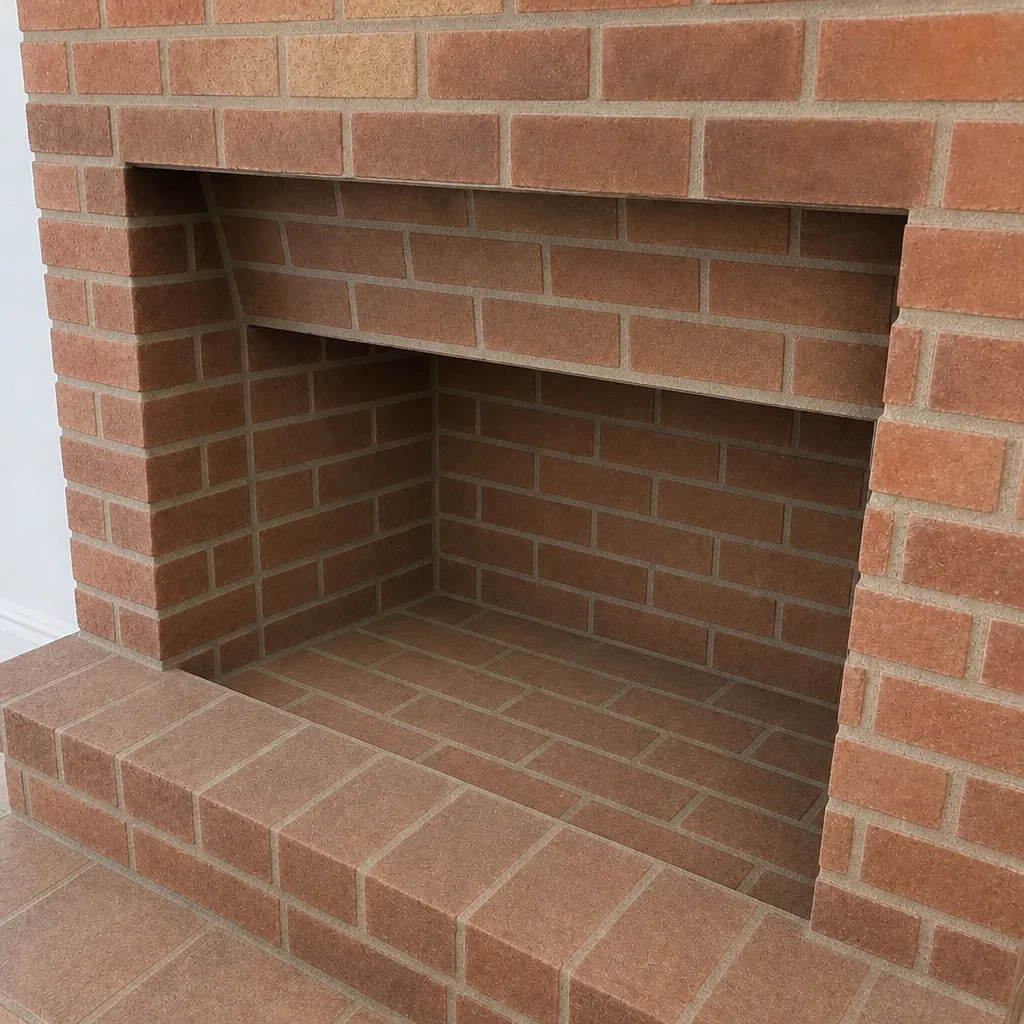
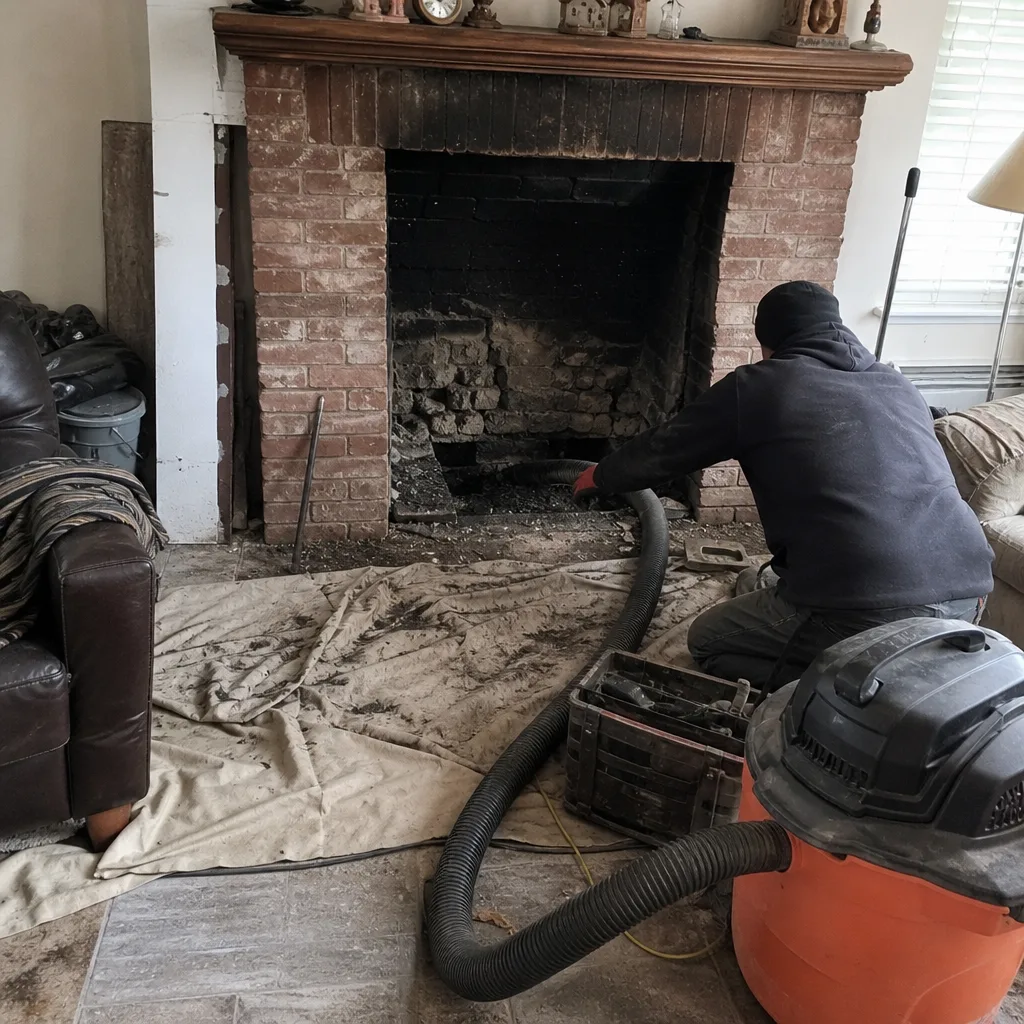
See the difference
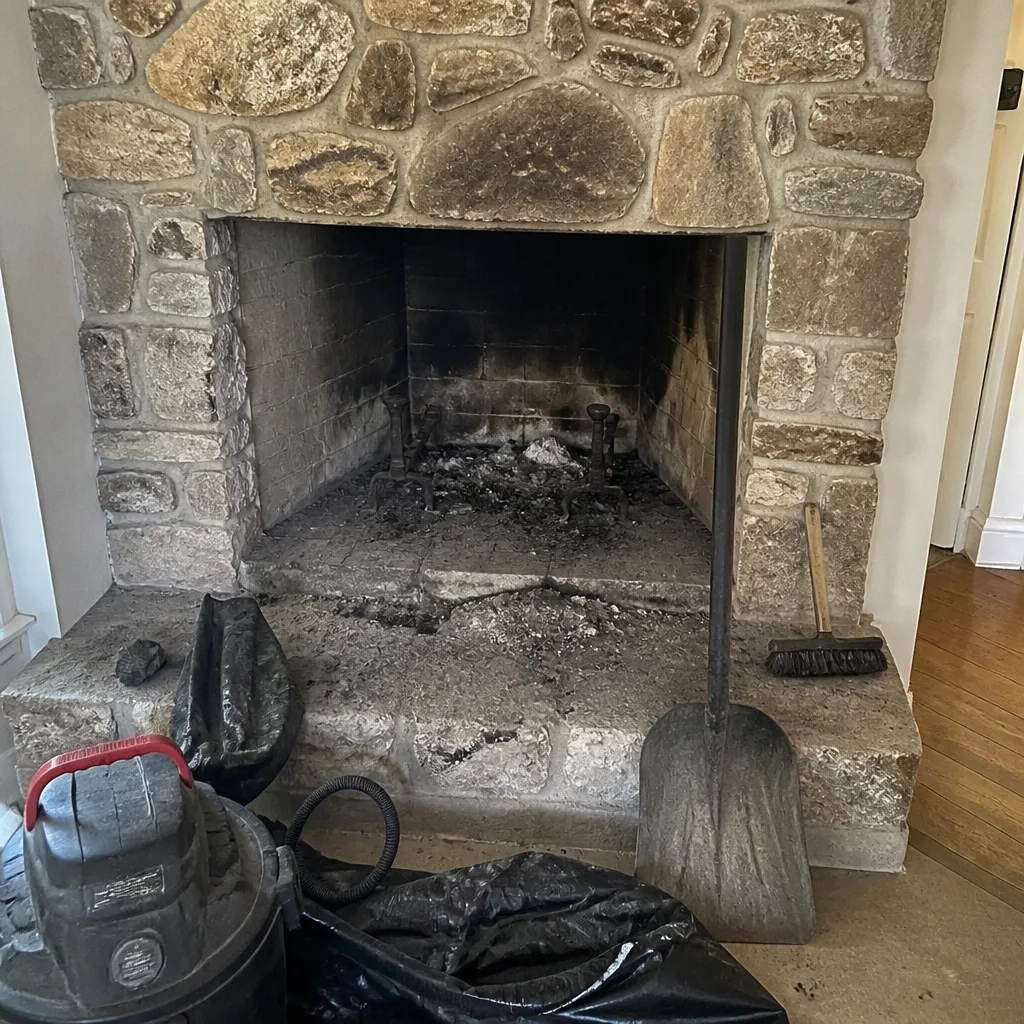 Before
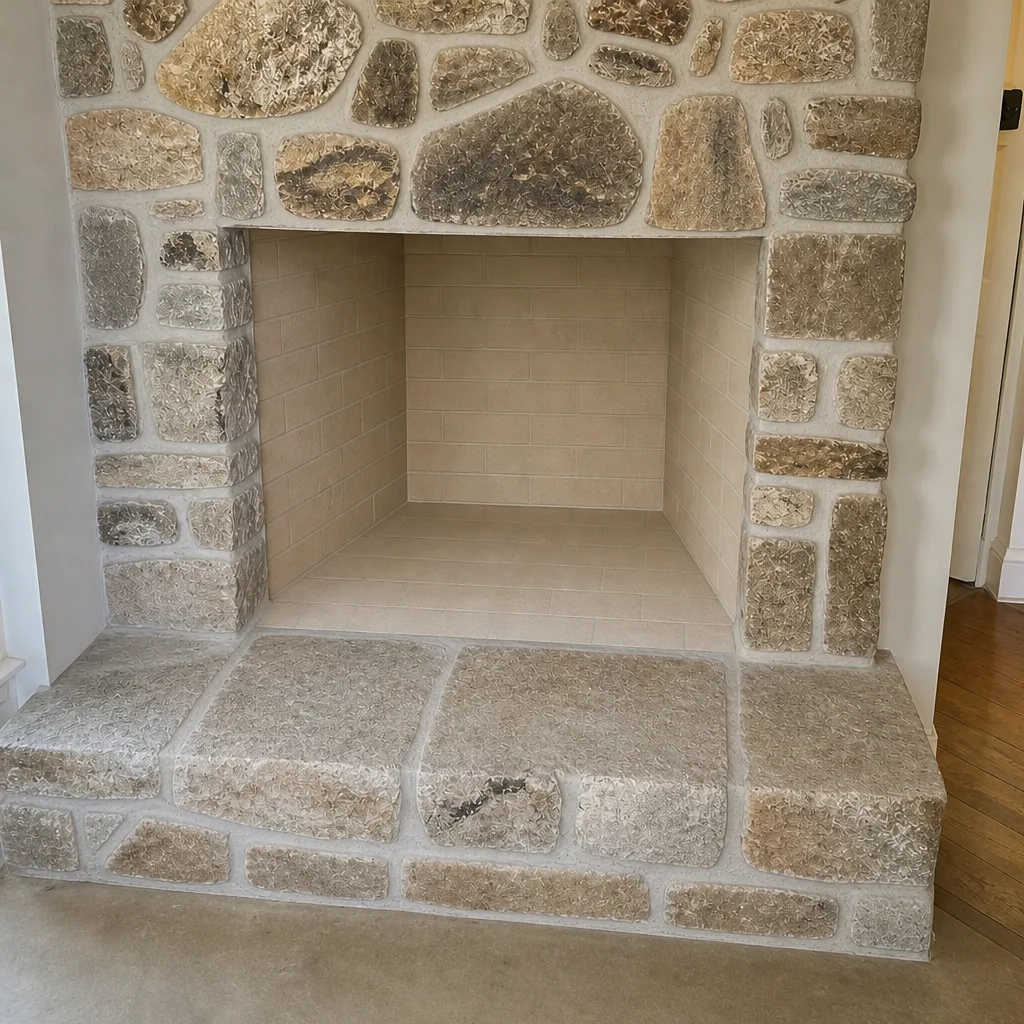 After
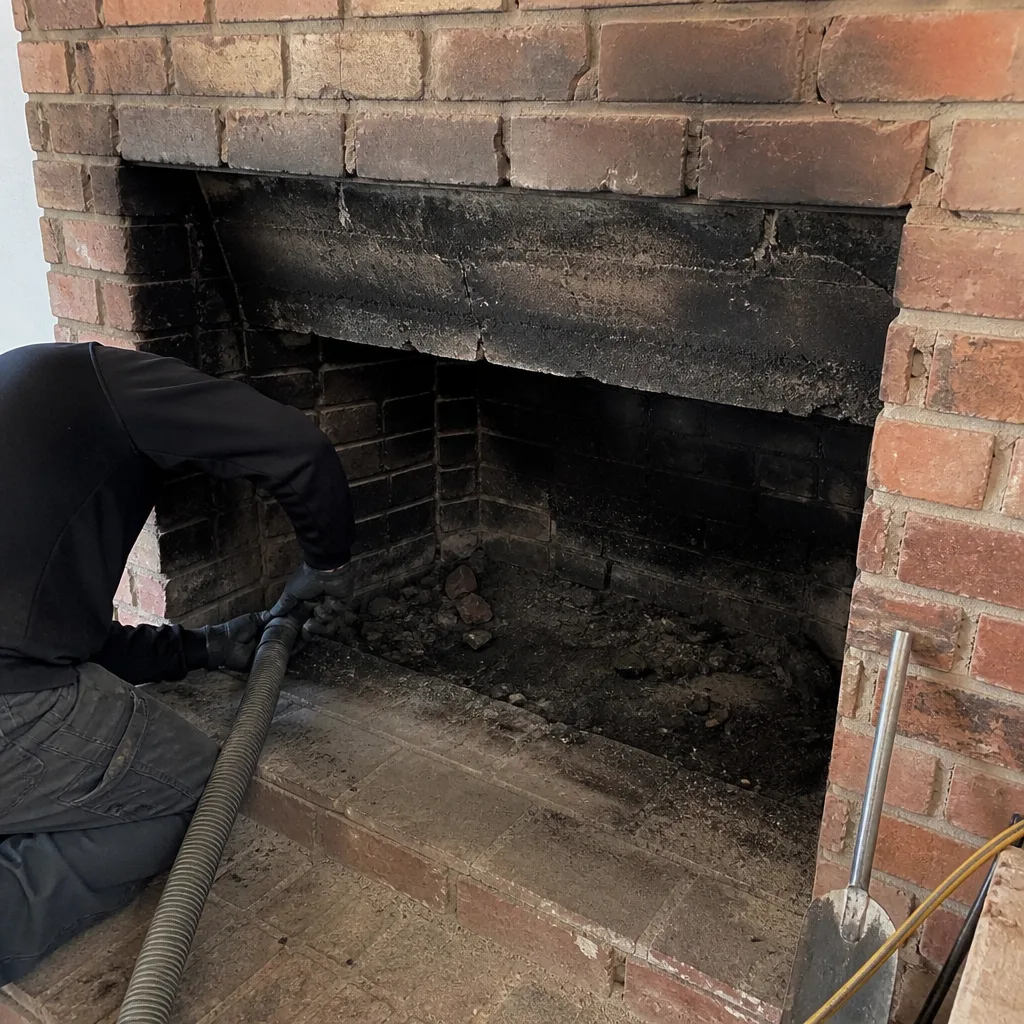 Before
 After
 Before
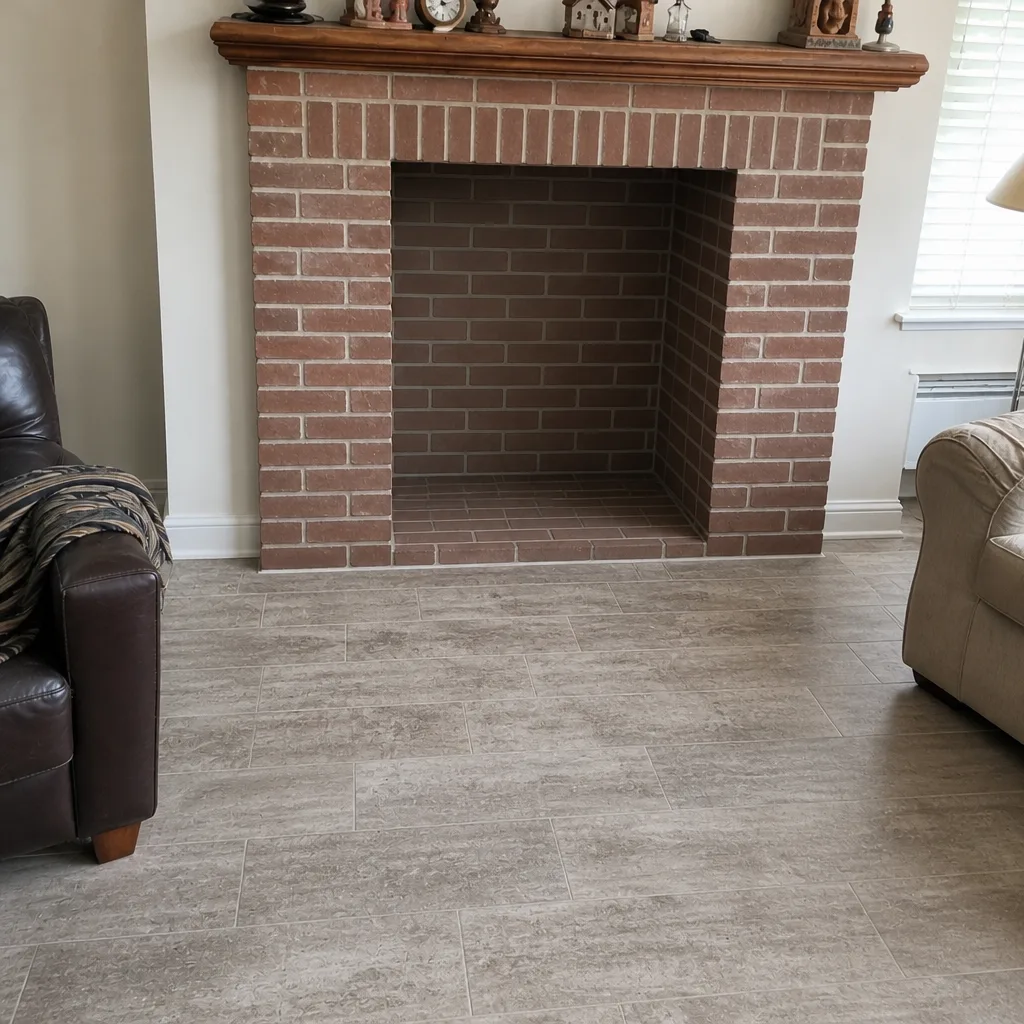 After
Common Mistakes to Avoid
- Treating the fall as the only chimney checkpoint. In Peralta Hills, the wind and debris load peaks in September and October, before burning begins. A November cap inspection is already too late for the fall stress period.
- Assuming a sweep is the same as an inspection. A sweep cleans the flue; an inspection examines the crown, cap, flashing, liner, and masonry. The two work together, and a sweep without an inspection can miss a crown crack that’s been letting water in for two seasons.
- Burning unseasoned wood because it’s what’s available. Wet wood produces more smoke and accelerates creosote buildup. The single easiest improvement to a chimney’s long-term health is burning well-seasoned wood.
- Skipping the summer dormancy check. Animal intrusion and wind-blown debris both happen during the off-season, and both create problems on the first fire of the next season. A spring and early-summer look at the cap and screen is the cheapest protection you can give the system.
- Patching a crown crack with whatever’s on the shelf. A crown crack is a water problem; patching it with sealant that doesn’t adhere to masonry is a temporary fix that can hide a bigger issue. Crown repairs are usually worth doing with proper materials from a brand that matches the existing crown.
- Doing roof work yourself. Climbing onto a sloped roof to check a cap is a fall risk. Binoculars from the ground tell you most of what you need to know before a professional arrives.
- Not recording your burn volume. The household that works from a burn log has a real basis for a cleaning schedule; the household working from memory schedules either too often or not often enough.
When to Call a Professional
Some chimney conditions should trigger a call right away. A damaged liner, a cap that’s visibly loose or missing, a crack you can see in the crown, smoke that comes back into the room when a fire is lit, or a strong acrid smell from the firebox that persists between burns all warrant a look. Call before the fire season opens, too, if you’re a new homeowner and don’t yet know the system’s condition. A chimney that hasn’t been inspected in more than a year is worth inspecting regardless of use.
Chimney Sweep Peralta Hills offers free estimates in Peralta Hills. Call (877) 492-2418. We answer 24/7. Fast dispatch from 7am to 7pm, Sunday through Friday. We’re closed Saturday. Our technicians have up to 14 years of experience, and we handle inspections, sweeps, cap and crown work, and repairs from the firebox to the crown.
Frequently Asked Questions
Most homes in Peralta Hills need a cleaning once a year, but the right answer depends on burn volume. A household that burns a small amount of well-seasoned hardwood through the cooler months usually does fine with an annual full cleaning and inspection. A household that burns multiple cords or relies heavily on softwood typically needs a cleaning more than once a season, with a mid-season check of the firebox and cap. A burn log is the practical way to decide. Call (877) 492-2418 for an exact quote and a free estimate.
Seasonal care is more than a sweep. It includes a pre-fire-season check of cap, screen, crown, and flashing; creosote monitoring during the active burn months; a full post-season cleaning with a moisture inspection of the crown, mortar joints, and liner; and summer protection against animal intrusion and debris. Each of those stages targets a different local condition, and skipping one usually shows up as a repair cost later. Call (877) 492-2418 for an exact quote and a free estimate.
Not necessarily. Many liners that look concerning need resurfacing rather than replacement. HeatShield is a resurfacing system we apply for a deteriorating flue liner, and it restores the liner without a full replacement in appropriate cases. A camera inspection determines whether the liner needs resurfacing, a full reline with a DuraFlex flexible stainless system, or nothing at all. That decision should come from what’s visible in the flue, not from a general impression. Call (877) 492-2418 for an exact quote and a free estimate.
You can clear the firebox and ash from the firebox floor safely. What you shouldn’t do is climb onto the roof to access the chimney top, or work inside the flue above the damper without the proper tools. Roof access carries fall risk, and a brush the wrong size can damage the liner. A professional sweep with a camera inspection does the job in a fraction of the time and reaches parts of the system you can’t safely see. Call (877) 492-2418 for an exact quote and a free estimate.
Skipping a season rarely causes an immediate problem, but it does allow several small ones to compound. Creosote that would have been removed in the post-season cleaning stays on the flue walls and accumulates faster next season. A crown crack that would have been a small repair gets wider with rain. Animal nesting material from the summer sits in the flue until it’s discovered. None of those are dramatic on their own, but together they’re what shortens a chimney’s life. Call (877) 492-2418 for an exact quote and a free estimate.
Yes, ideally before the first fire. A damaged or missing cap leaves the flue open to rain, debris, and animal entry, and a loose cap can shift further in the next windy stretch. Cap replacement is straightforward when it’s done before the burning season, and it’s usually quicker than waiting for an issue to develop. We install Olympia Chimney and Gelco caps sized to the flue. Call (877) 492-2418 for an exact quote and a free estimate.
The Bottom Line
The four-point seasonal structure is the practical answer for a Peralta Hills chimney: pre-fire-season debris and cap check in September and October, creosote monitoring through the active burn months, a full cleaning and moisture inspection in March and April, and summer dormancy protection against pest intrusion and heat stress. Each of those stages addresses a specific local pressure that national seasonal templates miss. The one adjustment that gives the most control is the burn log: track your cords of wood, wood type, and burn style, and your cleaning schedule will be based on what’s actually inside the flue rather than a guess. If you’d rather have a specialist look at the system this season, we’re a call away.
Get a Free Chimney Estimate in Peralta Hills
Chimney Sweep Peralta Hills handles sweeps, inspections, cap and crown installation, fireplace repair, and structural chimney repair, and works with professional brands including HeatShield, DuraFlex, Gelco, Olympia Chimney, Famco, and Copperfield. Call (877) 492-2418 for a free estimate. We answer 24/7. Fast dispatch from 7am to 7pm, Sunday through Friday. We’re closed Saturday.
Written by the team at Chimney Sweep Peralta Hills.