
Last updated November 25, 2026
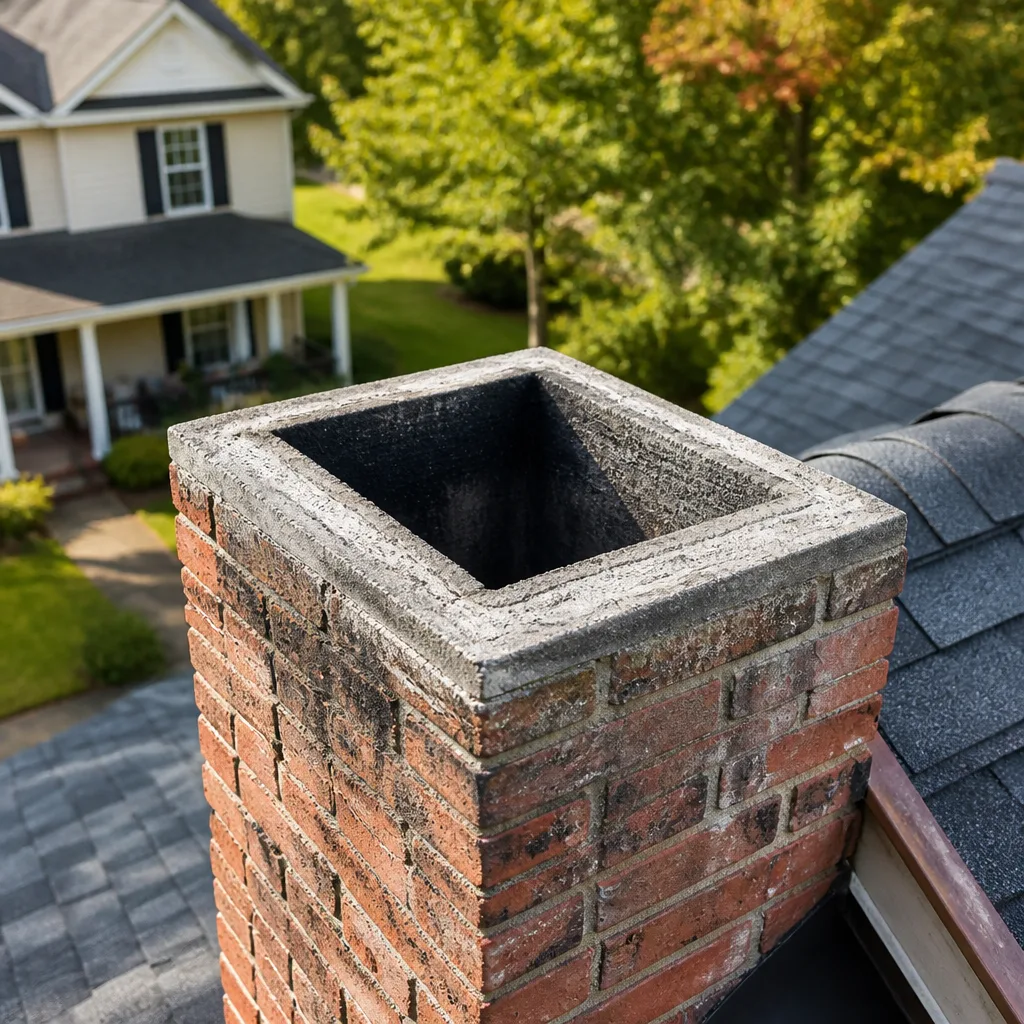 Sweep & inspection
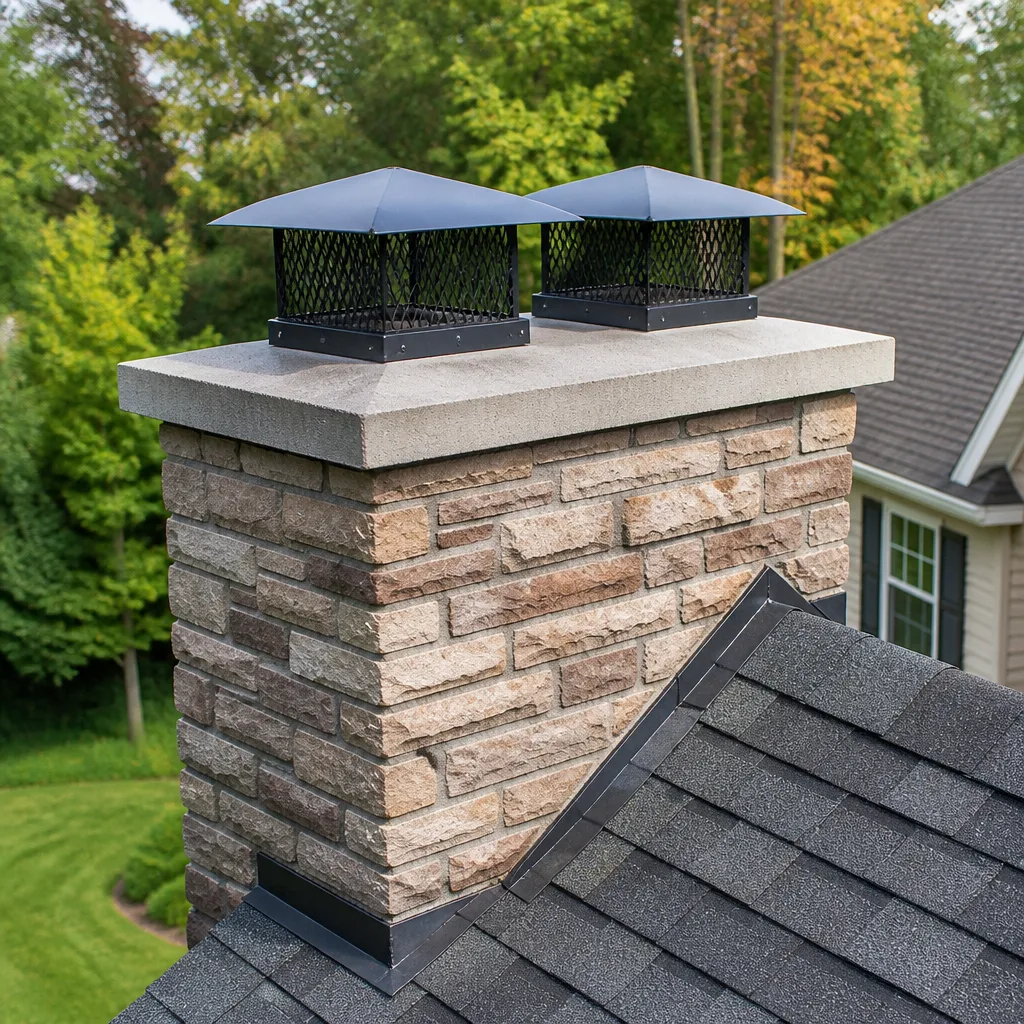 Caps & crowns
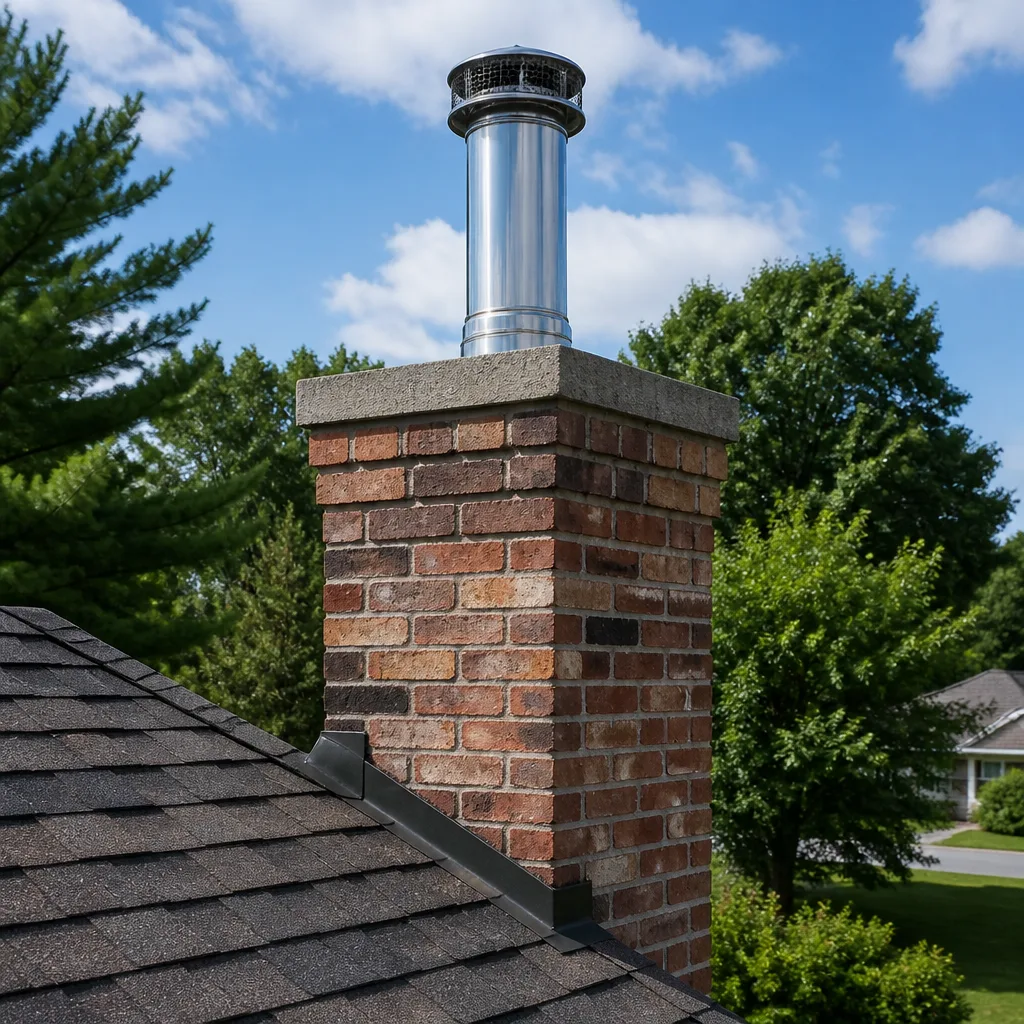 Flue relining
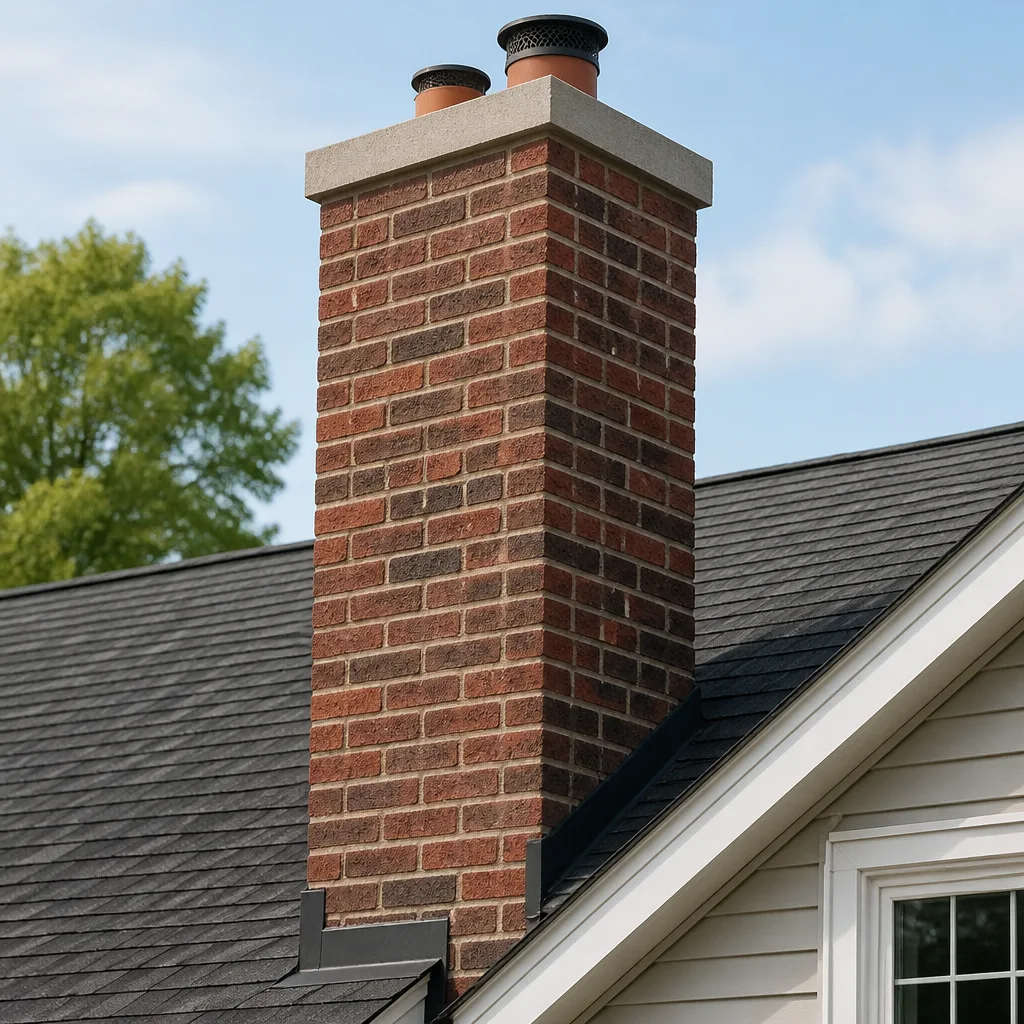 Masonry repair
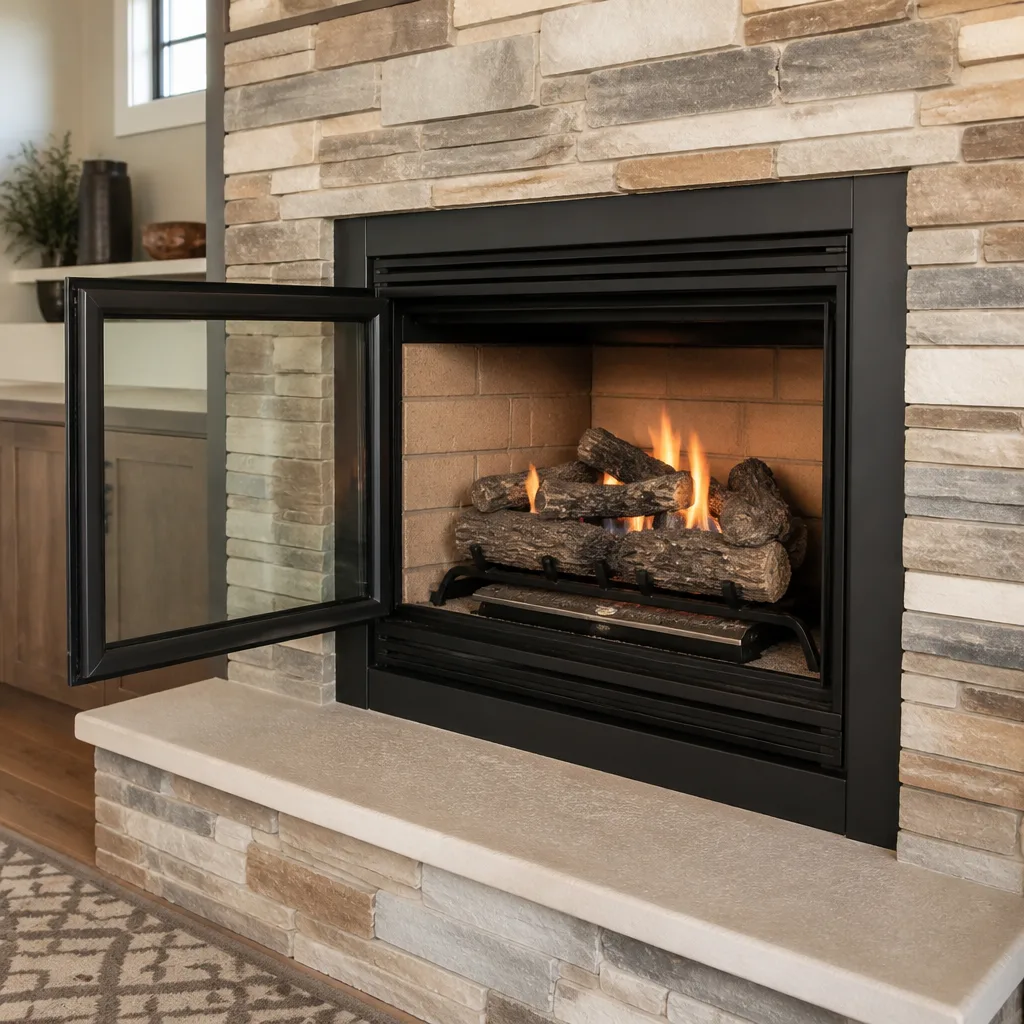 Gas fireplace service
Level 1 sweep and inspection to the NFPA 211 annual standard - flue, crown, cap, and flashing checked and photographed
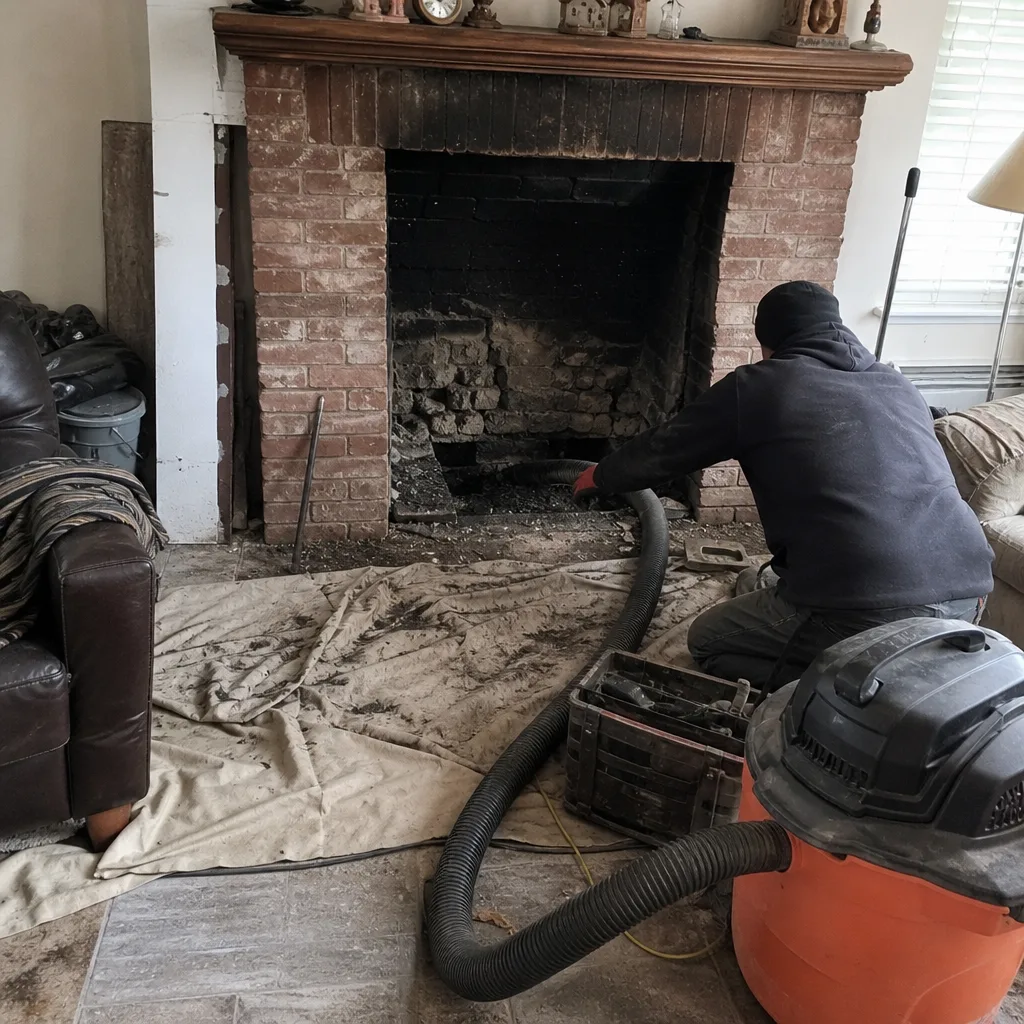
Chimney sweep logs do not sweep chimneys. They loosen some creosote - which then falls where a brush and vacuum still have to collect it.
Chimney Cleaning Warning Signs: A Peralta Hills Homeowner’s Reference Guide
A smoky smell in the room on a windy day isn’t always a draft problem. Sometimes it’s the first indication of a cracked flue tile that’s been leaking combustion gases into the chase for months. That gap between what a chimney is telling you and what you think it’s telling you is where most expensive repairs begin. In this guide, we walk through the warning signs Peralta Hills homeowners most often misread: the smells, the stains, the performance quirks, and the exterior clues. For each one, we explain what’s likely causing it and how urgently you should act. By the end, you’ll know which signals to monitor and which mean stop using the fireplace now.
Quick Answer
Chimney warning signs fall into four groups: smells (creosote, backdraft, animal intrusion, moisture), interior visuals (spalling, efflorescence, rust), exterior visuals (cracked crown, failing mortar, staining below the cap), and performance (slow-starting fires, smoke spillage, weak draw). Cosmetic-looking signals like a cracked crown or white staining are often early structural problems, while smoke spillage and a strong creosote smell usually mean stop burning until the flue is inspected. When in doubt, a professional inspection gives you a definitive answer instead of a guess.
Styles & brands we work with
- Sweep & inspection
- Caps & crowns
- Flue relining
- Masonry repair
- Gas fireplace service
Table of Contents
- Smell Signals: Reading What Your Chimney Is Telling You
- Interior Visual Signals: What the Firebox Reveals
- Exterior Visual Signals: Crown, Mortar, and Staining
- Performance Signals: When the Fire Won’t Draw
- The Urgency Scale: Monitor vs. Stop Burning Now
- A Seasonal Checklist for Peralta Hills Homes
- Inspection Levels and What Each One Catches
- Common Mistakes to Avoid
Smell Signals: Reading What Your Chimney Is Telling You
Smell is the most reliable early warning system a chimney has, and the most misread. Homeowners in Peralta Hills often describe a “smoky” or “musty” smell in the room and assume it’s a draft issue or the weather. In our experience, the specific scent usually points to a specific cause, and matching the two correctly saves a lot of guesswork.
Here’s how to tell them apart:
- Creosote odor. A sharp, tarry, campfire-like smell that lingers even when the fireplace is cold. This is the smell of creosote buildup inside the flue. A little is normal between sweeps; a strong smell that fills the room when the fire is off usually means the deposit layer is thick enough to warrant a sweep.
- Backdraft and smoke spillage. A puff of smoke into the room when you first light a fire, or when the wind picks up outside. This is a pressure and flow problem, not a cleaning problem. It can come from a blocked flue, an undersized flue for the firebox, or a negative pressure issue in the house.
- Animal intrusion. A rank, ammonia-like or urine odor from the firebox, especially after a cold snap. Birds, squirrels, and raccoons will climb into an uncapped flue. A missing or damaged cap is often the reason.
- Moisture and mold. A damp, earthy, musty smell. This one is the most misunderstood. It isn’t the smell of smoke; it’s the smell of water sitting in the masonry or the smoke chamber, often feeding mold growth behind the firebox.
If you can’t place the smell, that’s your cue to have someone knowledgeable look. A quick assessment from a specialist is faster than a season of guessing, and it lets you rule out a cracked flue tile before you light the next fire. This is exactly the kind of symptom-versus-cause pairing our chimney sweep visits are built around.
Interior Visual Signals: What the Firebox Reveals
What you see inside the firebox when the fire is cold tells you a lot about moisture and heat exposure. Three signs are worth knowing by name because they each point to a different problem:
Spalling
Spalling is masonry that has flaked, peeled, or crumbled off the surface. On a firebox wall, it usually means the brick or mortar has been saturated and then heated repeatedly. Water gets in, the freeze of a cold night (rare here) or the heat of the fire forces it to expand, and the surface breaks away. Left alone, spalling works its way deeper into the wall.
Efflorescence
Efflorescence is the chalky white staining you sometimes see on firebrick or mortar joints. It’s salt pushed to the surface by water moving through the masonry. It looks cosmetic. It isn’t. Efflorescence is a footprint that tells you moisture is traveling through the chimney structure, and the longer it travels, the more it damages.
Rust on the Damper
Rust on the damper, the firebox grate, or the metal components inside the firebox is direct evidence of water contact. A damper that’s hard to open, squeaks, or has visible rust stains means water is reaching the firebox. It’s often paired with a musty smell and is one of the signs we look hardest at during a fireplace repair visit.
Any of these three interior signals is worth a professional inspection. None of them get better with more fires.
Exterior Visual Signals: Crown, Mortar, and Staining
Walk outside and look up at the chimney. Three quarters of the structural problems we find in Peralta Hills homes are visible from the ground before anyone climbs the roof.
- Cracked crown. The crown is the concrete cap on top of the chimney, and it’s supposed to shed water away from the masonry. A hairline crack lets water into the top of the chimney every time it rains. From there it works down through the brick, which is why crown cracks are almost always the beginning of a longer repair list. Crown work belongs to the same visit as a sweep, and our chimney cap & crown service closes that gap.
- Mortar joint deterioration. Look at the mortar lines between the bricks. If the mortar is soft, recessed, or crumbly, water is already doing damage. You can test this gently with a key or a fingernail. If the mortar powders when you press it, it’s failing.
- Staining below the cap. Dark streaks below the cap are usually creosote that’s condensed on the outside of the masonry, which means the flue is leaking or drawing poorly. White streaks are efflorescence, and they point to moisture entry from above.
- A missing or damaged cap. A cap that’s rusted through, blown off, or missing altogether is an open invitation to rain, birds, and squirrels. A cap replacement isn’t a big job, but waiting matters.
Whatever the specific signal, the pattern is the same: water gets in at the top, and damage travels down. That’s why exterior visual checks matter as much as what you see inside.
Performance Signals: When the Fire Won’t Draw
A fire that used to light easily and now fights you is telling you something structural changed. In our experience, these performance signals are the ones homeowners most often blame on the wood or the weather, when the real cause is inside the flue.
- Slow-starting fires. If kindling that used to catch in a minute now takes several tries, the flue isn’t pulling air the way it should. Common causes include a partial flue blockage, excessive creosote, or a liner that’s deteriorated enough to change the flue’s effective size.
- Smoke spillage. Smoke rolling out of the firebox into the room instead of up the chimney. This is the most serious of the performance signals because it means combustion gases are entering your living space, not leaving it.
- Difficulty maintaining draw. The fire burns well for a few minutes and then dies down. Sometimes the fire needs more air; sometimes the flue is undersized, blocked, or compromised.
- Soot patterns on the firebox walls. Asymmetric soot patterns, or soot concentrated on one side, can indicate a flue that isn’t uniform or a firebox that’s out of square with the flue.
When performance signals show up, the next step isn’t to try harder – it’s to have the flue inspected with a camera. A camera inspection lets you see what’s actually inside the flue rather than guessing. We use DuraFlex liner systems and HeatShield resurfacing when a repair is needed, but only after the inspection justifies it.
The Urgency Scale: Monitor vs. Stop Burning Now
Not every warning sign is urgent. Some are genuine but slow-moving, and some mean the fireplace shouldn’t be used at all until a professional has looked at it. Here’s how we sort them:
Tier 1: Monitor and Schedule
- Efflorescence on the firebox walls, with no other symptoms.
- Mild creosote odor between fires.
- A crown crack you can see from the ground, with no interior symptoms.
- Mortar joint softening you can detect but that isn’t deep.
These warrant a scheduled visit. They don’t mean don’t use the fireplace, but they do mean don’t wait until next season.
Tier 2: Inspect Before Your Next Fire
- Rust on the damper or firebox metal.
- Recurring musty smell or mold in the firebox.
- A visible animal intrusion (birds, squirrels, evidence of nesting).
- Soot patterns inconsistent with a normal fire.
- A damaged or missing cap.
Here, the fireplace should stay cold until the cause is confirmed.
Tier 3: Stop Burning Now
- Smoke spilling into the room during a fire.
- A strong, recurring smell of gas or combustion byproducts in the room.
- Visible damage to the flue liner itself, or cracks in the flue tiles.
- Spalling that’s clearly deepening, or a firebox wall that’s failing.
Tier 3 signals mean a professional should look before the next fire. Carbon monoxide is the reason. A blocked or cracked flue can push combustion gases into the living space instead of up and out, and that’s a health risk, not a nuisance. It’s not scare-tactics to say so; it’s the reason we push camera inspection when signals line up.
A Seasonal Checklist for Peralta Hills Homes
Peralta Hills winters are mild, which makes the chimney season longer than many homeowners expect. Flues still see regular use from autumn through early spring, and the mild, then warmer weather pattern tends to keep moisture moving through masonry for more of the year. That moisture is what drives most of the damage we find.
- Look up before your first fire. Before the season starts, walk outside and check the crown, cap, and mortar from the ground. Binoculars help.
- Open the firebox and look inside. Cold firebox only. Check for rust, white chalky staining, spalling, and the condition of the damper.
- Smell the room when the fireplace is cold. A musty, creosote, or ammonia smell for more than a day or two is worth writing down so you can describe it accurately.
- Check the cap before autumn. A cap costs less than a liner repair and prevents animals and rain from entering the flue. It’s the single lowest-effort protectant on the chimney.
- Book the annual sweep before the first cold snap. The goal is to know what’s inside the flue before you light the first fire of the season. Get the sweep done while the weather is warm, not when everyone else remembers they have a fireplace.
- Have the inspection done at the same visit. A sweep without an inspection is half the picture. Ask for both.
Inspection Levels and What Each One Catches
Not every inspection is the same. The trade standard describes three levels, aligned with the expectations in NFPA 211, and knowing which one you’re getting matters for what the inspection can and can’t tell you.
- Level 1: A visual inspection of readily accessible portions of the chimney, firebox, and flue, combined with a sweep. This is the annual inspection for a chimney with no changes in use, no known issues, and no new appliance.
- Level 2: Everything in Level 1 plus a camera inspection of the flue’s interior. This is what you want for pre-sale, after a chimney fire, after a seismic or weather event, or when a warning sign suggests the interior needs a look.
- Level 3: Everything in Level 2 plus a more invasive look, when the first two levels find or suspect a hidden problem. It’s the rarest level and is only recommended when there’s a specific reason.
The right level depends on your situation. New homeowners, especially, often benefit from a Level 2 before using a fireplace that’s new to them – the goal is knowing what’s inside before lighting the first fire. Inspection is available as a standalone service, and we’re happy to explain which level fits your home. If the camera finds a deteriorating liner, HeatShield resurfacing is one option we work with when the liner can be restored without full replacement. When a full reline is needed, DuraFlex liner systems are the product family we install. For cap and crown work, Olympia Chimney and Gelco components are part of what we work with. Materials are chosen by the job, not bundled.
Common Mistakes to Avoid
- Burning through the warning signs. Many Peralta Hills homeowners keep lighting fires as long as the room doesn’t fill with smoke, which means a slow-starting fire or recurring creosote smell can go ignored for a full season. Both are early warning signs worth a scheduled inspection.
- Assuming the smell is the wood. Creosote, backdraft, animal intrusion, and moisture-mold each have a distinct scent. Treating every smell as “that’s just the wood we’re burning” delays the diagnosis.
- Skipping the crown. A hairline crown crack looks cosmetic. It isn’t. It’s the entry point for the water that ends up in the firebox months later.
- Replacing a damaged cap with a cheap generic. A cap that doesn’t fit the flue properly, or isn’t rated for the liner it covers, becomes a new problem in a season or two.
- Hiring a sweep-only service for a structural repair. A sweep who can clean but can’t diagnose and fix a liner, crown, or firebox issue leaves you hiring a second contractor. The problem usually sits between the two.
- Treating a pre-sale inspection as a box-tick. If you’re buying a home in Peralta Hills with a fireplace, insist on a camera inspection, not just a visual pass. What you don’t see at the inspection is what you inherit at closing.
- Waiting until the first cold snap to book. When the weather changes, the calendar fills up. A pre-season sweep and inspection gives you options. A same-week scramble usually doesn’t.
See the difference
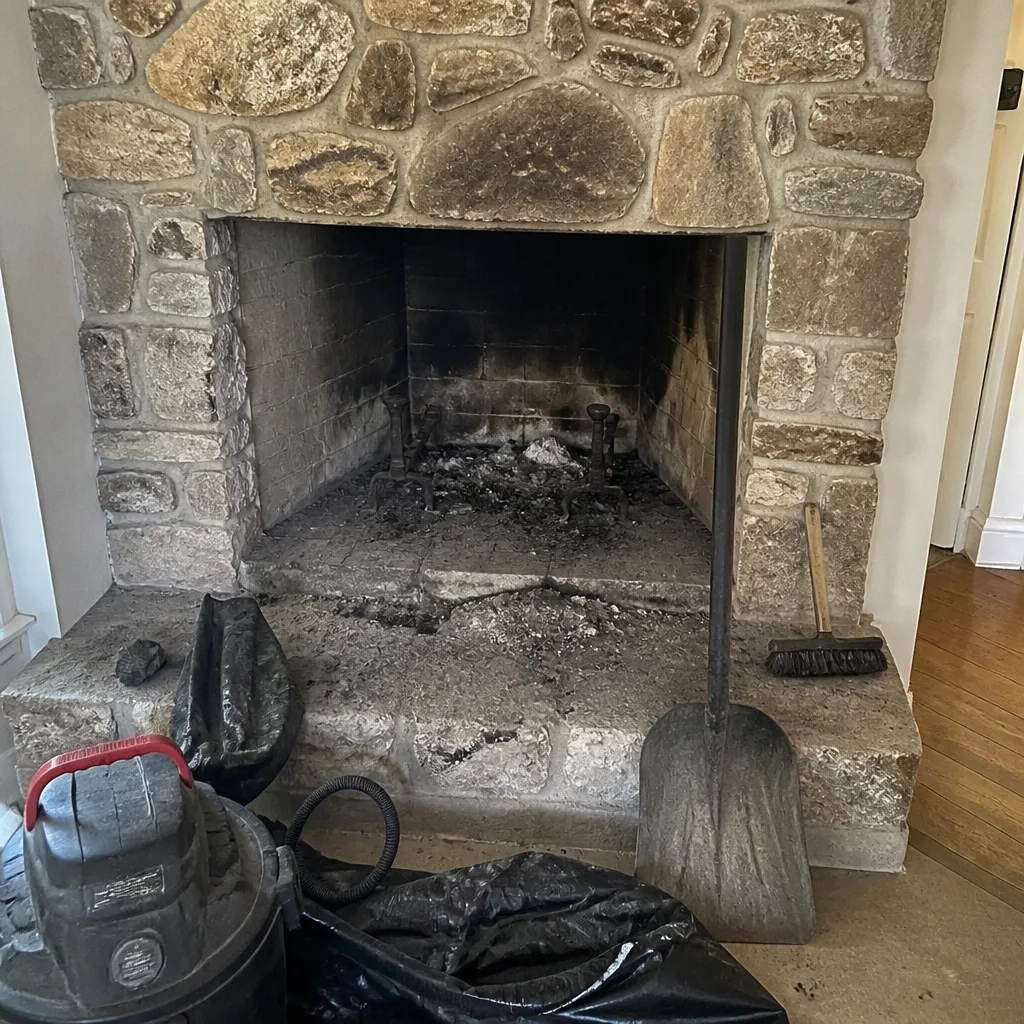 Before
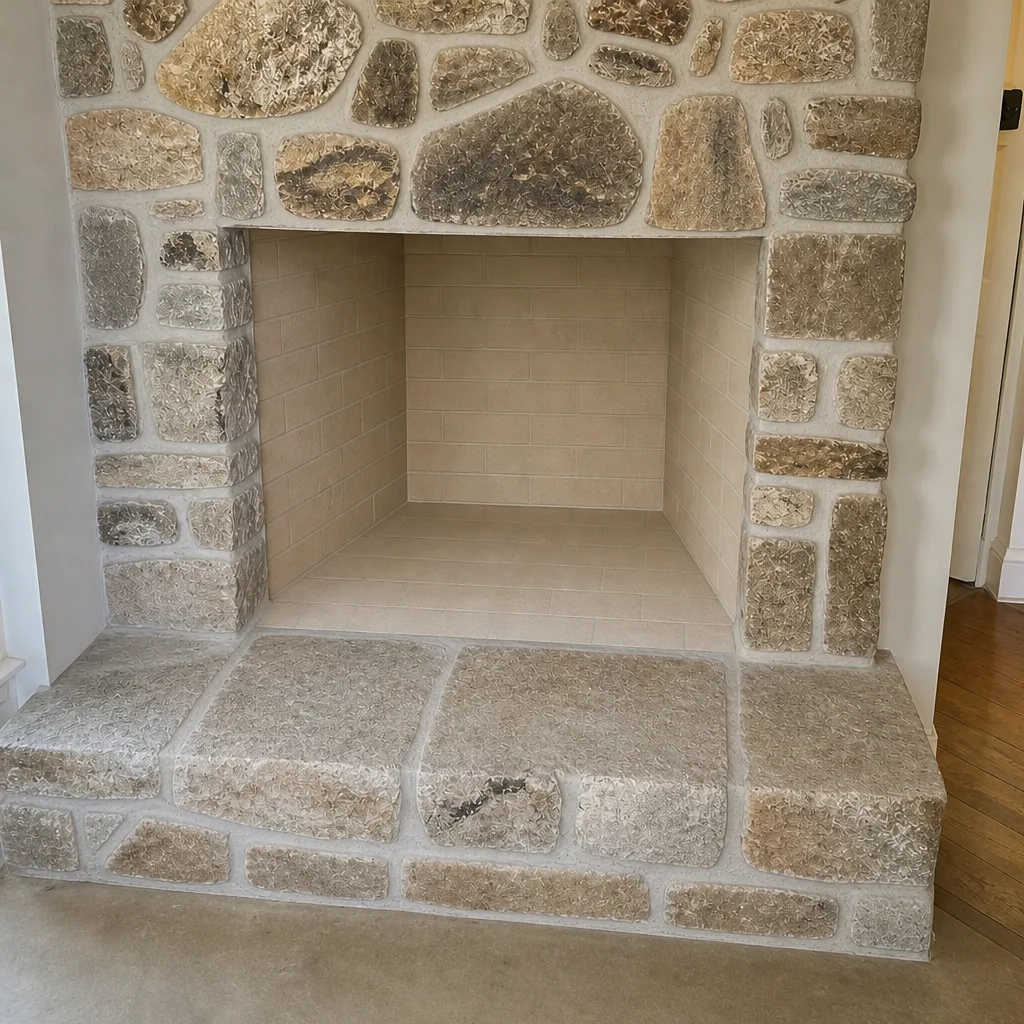 After
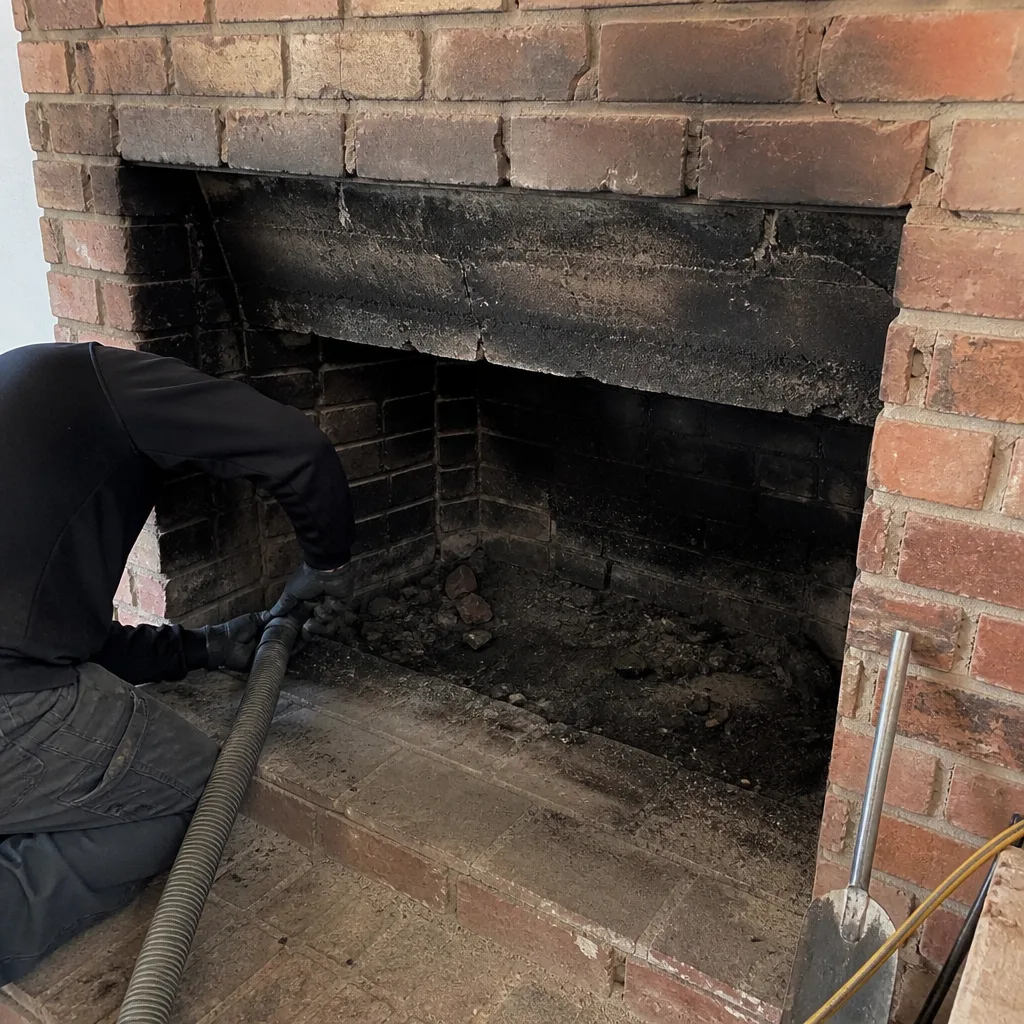 Before
 After
 Before
 After
When to Call a Professional
Call a professional if you’re seeing any Tier 3 signal from the urgency scale above, if there’s smoke entering the room during a fire, if the cap is missing or damaged, or if a cold-firebox smell has persisted for more than a day or two. Call if you’re a new homeowner with a fireplace you’ve never used. Call if you’ve had a chimney fire, even a small one, or if you’re preparing a home for sale. Call if a general contractor or handyman has already cleaned the chimney but couldn’t tell you whether the liner is sound.
The point of a professional visit isn’t a checklist. It’s a diagnosis you can act on: sweep, inspect, and repair decisions made together, from the firebox to the crown. If you’re not sure whether your warning signs are Tier 1 or Tier 3, err on the side of a visit. Chimney Sweep Peralta Hills offers free estimates in Peralta Hills – call (877) 492-2418. We answer 24/7. Fast dispatch from 7am to 7pm, Sunday through Friday.
Frequently Asked Questions
The most common warning sign we see is a slow-starting fire combined with a mild creosote smell between fires. It’s not dramatic, which is exactly why it gets ignored. Together, those two signals usually mean creosote buildup thick enough to restrict draw, and often a sweep is all that’s needed. Call (877) 492-2418 for an estimate.
Yes. A cracked flue tile gives combustion gases a path out of the flue and into the chimney chase or living space, and the signs aren’t always obvious. A smoky smell in the room on a windy day is sometimes the first indication. Camera inspection is the only way to confirm it. Call (877) 492-2418 for an estimate.
No. A musty smell in the firebox usually means water is sitting somewhere in the masonry or smoke chamber, and mold is one possible result. The more useful question is where the water is getting in, which is why we start every moisture investigation at the crown and cap. Call (877) 492-2418 for an estimate.
A cracked crown is a structural issue, not a cleaning issue, but it belongs on the same inspection checklist. The crack lets water into the masonry, which is what drives efflorescence, spalling, and eventually joint failure. Handling crown work alongside the sweep prevents two separate service visits for one problem. Call (877) 492-2418 for an estimate.
Annually, for most homes that use the fireplace regularly. The rule isn’t based on the calendar; it’s based on use and condition. A home that burns a cord a year needs a different schedule than one that lights a fire a handful of times each winter. Annual sweep and inspection is the safe default. Call (877) 492-2418 for an estimate.
The most likely outcome is that creosote gets thicker, draw gets weaker, and a small repair (sweep, cap, crown) becomes a bigger one (liner or chase work). The less likely but more serious outcome is a chimney fire. Skipping a year isn’t guaranteed to cause damage; it’s just rolling the dice on a system that’s already telling you something. Call (877) 492-2418 for an estimate.
The Bottom Line
Chimney warning signs are usually visible or smellable well before a fire or carbon monoxide event becomes likely. The job is reading them correctly. Smells point to specific causes – creosote, backdraft, animals, moisture – and each one has a different fix. Interior visuals (spalling, efflorescence, rust) point to water. Exterior visuals (crown, mortar, staining) point to the same water entering from above. Performance signals (slow-starting fires, smoke spillage, weak draw) point to a flue that changed structurally. When you sort the signal into one of those groups, you know whether to monitor, inspect, or stop burning. And when in doubt, a sweep and inspection tells you what’s inside before you light the first fire of the season.
If any of the signals in this guide feel familiar, one call to a specialist can move you from guessing to knowing. Chimney Sweep Peralta Hills handles the sweep, the inspection, the cap and crown, the fireplace repair, and the chimney repair – one specialized team, from the firebox to the crown. Call (877) 492-2418 for a free estimate. We answer 24/7. Fast dispatch from 7am to 7pm, Sunday through Friday. Visit our home page at Chimney Sweep Peralta Hills for the full service list.
Written by the team at Chimney Sweep Peralta Hills.