
Last updated November 25, 2026
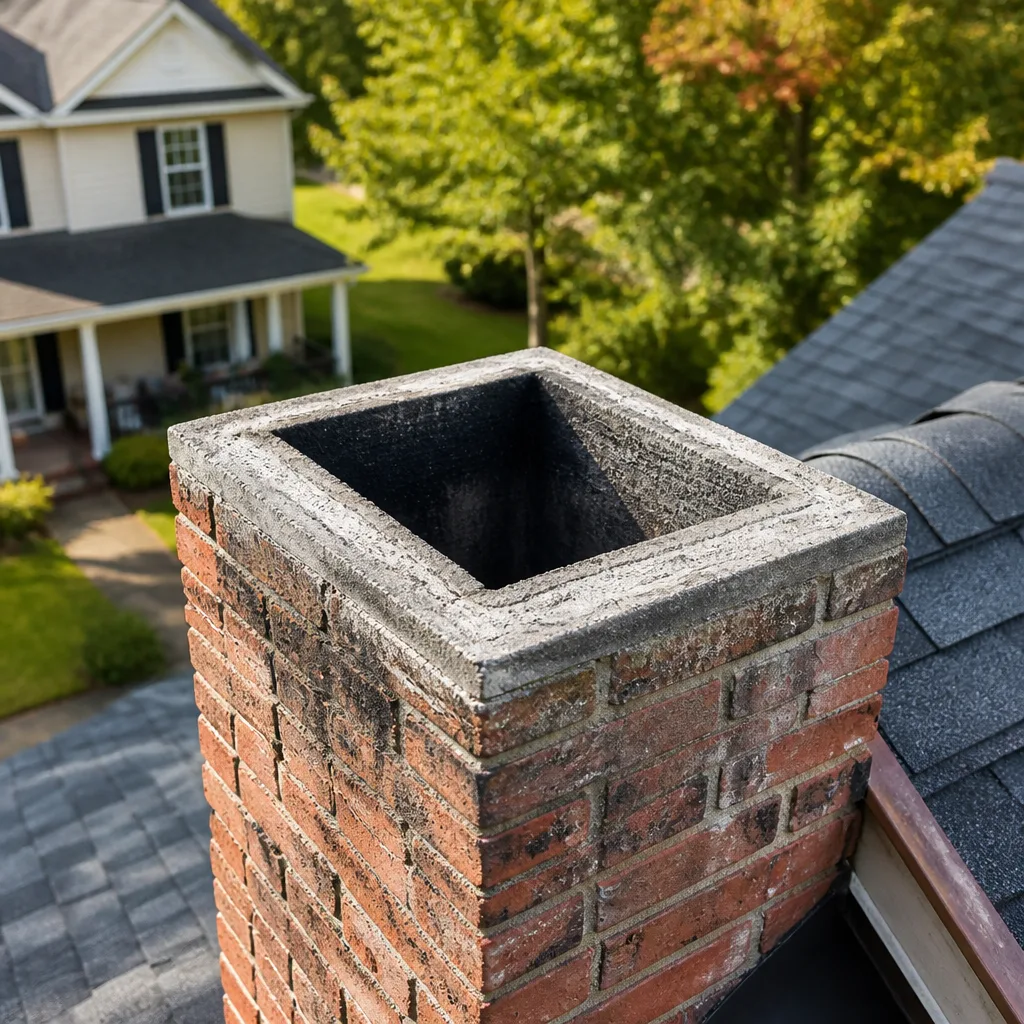 Sweep & inspection
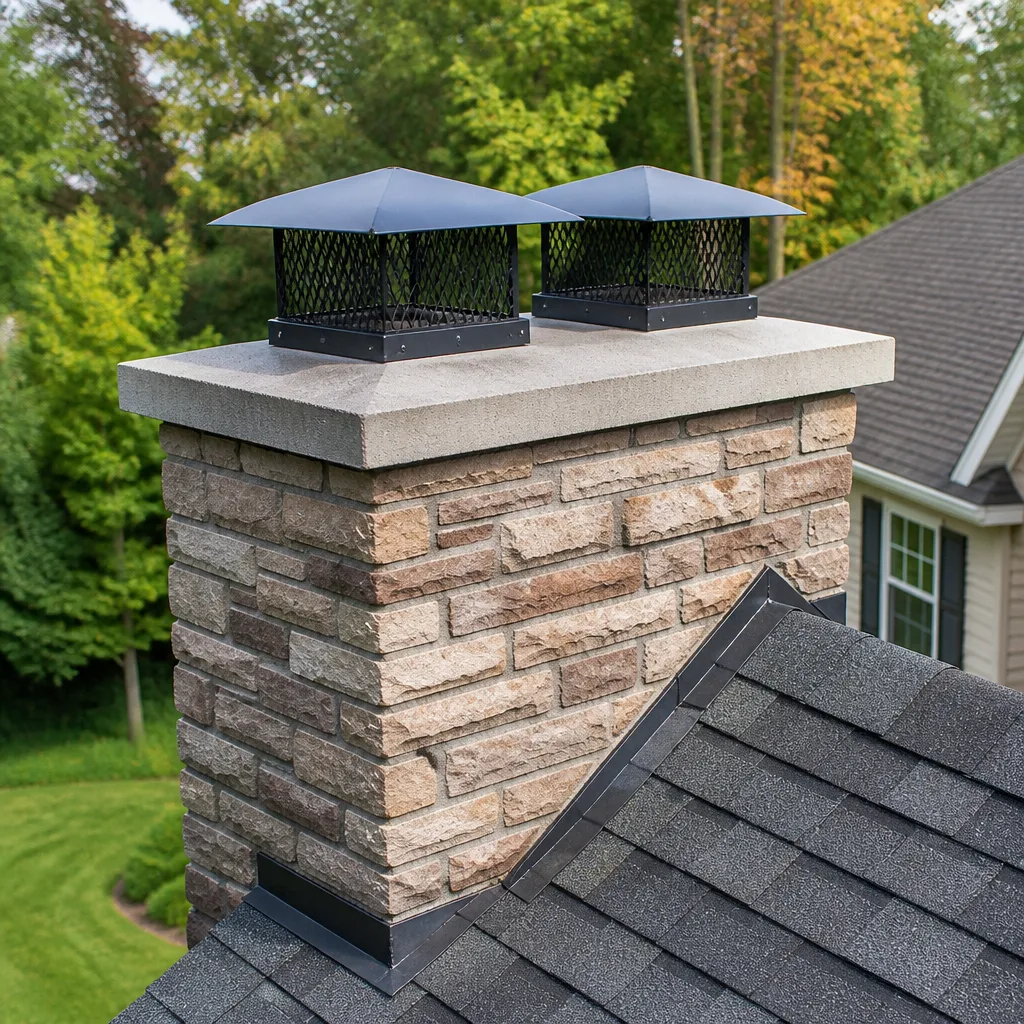 Caps & crowns
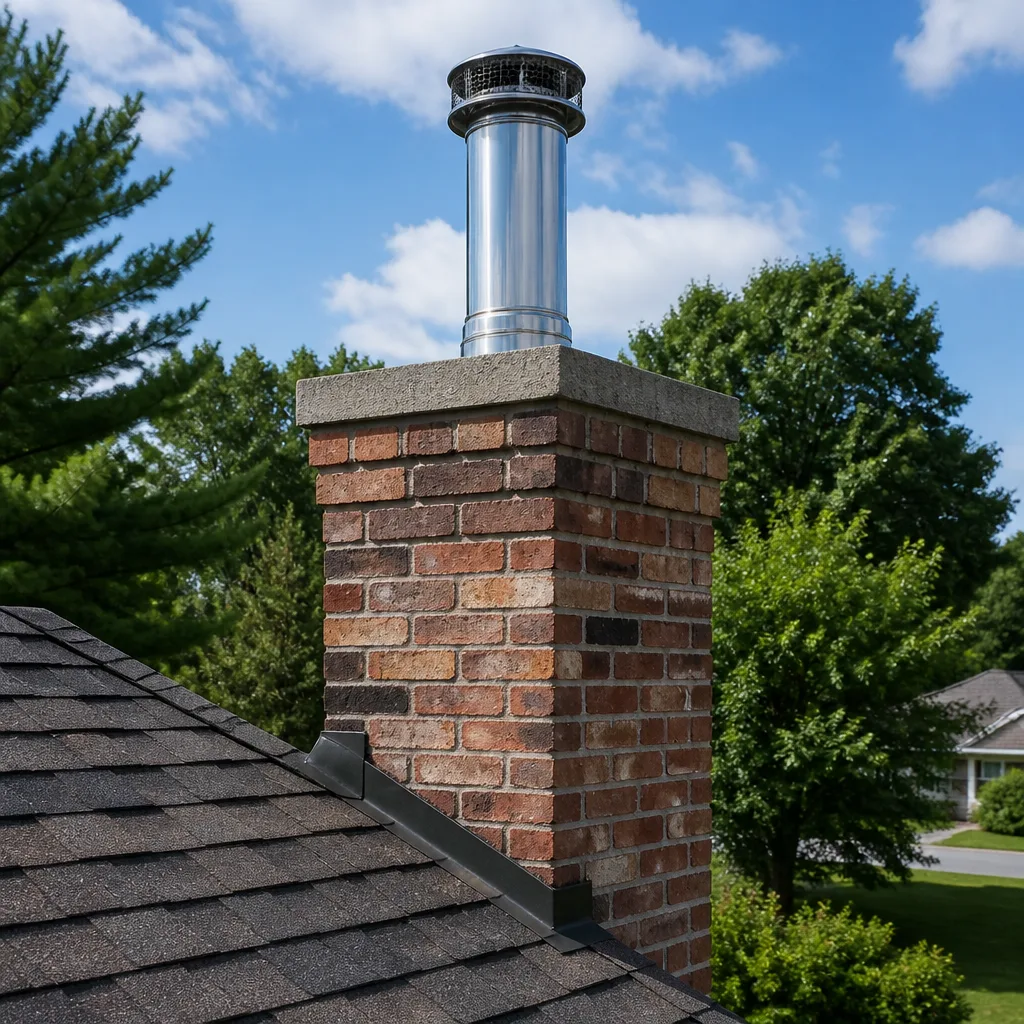 Flue relining
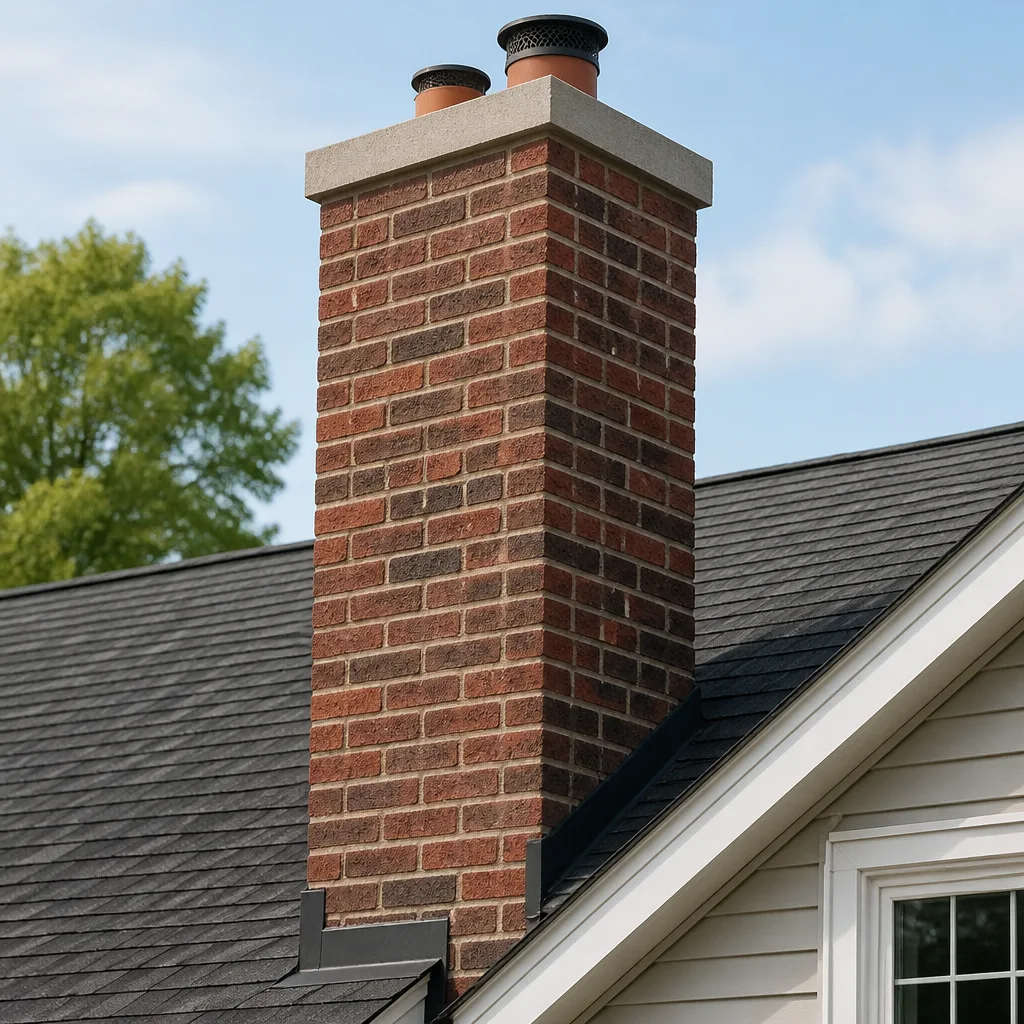 Masonry repair
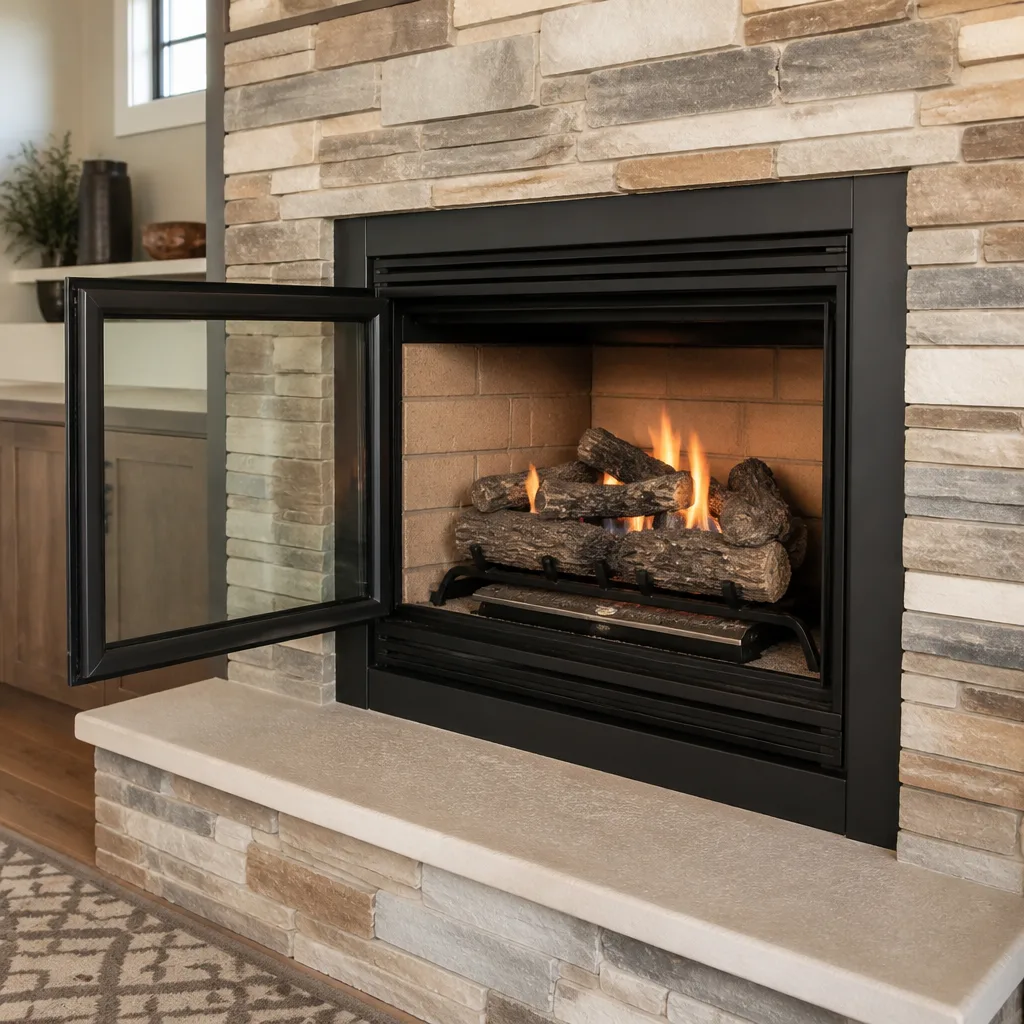 Gas fireplace service
Level 1 sweep and inspection to the NFPA 211 annual standard - flue, crown, cap, and flashing checked and photographed
Chimney sweep logs do not sweep chimneys. They loosen some creosote - which then falls where a brush and vacuum still have to collect it.
Chimney Cleaning Permits, Codes & Inspections in Peralta Hills, CA: What You Need to Know
Most people assume a chimney sweeping needs a permit. Usually it doesn’t. Here’s the part that catches homeowners off guard: the moment the work crosses from cleaning into relining, firebox rebuilding, structural repair, or replacing a cap on certain factory-built systems, the regulatory picture in California changes quickly, and almost nobody warns you before the work starts. We see the consequences downstream, in home sales and insurance claims, when a paper trail that should exist simply doesn’t. This guide walks through where that line sits in Peralta Hills, what a proper inspection report actually means, and how to verify that whoever you hire is pulling permits instead of skipping them to underbid the job.
Quick Answer
In Peralta Hills, a routine chimney cleaning does not require a permit. Work that alters the chimney structure or flue system typically does: relining, firebox rebuilds, certain cap and crown replacements, and gas insert installations. Inspections don’t require a permit either, but a Level 2 inspection report carries real weight in insurance claims and real estate transactions. When in doubt, ask your city’s building department directly, and ask your contractor to show you the permit before work begins.
Styles & brands we work with
- Sweep & inspection
- Caps & crowns
- Flue relining
- Masonry repair
- Gas fireplace service
Table of Contents
- Which California Codes Apply to Chimney Work?
- What Chimney Work Requires a Permit?
- What Does a Level 2 Inspection Report Actually Mean?
- How Do You Verify a Contractor Is Pulling Permits?
- How Does Unpermitted Chimney Work Surface in a Home Sale?
- How Does Unpermitted Work Affect Insurance Claims?
- How Do Local Conditions Affect Your Chimney in Peralta Hills?
- When Is the Right Time to Schedule?
Which California Codes Apply to Chimney Work?
Chimney work in California is governed primarily by the California Building Code and the California Residential Code, both of which adopt national standards with state-level amendments. The standards that matter most to homeowners are the ones covering chimneys and vents, and the one covering fireplace and appliance installation. Your contractor should be able to name the chapter and section that applies to your job before he quotes it. If he can’t, that’s a sign he’s working from habit rather than from code.
The wrinkle most guides skip: local jurisdictions can amend the state code, and Orange County cities do. Peralta Hills sits in an unincorporated pocket between Anaheim, Yorba Linda, and Orange, which means the applicable jurisdiction depends on the parcel’s actual boundary lines, not on a mailing address. We’ve seen homeowners call Anaheim’s building department about a chimney in Peralta Hills and get told to call the county instead. Before any permit is pulled, confirm which authority has jurisdiction over your address. This single step saves weeks.
- California Building Code: chimney and vent systems, clearances, liner requirements, and material standards.
- California Residential Code: one- and two-family dwelling fireplaces, hearth extensions, and appliance venting.
- California Mechanical Code: gas insert installation and venting for fuel-burning appliances.
- Local amendments: Orange County and individual cities may tighten or clarify the state rules, particularly around seismic anchoring and clearance to combustibles.
Because Peralta Hills is unincorporated, a project here can be reviewed by the county rather than a city building department, depending on the address. We don’t guess. We confirm jurisdiction first, because filing with the wrong office just means a delay and a second fee.
What Chimney Work Requires a Permit?
Cleaning does not. Structural or system-altering work usually does. A useful working rule: if the work changes what the chimney is, rather than what’s inside it, assume a permit is needed until your building department confirms otherwise. This is where we see the most confusion, and where a bit of planning saves a lot of headache.
Work that typically requires a permit
- Relining a flue with a new stainless system, including flexible liner installations using DuraFlex components.
- Rebuilding a firebox or repairing firebox masonry beyond cosmetic patching.
- Structural chimney repair affecting the stack, crown, or any load-bearing masonry.
- Cap and crown replacement on certain factory-built chimney systems, or where the crown repositioning affects flashing and weatherproofing.
- Gas insert installation, which ties into mechanical code and venting requirements.
- New fireplace construction or converting a wood-burning fireplace to a different fuel type.
Work that typically does not require a permit
- Routine sweeping and creosote removal.
- Standard chimney inspection at any level.
- Caps on standard masonry chimney flues where no structural change is involved.
- Minor fireplace repairs that don’t affect the firebox structure or venting.
Resurfacing an existing flue liner with HeatShield is a case where the answer depends on your jurisdiction and the condition being addressed. In some cases it’s treated as a repair, in others as a system alteration that needs review. We don’t assume either way. We ask the building department before we quote, so the price you see doesn’t change once the paperwork starts.
What Does a Level 2 Inspection Report Actually Mean?
A Level 2 inspection is a visual and accessible-area examination of the chimney, including the flue, the firebox, the crown and cap, and accessible portions of the attic and crawl space. It is typically performed with a camera. It is the standard inspection for a home sale, a change in fuel type, a chimney fire, or after an earthquake. The report is not just a checklist. It’s your evidence.
Here’s why the report matters more than the visit itself. If you have an insurance claim after a chimney fire, your insurer will ask whether the chimney was maintained and inspected. If you’re selling a house in Peralta Hills and the buyer’s inspector flags the chimney, a dated Level 2 report from before the listing can settle a lot of questions in a single conversation. A report you can point to is worth more than a technician’s reassurance at the kitchen table.
What a proper Level 2 report should contain:
- Clear photos or video of the flue interior, from the firebox to the top of the chimney.
- Condition of the liner, including any cracking, gaps, or evidence of a prior fire.
- Condition of the crown, cap, and flashing, with a note on drainage.
- Clearances to combustible materials at accessible points.
- Any recommended repairs, separated into “needs now” and “can wait.”
That last point matters. A report that tells you everything needs fixing right now is less useful than one that tells you what’s urgent and what can wait until the off-season. We work hard to keep that distinction honest. It’s the difference between a real inspection and a sales pitch.
How Do You Verify a Contractor Is Pulling Permits?
Ask, in writing, before the work starts. Any contractor who has pulled permits before will answer without hesitation. One who hasn’t will change the subject, or tell you permits are unnecessary for your job. Both responses are worth noting.
- Ask for the permit number before work begins. If the contractor says he’ll pull it later, that’s a flag. Permits are pulled first, not after.
- Call the building department yourself. Ask which authority has jurisdiction over your address in Peralta Hills, and whether the stated scope of work requires a permit.
- Confirm the permit matches the work. A permit for “liner repair” doesn’t cover a firebox rebuild. If the scope changes, the permit should too.
- Verify insurance and licensing. The local professional is licensed and insured as their state requires; ask to see proof before the first day of work.
- Get a written scope and a signed estimate. The written estimate sets the final price, and both of you should be working from the same document.
We can’t speak for every contractor in the area, and we don’t try to. What we can say is that when you’re comparing bids, the lowest number deserves a second look. Skipping the permit is one of the easiest ways to underbid a job, and the cost lands on the homeowner later, at sale or at claim time. A quote that includes permits is a quote you can trust as complete.
How Does Unpermitted Chimney Work Surface in a Home Sale?
It surfaces most often during the buyer’s inspection contingency, when the buyer’s inspector asks for documentation of recent work. If there is none, the buyer’s side typically requests either a credit or a repair performed by a licensed contractor after the sale. A credit at closing is usually the cheaper outcome for the seller. A repair at closing is the more expensive one.
Peralta Hills home sales often involve larger lots and older masonry chimneys, which makes the inspection phase more thorough than average. Buyers here are more likely to ask about chimney history than they might in a newer subdivision. That’s not a bad thing, but it rewards sellers who have their paperwork in order before the listing goes live. A dated inspection report, a permit record for any relining or repair work, and a sweep invoice or two go a long way.
- Before listing: pull a Level 2 inspection and keep the report. It’s your evidence trail.
- If work was done without a permit: get a retroactive inspection and, where possible, a permit or an as-built determination from the jurisdiction.
- If a buyer’s inspector flags the chimney: a current report from your own inspection is the best response, and often settles the question without a credit.
- If a credit is the answer: get the repair quoted by a company that can do the work, not by a generalist who would refer it out.
The fix is rarely about the chimney itself. It’s about the missing evidence. Fill the gap early and the rest of the transaction moves fast.
How Does Unpermitted Work Affect Insurance Claims?
Unpermitted work does not automatically void a claim. What it can do is complicate the adjustment, add investigation time, and in some cases shift part of the loss back to the homeowner. That’s the practical reason to get permits even when nobody’s asking. The claim is where the paperwork gets its real test.
If a chimney fire happens and the claim is opened, your insurer will likely ask three questions:
- When was the chimney last swept, and by whom?
- When was it last inspected, and by what level of inspection?
- Was any recent work performed on the chimney or fireplace? If so, was it permitted?
If the answers are clear and documented, the claim moves. If the answers are “I don’t know” or “there’s no record,” the claim slows down. We’ve seen homeowners produce a two-year-old invoice and an inspection report and have a covered loss resolved without much back-and-forth. We’ve also seen the opposite, where a substantial relining job done without a permit turned a repairable claim into a dispute about what was actually installed and whether it was code-compliant to begin with.
That’s the case for doing it right the first time. The permit isn’t a tax. It’s documentation that the work exists, was inspected, and meets the code in force at the time. When a claim opens, that documentation is worth more than the fee it cost.
How Do Local Conditions Affect Your Chimney in Peralta Hills?
Peralta Hills sits in a warm inland spot in Orange County with a real fall and winter burn season and very little rain the rest of the year. That combination shapes chimney problems in ways that differ from colder parts of the country. The biggest factors here aren’t snow or freezing, they’re dry weather, seasonal burning, and the way masonry ages with wide day-to-night temperature swings.
- Dry-season cracking: long stretches without rain let masonry and mortar dry and shrink; when the first rains do arrive, small cracks that formed in the summer can let water in.
- Creosote accumulation: regular fireplace use through the burn season builds creosote in the flue, and the more you burn slow, cool fires, the faster it builds.
- Crown and cap wear: sun exposure and the occasional heavy rain event wear down crowns and weather caps more than a homeowner expects, especially on masonry chimneys.
- Seismic considerations: California’s code addresses chimney anchoring for a reason. Older Peralta Hills chimneys should be looked at for bracing and strapping during any inspection.
The practical advice: schedule your chimney sweep before the burn season gets going, not after. Creosote removed in late summer doesn’t have a chance to build up through the first cold weeks. And a chimney cap & crown check at the same time catches weather damage before the first rains of the year. Both services come from the same company, so there’s no second call.
When Is the Right Time to Schedule?
Before the first fire of the season. In Peralta Hills, that usually means late summer through early fall for a sweep, with repairs scheduled as soon as the inspection reveals them, so the work is done before burning begins. If you’ve just bought a house, schedule an inspection before you light the fireplace, even if it looks clean. If your home has been through an earthquake, a chimney fire, or a flue event, schedule a Level 2 inspection right away, not next season.
The Chimney Sweep Peralta Hills team handles the full lifecycle: sweep, inspect, repair, and cap. No referrals out. Our technicians have up to 14 years of experience, and we work with professional-grade brands including DuraFlex, HeatShield, Famco, and Copperfield. We install and service those products in-house, which means when an inspection reveals a crack, a gap, or a failed crown, we don’t hand you a name and hope for the best. We quote the repair and schedule it.
If you’re not sure whether work is needed, that’s the right question to bring to us. We can do a sweep and a Level 2 inspection, then tell you plainly what needs attention and what can safely wait. Our estimates are free.
Common Mistakes to Avoid
- Assuming the sweep needs a permit. It doesn’t. Homeowners sometimes over-permit simple cleaning, which adds cost and delay to a job that’s never required either. Ask before you assume either direction.
- Assuming a repair doesn’t need a permit. This is the more expensive mistake. Relining, firebox rebuilding, and some cap replacements typically do require one, and the permitting question should be settled before the work begins, not after.
- Taking the lowest bid without asking about permits. A contractor who skips the permit is skipping a real cost that the next owner inherits. Compare quotes on the same scope, permits included, and the fairest bid usually becomes obvious.
- Filing a permit with the wrong jurisdiction. Peralta Hills is unincorporated, and the applicable office depends on your parcel. Confirm which office has jurisdiction over your address before the paperwork starts.
- Skipping the inspection because the sweep looked fine. Sweeping removes creosote; it doesn’t reveal hairline cracks, failed flashing, or crown damage. A fireplace repair that’s needed won’t show up on a brush alone.
- Throwing away the report. A dated Level 2 inspection report is the single most useful document if you sell, refinance, or file a claim. Keep it with your home records.
- Waiting until the first cold week to call. Everyone else calls then too. A late-summer sweep is easier to book and leaves time for repairs before the burn season begins.
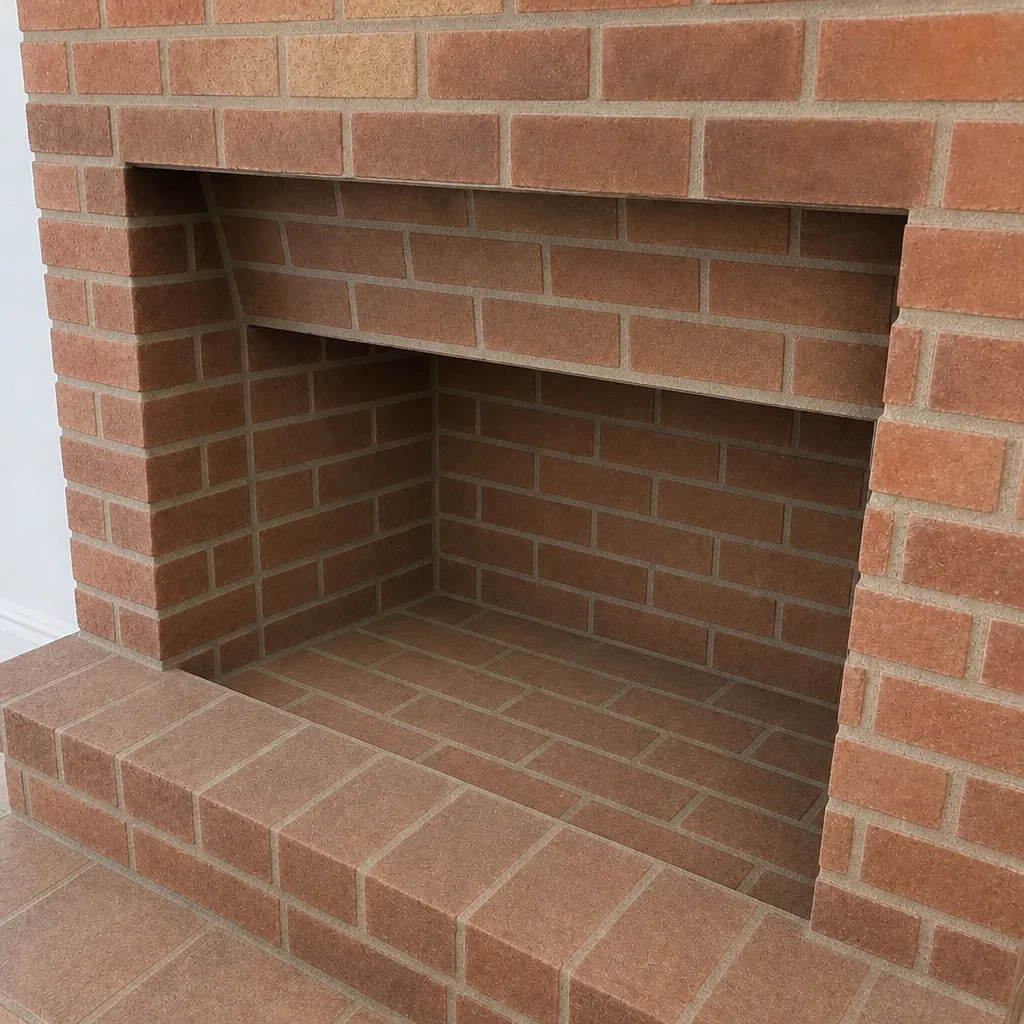
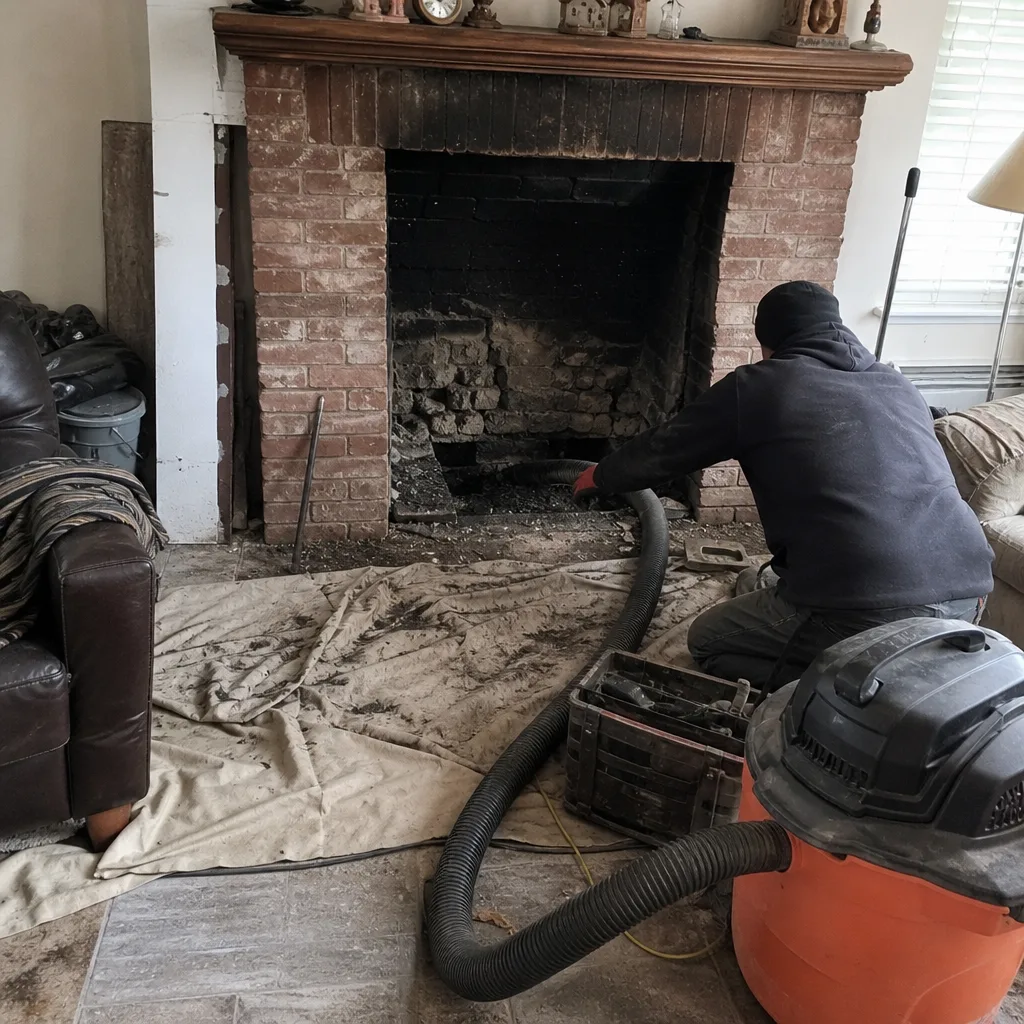
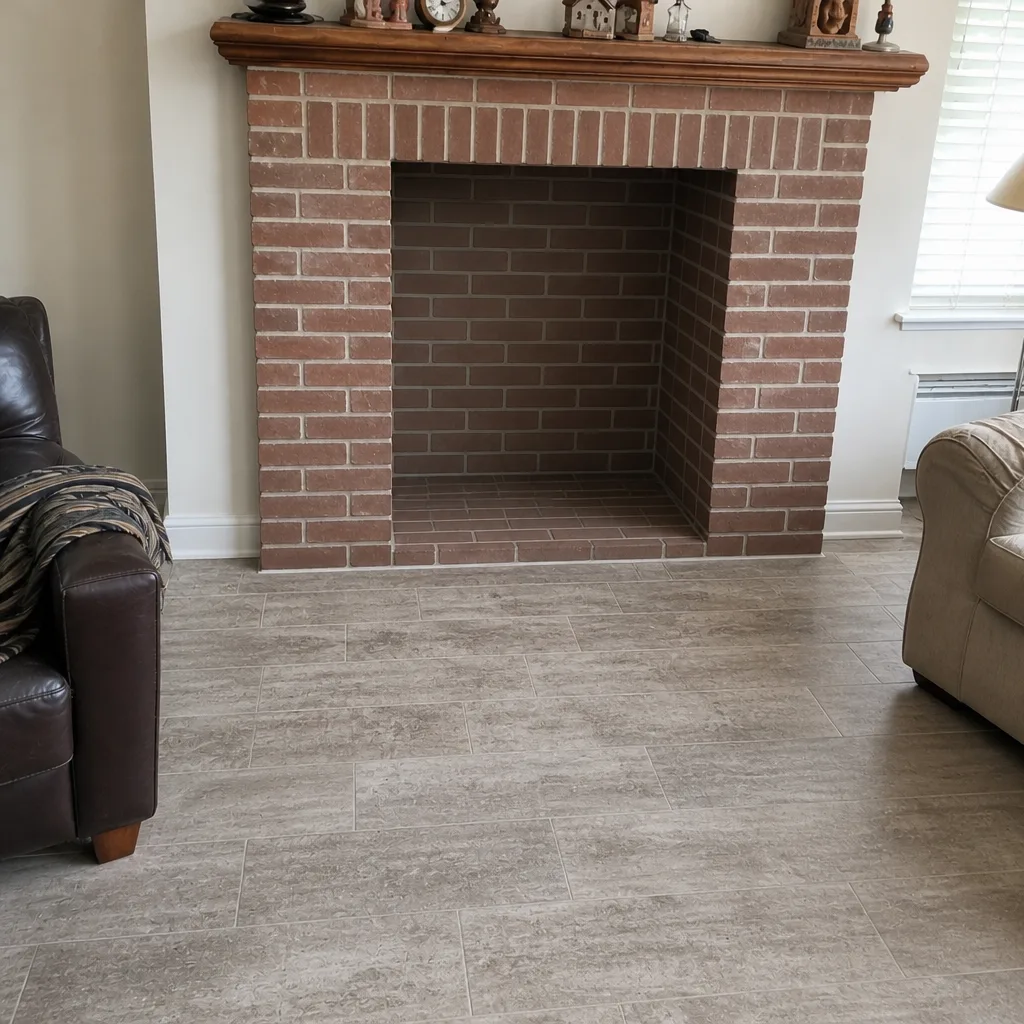
See the difference
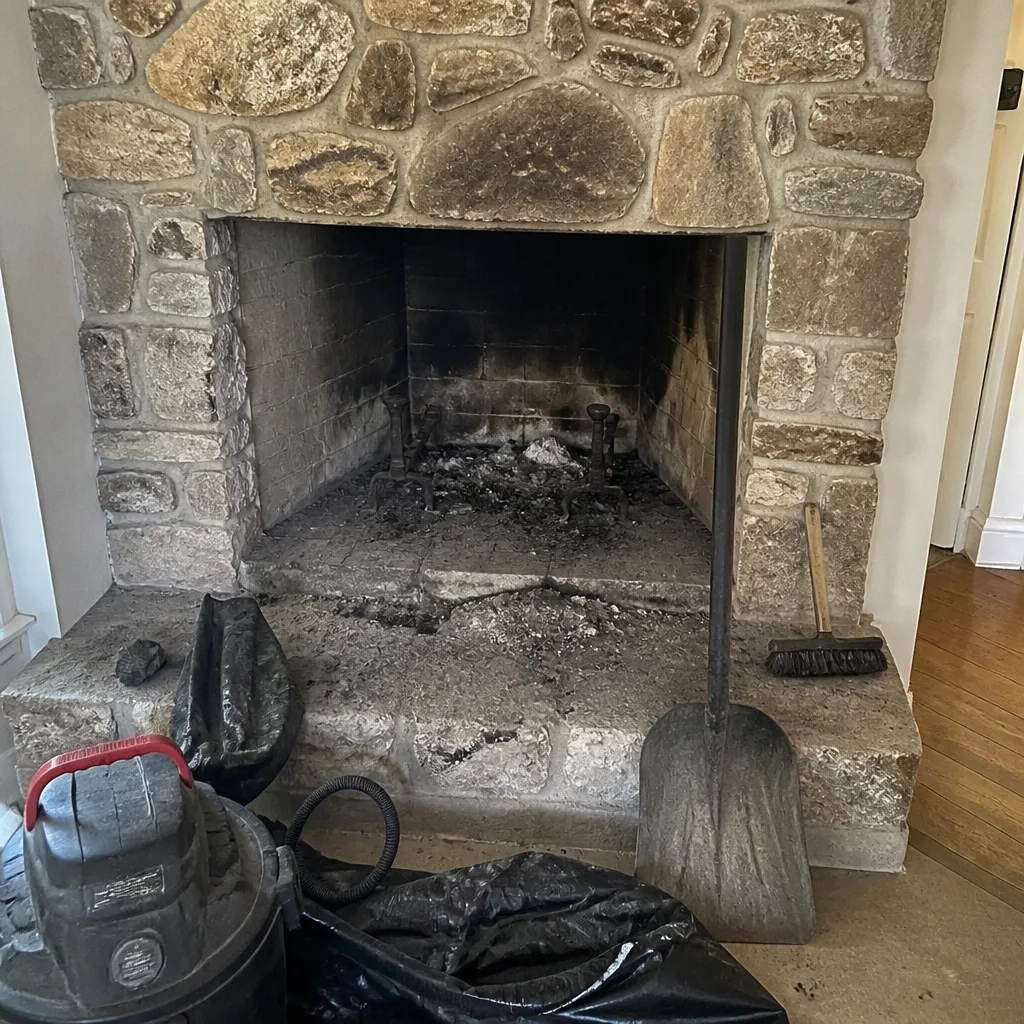 Before
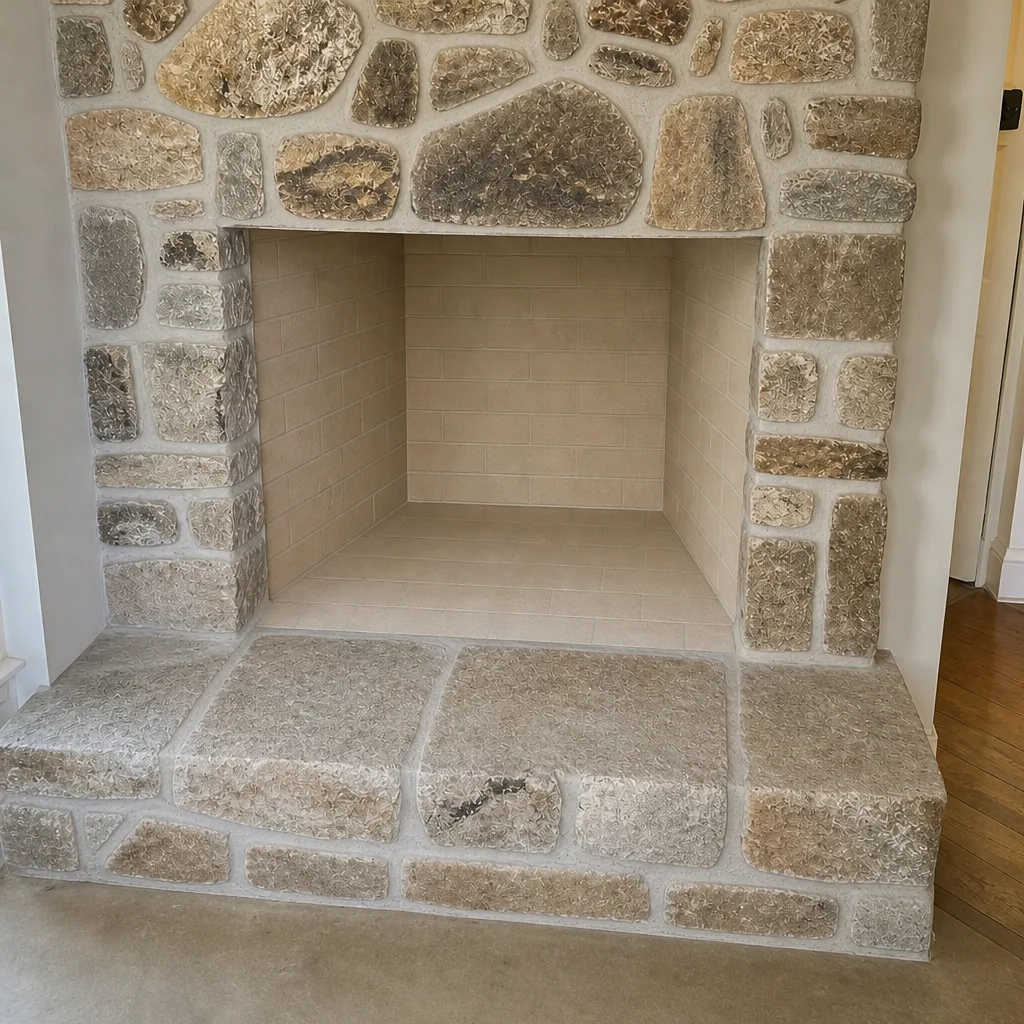 After
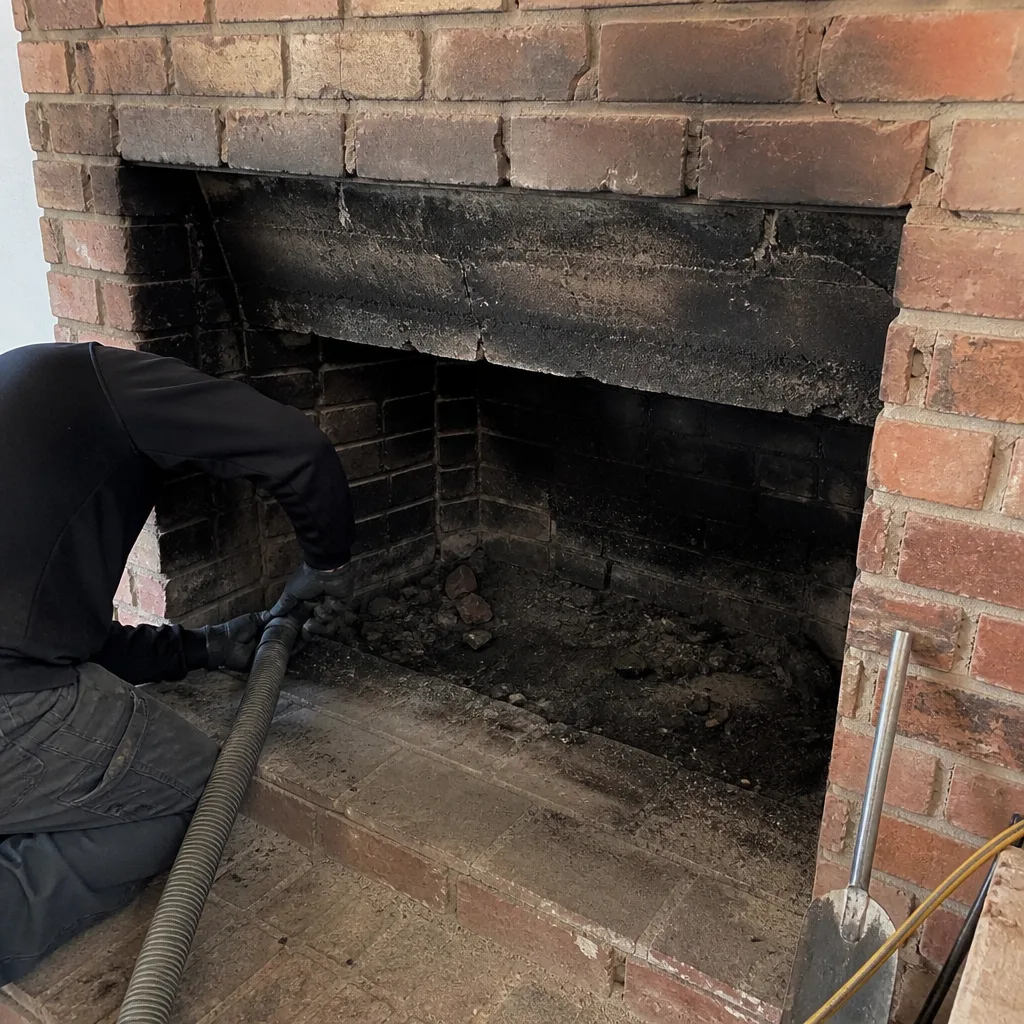 Before
 After
 Before
 After
When to Call a Professional
Call a professional chimney specialist, not a general handyman, if any of the following apply: your chimney hasn’t been swept in more than a year of regular use; you’ve had a chimney fire, even a small one; your home has been through an earthquake and the chimney is masonry; you’re buying or selling a home in Peralta Hills and need documentation; you’ve noticed staining, crumbling mortar, a loose cap, or smoke coming back into the room; or you’re installing a new fireplace, insert, or heating appliance. Sweeping and inspection are tasks that depend on the right tools, the right camera, and the right eye. Repairs depend on permits, materials, and trade experience. Doing both with one specialist is the simplest way to keep the paperwork clean and the work consistent from sweep to cap.
Some jobs are genuinely small, and we say so. A sweep with nothing else found is a sweep. If you suspect a problem but aren’t sure, the inspection is what tells you. Chimney Sweep Peralta Hills offers free estimates in Peralta Hills. Call (877) 492-2418. We answer 24/7. Fast dispatch from 7am to 7pm, Sunday through Friday.
Frequently Asked Questions
No. A routine chimney sweeping does not require a permit in Peralta Hills or anywhere else in California. Permits come into play when the work changes the chimney structure or flue system, such as relining, firebox rebuilding, structural repair, or certain cap and system replacements. Call (877) 492-2418 for an exact quote on your job; estimates are free.
No, a chimney inspection isn’t required by law for a private homeowner. It is required or expected in practice during a home sale, after a chimney fire, after an earthquake, or when an insurance claim is opened. Even without a legal requirement, an annual inspection is the simplest way to catch problems before they become expensive. Call (877) 492-2418 to schedule one.
Pricing is per job by written estimate, and we don’t publish a fixed number because the scope varies with chimney type and condition. What you can count on is that the estimate is free, the price is set per job in writing before the work begins, and the written estimate is what you pay. Call (877) 492-2418 for an exact quote.
Not unless the existing liner is cracked, deteriorated, or unsuitable for what you’re burning. A Level 2 inspection with camera evidence is what tells you, and we show you the photos before recommending a reline. If a liner can be resurfaced with HeatShield instead of replaced, we’ll say so. Call (877) 492-2418 to talk it through; estimates are free.
Once a year during the burn season for a regularly used fireplace is the standard most chimney professionals follow, and more often if you burn frequently or use unseasoned wood. In Peralta Hills, the burn season is short enough that a single late-summer sweep usually covers the year. If you’re not sure when yours was last done, that alone is a reason to schedule. Call (877) 492-2418.
Creosote builds up in the flue and becomes more flammable the longer it sits, which raises chimney fire risk, and carbon monoxide can back up into the home if the flue is blocked or damaged. Skipping also means small liner, crown, or flashing problems get worse before they’re caught. The fix is usually a sweep and an inspection, not a rebuild. Call (877) 492-2418 for a free estimate.
The Bottom Line
Routine cleaning in Peralta Hills doesn’t need a permit. Relining, firebox rebuilding, structural repair, and certain cap replacements usually do, and confirming which jurisdiction has authority over your address is the first step. A Level 2 inspection is the report that carries weight in a home sale and an insurance claim, so keep it on file. If you’re hiring anyone, ask for the permit number before work starts and check it matches the scope. That’s the whole discipline. Do those things and the chimney stops being a liability at claim time or sale time. Skip them and it can become one quickly.
Chimney Sweep Peralta Hills handles sweep, inspection, cap and crown, and repair as one company. We install and service DuraFlex, HeatShield, Famco, and Copperfield products, and our technicians have up to 14 years of experience. If you’d like a free estimate and a plain answer about whether permits apply to your job, call (877) 492-2418. We answer 24/7. Fast dispatch from 7am to 7pm, Sunday through Friday.
Written by the team at Chimney Sweep Peralta Hills.