
Last updated November 25, 2026
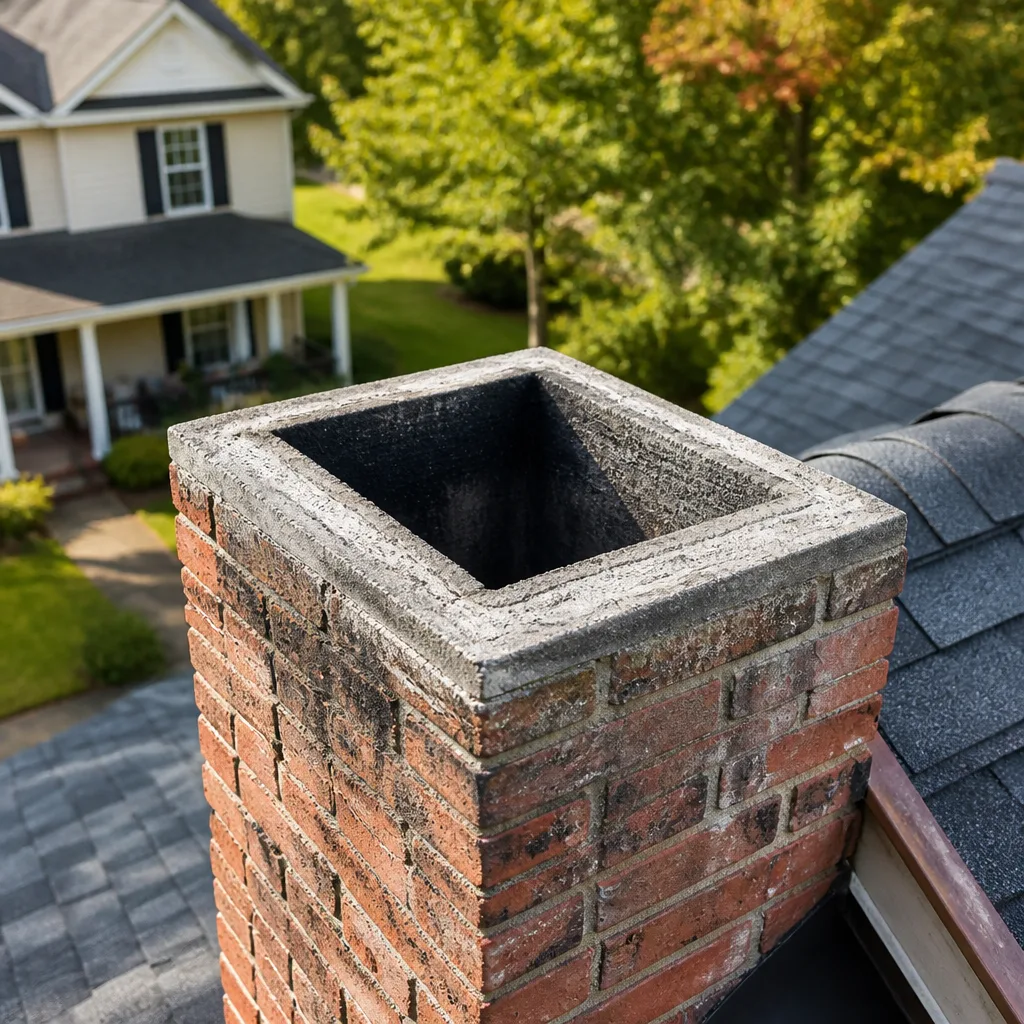 Sweep & inspection
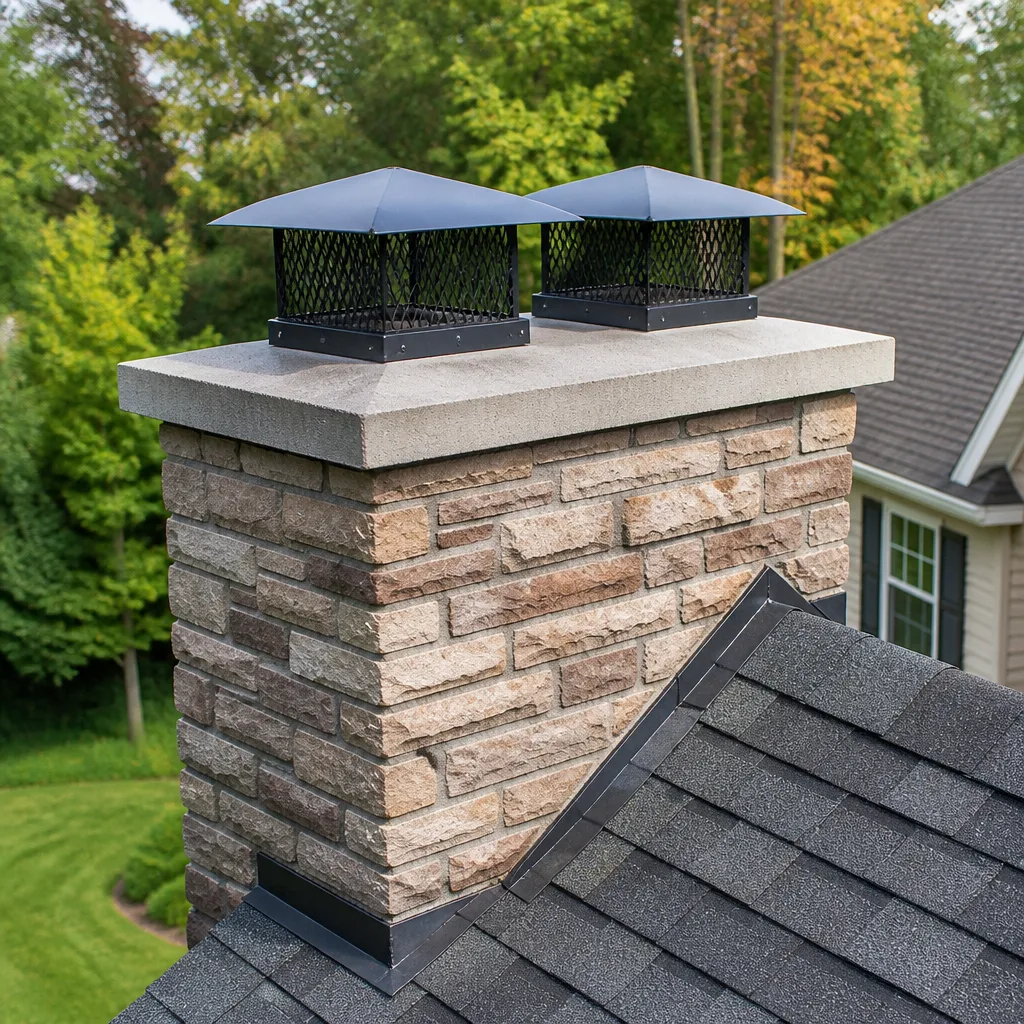 Caps & crowns
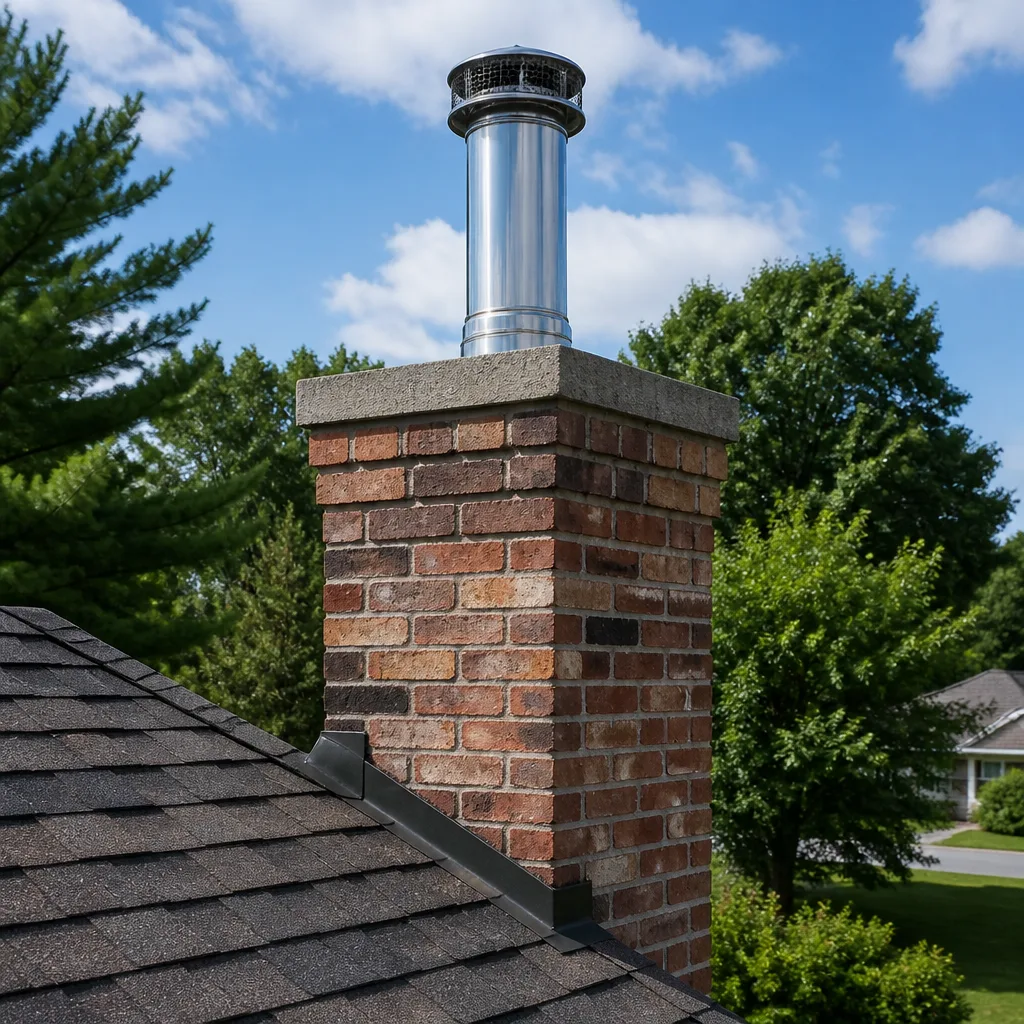 Flue relining
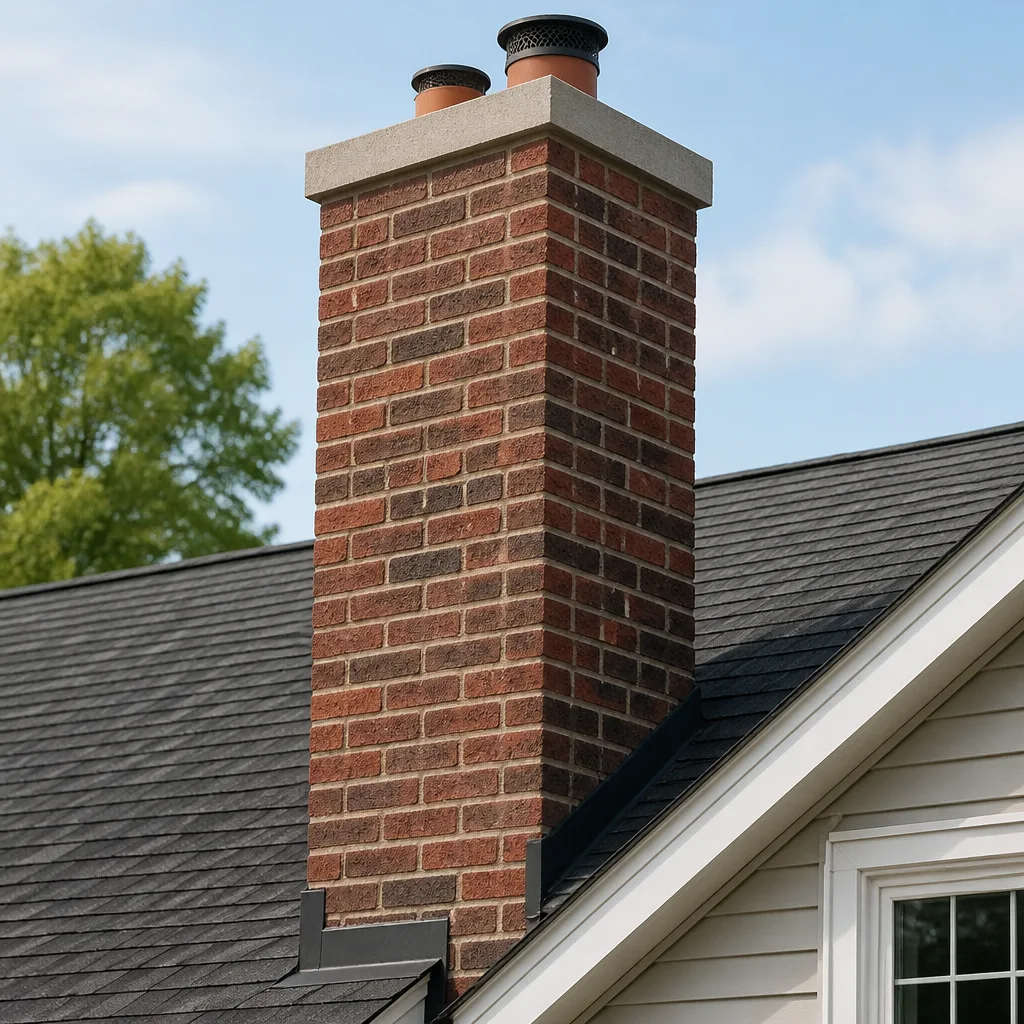 Masonry repair
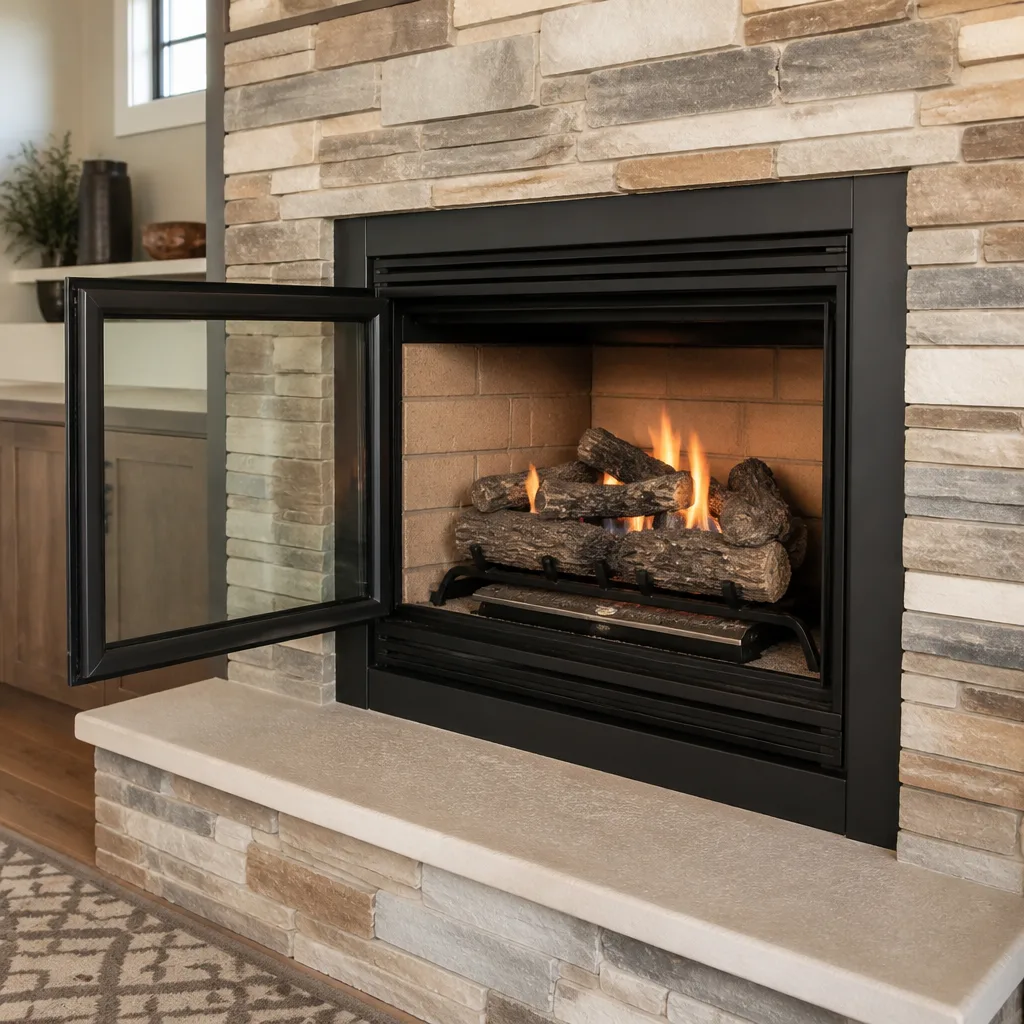 Gas fireplace service
Level 1 sweep and inspection to the NFPA 211 annual standard - flue, crown, cap, and flashing checked and photographed
Chimney sweep logs do not sweep chimneys. They loosen some creosote - which then falls where a brush and vacuum still have to collect it.
How to Hire a Chimney Cleaning Contractor in Peralta Hills: A Step-by-Step Guide
A sweep with a brush kit and a full chimney specialist will both tell you they cleaned your chimney. The difference only shows up later, when the inspection turns up a cracked crown, a failing liner, or a firebox that needs rebuilding and one of them doesn’t do that work. That gap is the single biggest hiring mistake we see in Peralta Hills, and it rarely surfaces until you’ve already paid for a sweep and a second contractor has to be called in. This guide gives you a filtering framework to use before the first phone call, so you know what you’re hiring, what a fair estimate looks like, and which questions separate a real specialist from a generalist with a ladder.
Quick Answer
Hire a chimney contractor in Peralta Hills by confirming three things before you book: that the company handles both sweeping and repair work in-house, that they inspect the flue liner, cap, and crown as part of the visit rather than just running a brush, and that their estimate lists line items instead of one vague lump sum. Ask what happens if the sweep reveals a repair problem, and get a straight answer about whether they do that work or hand you off. A company that sweeps, inspects, and repairs under one roof saves you from starting the search over mid-project.
Styles & brands we work with
- Sweep & inspection
- Caps & crowns
- Flue relining
- Masonry repair
- Gas fireplace service
Table of Contents
- Sweep-Only Service vs. Full Chimney Specialist
- What CSIA Certification Actually Verifies
- Questions to Ask Before You Book
- What a Legitimate Estimate Includes
- Red Flags in the Southern California Chimney Market
- What Happens During a Chimney Inspection
- Why Peralta Hills Chimneys Age the Way They Do
- Common Mistakes to Avoid
- When to Call a Professional
Sweep-Only Service vs. Full Chimney Specialist: Know the Difference Before You Call
The chimney trade splits into two kinds of operators, and the split matters more than most homeowners realize. A sweep-only service runs a brush through the flue, vacuums the firebox, and leaves. A full chimney specialist does the same sweep but also inspects the components around the flue, identifies problems, and can fix them without referring you elsewhere. Both may advertise “chimney cleaning in Peralta Hills.” Only one of them can help you when the cleaning reveals something broken.
Here’s how to tell them apart before you book:
- Ask what repair services they perform. If the answer is “we just clean,” you’re hiring a sweep-only operator. If they name cap installation, crown repair, liner work, and fireplace repair, you’ve found a specialist.
- Ask whether they outsource. Some sweep services subcontract repair work to a third party. That means two companies, two invoices, and no single point of accountability if something goes wrong.
- Ask about liner materials. A company that installs flexible stainless liner systems, resurfacing systems, and named cap and crown products has the supply relationships a repair-tier operation needs. A sweep-only business typically doesn’t.
- Ask what happens after the sweep. A specialist schedules an inspection and gives you a written report. A sweep-only service hands you a receipt.
We built Chimney Sweep Peralta Hills around the second model because the first one leaves homeowners stranded. From the firebox to the crown, we handle it all: sweeping, inspection, chimney cap & crown work, fireplace repair, and structural chimney repair. One call, one specialist. That matters most in a place like Peralta Hills, where the housing stock ranges from older ranch homes with original masonry to newer builds with factory-built fireplaces, and each type surfaces different problems during a sweep.
The filtering question to ask yourself: if the sweep turns up a repair, do I want to be searching for a second contractor next week? If the answer is no, hire the company that does both from the start.
What CSIA Certification Actually Verifies (and What It Doesn’t)
CSIA certification, from the Chimney Safety Institute of America, is the credential most often cited in chimney service advertising. It confirms that an individual technician has passed a knowledge exam and agreed to a code of ethics, and it’s a legitimate signal that the person sweeping your flue knows the trade. What it does not do is guarantee that the company they work for performs repair work, carries the right materials, or will be the one handling your job from start to finish.
Think of it this way: certification attaches to a person, not a business. A CSIA-certified technician can work for a sweep-only outfit that refers all repair work elsewhere. The certification tells you the sweep itself will be done knowledgeably. It doesn’t tell you what happens when the sweep finds a deteriorated liner or a crown with a hairline crack.
So how should you use the credential when hiring in Peralta Hills?
- Ask whether the technician doing the work is certified. Not whether the company “has certified technicians” somewhere, but whether the person arriving at your door holds the credential.
- Ask what the certification covers. A good technician will explain it plainly: it verifies knowledge of sweeping, inspection, and venting fundamentals.
- Ask separately about repair capability. Certification and repair capability are two different questions. Ask both.
- Ask about continuing education. The better operators keep their technicians current on venting codes and product systems. Ours have up to 14 years of experience, and we keep them trained on the material systems we install.
Certification is a floor, not a ceiling. Use it as one filter among several, and don’t let a logo on a website substitute for asking what the company actually does.
Questions to Ask Before You Book Any Chimney Contractor
The first phone call is where you separate specialists from generalists. Ask these questions in order, and pay attention to how comfortable the person on the other end is with each one. A specialist answers without hesitation. A sweep-only operator deflects or gets vague.
- “Do you inspect the flue liner during the sweep?” The liner is the barrier between combustion gases and the structure of your home. A proper visit includes a visual assessment of the liner, not just a brushing.
- “Can you show me what you find?” The best answer involves a camera inspection and photographs you can look at yourself. If the answer is “we’ll tell you what we see,” ask whether photos are included.
- “Do you install chimney caps and repair crowns?” Cap and crown work is where weather protection lives. If the company doesn’t do it, you’ll be hiring someone else within a season.
- “What liner systems do you work with?” A repair-capable company names specific professional products. We install and service DuraFlex flexible stainless liner systems and apply HeatShield resurfacing, along with Gelco, Olympia Chimney, Famco, and Copperfield products. Naming materials is a sign the company works with them regularly.
- “Is the estimate written, and is it itemized?” You want line items, not a single number scribbled on a card.
- “Who does the repair if something is found?” The right answer is “we do.” The wrong answer involves a referral.
- “Are you licensed and insured?” The local pro should be licensed and insured as their state requires. Ask for it to be confirmed in writing.
Ask these before you book, not after the technician arrives. The answers tell you more about the company than any advertisement can, and they take about five minutes on the phone.
What a Legitimate Estimate Includes (and What a Vague Quote Hides)
A real chimney estimate reads like a short scope of work. It tells you what will be done, what materials will be used, and what the price covers. A vague quote is a single number with no detail, and it’s where homeowners get surprised later when “that didn’t include the cap” or “the crown repair is extra.”
Here’s what line items to expect on a written estimate from a full-service chimney contractor:
- Sweep scope. Which flue or flues will be cleaned, and what the sweep includes.
- Inspection level. Whether it’s a standard annual inspection or a more detailed assessment, and whether a camera inspection and photo report are included.
- Cap and crown work, if needed. The specific product or repair being installed, named. If a new cap is going on, the estimate should say what kind.
- Liner work, if needed. The system being installed, such as a DuraFlex liner, or a resurfacing application like HeatShield, with the scope described.
- Fireplace or masonry repair scope. What’s being repaired, and how.
- What’s excluded. A good estimate tells you what it doesn’t cover, so there are no surprises.
One more thing to look for: the estimate should distinguish between work that’s needed now and work that can safely wait. Not every hairline crack in a crown is urgent. A liner with early surface deterioration may be a candidate for HeatShield resurfacing rather than full replacement, and a technician who explains that difference is giving you useful information rather than a sales pitch. If you can’t see the evidence for a recommended repair in a photo, ask to see it before you approve anything.
The written estimate sets the final price, so get it before any work begins. We give free estimates in Peralta Hills, and we’d rather you understand the scope than approve something you can’t verify.
Red Flags in the Southern California Chimney Service Market
Southern California has some chimney market quirks that show up nowhere else. The mild winters mean fireplaces get used often but chimneys sometimes go years without attention, which can leave more creosote and more deferred maintenance than homeowners expect. That combination attracts the wrong kind of operator.
Watch for these red flags when hiring in Peralta Hills:
- Unlicensed contractors working from a truck. Ask for license and insurance confirmation in writing. A legitimate local pro carries both as their state requires, and won’t hesitate to prove it.
- Crews that appear after fire season. Following a regional fire, out-of-area operators sometimes move through with brush-and-vacuum setups and no local roots. Ask where the company is based and whether they handle repair work, not just cleaning.
- Pressure to approve major work on the spot. A liner replacement or crown rebuild is a real decision. A technician who pushes you to sign before you’ve seen photos is telling you something about how they operate.
- No written estimate. Any price given verbally and not written down is a price that can change.
- “We’ll refer you to someone” for repairs. That’s a sweep-only service wearing a specialist’s advertising.
- No camera inspection offered. If the company can’t show you the inside of the flue, you have no way to evaluate what they recommend.
None of these are about price. They’re about whether the contractor can stand behind the work and stay accountable for it. A cheap sweep from a company that can’t repair what it finds usually costs more in the end.
What Happens During a Chimney Inspection
A chimney inspection is a structured assessment of the flue, firebox, cap, crown, and the visible exterior of the chimney. It’s the part of the visit that tells you what condition your system is actually in, and it’s the piece that sweep-only services often skip or abbreviate.
Here’s how a thorough inspection visit goes:
- Exterior review. The technician checks the cap, the crown, the masonry joints, and the flashing where the chimney meets the roof.
- Firebox and damper check. The firebox, damper, and smoke chamber are examined for cracks, gaps, and deterioration.
- Flue assessment. The liner is examined for creosote buildup, cracking, gaps, and surface deterioration. Depending on what’s found, a camera inspection may be used to see the full length of the flue.
- Report and photos. You get a written assessment, and with a camera inspection, photos of what was found.
- Recommendations. Needed repairs are explained, with the option to schedule them and the option to wait on anything that isn’t urgent.
Know what’s inside before you light the first fire of the season. That’s the point of an inspection, and it’s why we offer inspections as a standalone service, including pre-sale inspections for buyers and post-event checks after a chimney fire or a major storm. An inspection doesn’t obligate you to any repair work. It gives you information you can act on.
Chimney fires and carbon monoxide exposure are the two risks an inspection is designed to catch before they become a problem. If a liner is compromised, gases can reach the structure of the home. That’s a serious reason to know the condition of your flue, and it’s why we recommend an annual inspection alongside the sweep.
Why Peralta Hills Chimneys Age the Way They Do
Peralta Hills sits in a mild-winter climate, and that shapes how chimneys here wear. There’s no hard freeze to stress masonry, but there are long dry stretches, warm days, and the occasional winter rain. The result is a pattern of wear that’s different from colder parts of the country, and it changes what you should watch for.
A few local realities worth knowing:
- Dry spells and masonry. Long periods without rain let mortar and masonry dry out and hairline cracks open up. A crown that looks fine in spring can be a source of water intrusion by the time the first real rain arrives.
- Cap and crown as the first line of defense. Because rain here tends to arrive in concentrated bursts rather than steady drizzle, a missing or damaged cap and a cracked crown let water in fast. That’s why we treat cap and crown work as part of chimney health, not an add-on.
- Older housing stock. Peralta Hills has homes with original masonry fireplaces alongside newer construction with factory-built units. The older masonry chimneys often need crown and flashing attention; the newer ones often need their liners checked against the appliance they serve.
- Year-round fireplace use in cooler months. Mild winters still mean real fireplace season, and creosote builds up with every fire. An annual sweep keeps that buildup from reaching the point where it becomes a fire risk.
None of this means every Peralta Hills chimney needs major work. It means the inspection should be specific to the building. A technician who understands how local conditions affect masonry and liners will point out the crown crack before it becomes a ceiling stain, and will tell you when a repair can wait until next season.
Common Mistakes to Avoid
- Hiring on price alone. The lowest quote is often a sweep-only price that doesn’t include inspection or any repair capability. You end up paying twice when the repair has to be handled by a second company.
- Skipping the liner inspection. A sweep that doesn’t examine the liner misses the most important safety component in the system. Ask specifically whether the liner will be assessed.
- Assuming a handyman can do the job. A general handyman with a brush can clean a flue, but the moment a cap, crown, or liner needs attention, you’re back to searching for a specialist.
- Not asking who does the repair. If the company refers repair work out, you lose the single point of accountability. Ask up front.
- Accepting a verbal quote. A price without line items and a written scope is a price that can change once the work starts. Insist on the written estimate before booking.
- Waiting until the fireplace is in use to schedule a sweep. Booking a sweep before the season starts means any repair can be handled before you need the fireplace, not after.
- Ignoring the cap and crown. These are the parts of the chimney most exposed to weather and the most often neglected. A sweep that doesn’t check them isn’t a full visit.
When to Call a Professional
Some chimney situations need a specialist now, not next season. Call a professional if you’ve had a chimney fire, even a small one, because the liner and masonry need to be inspected before the fireplace is used again. Call if you notice strong odors from the fireplace when it’s not in use, if smoke backs into the room, or if you can see cracked or missing mortar on the chimney exterior. New homeowners should book an inspection before lighting the first fire, especially in older Peralta Hills homes where the chimney’s history is unknown. And any chimney that hasn’t been swept in a year or more is due, regardless of how often the fireplace is used. Chimney Sweep Peralta Hills offers free estimates in Peralta Hills. Call (877) 492-2418. We answer 24/7. Fast dispatch from 7am to 7pm, Sunday through Friday.
See the difference
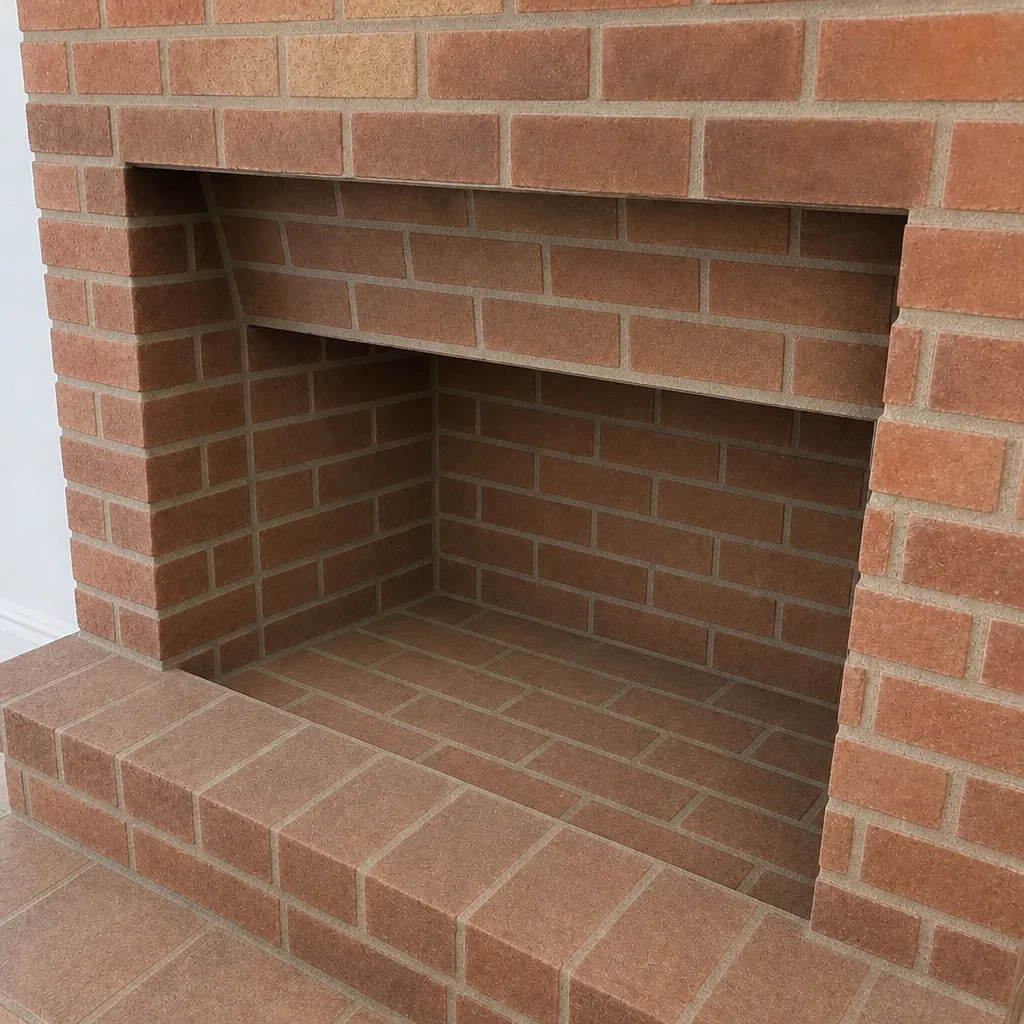
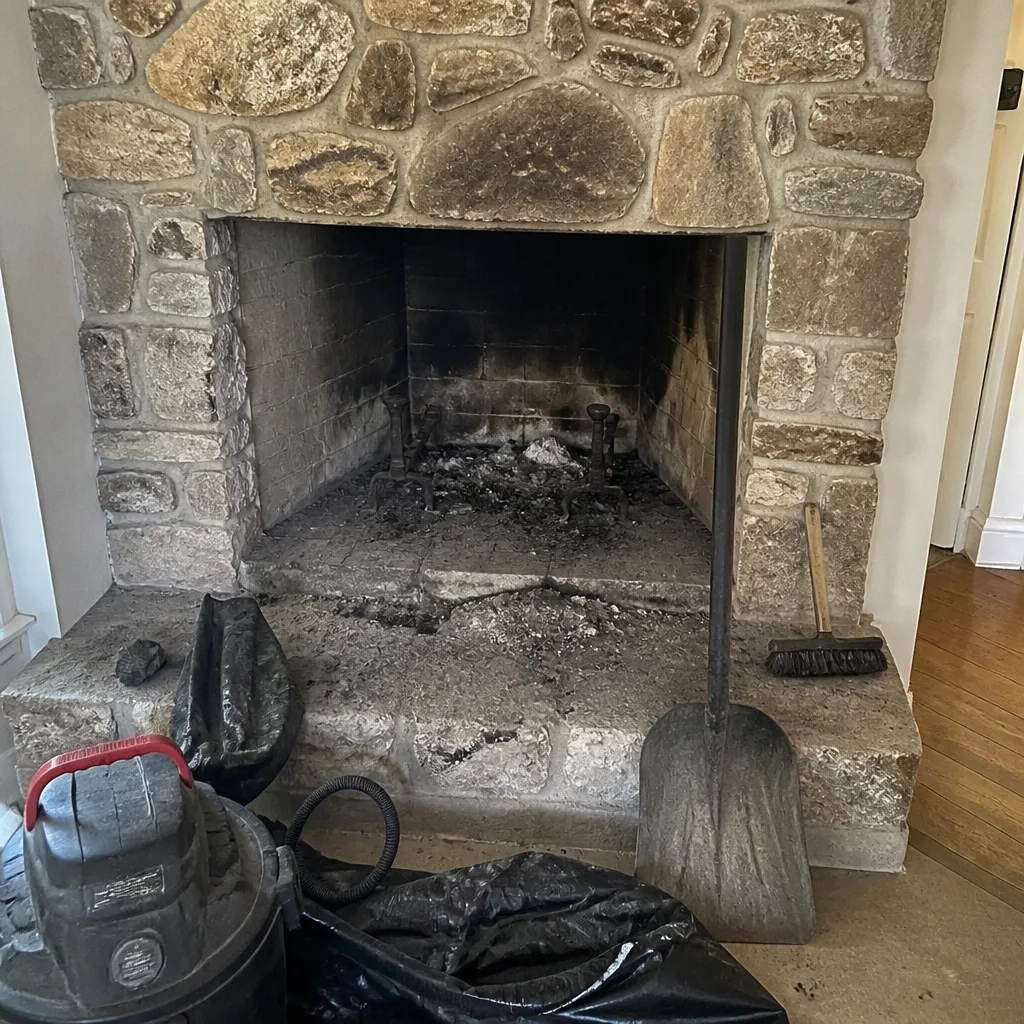 Before
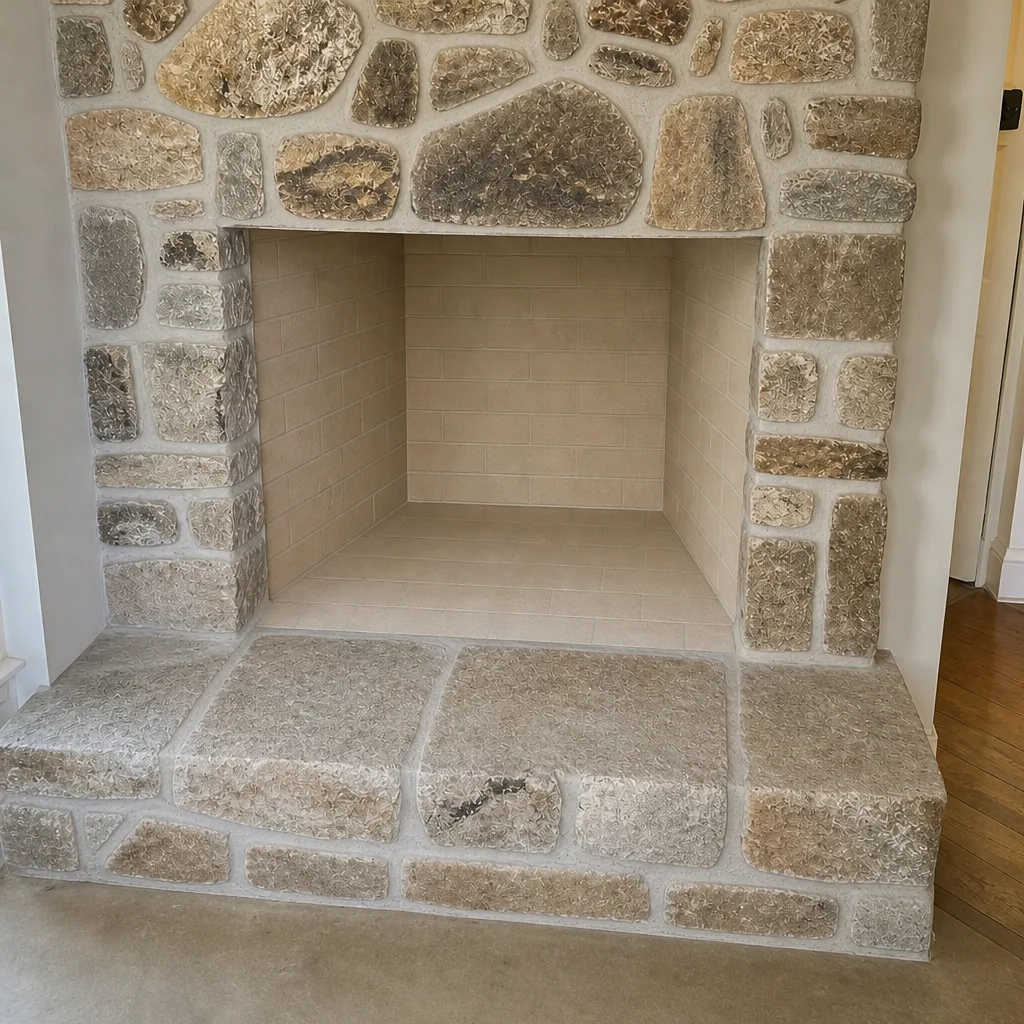 After
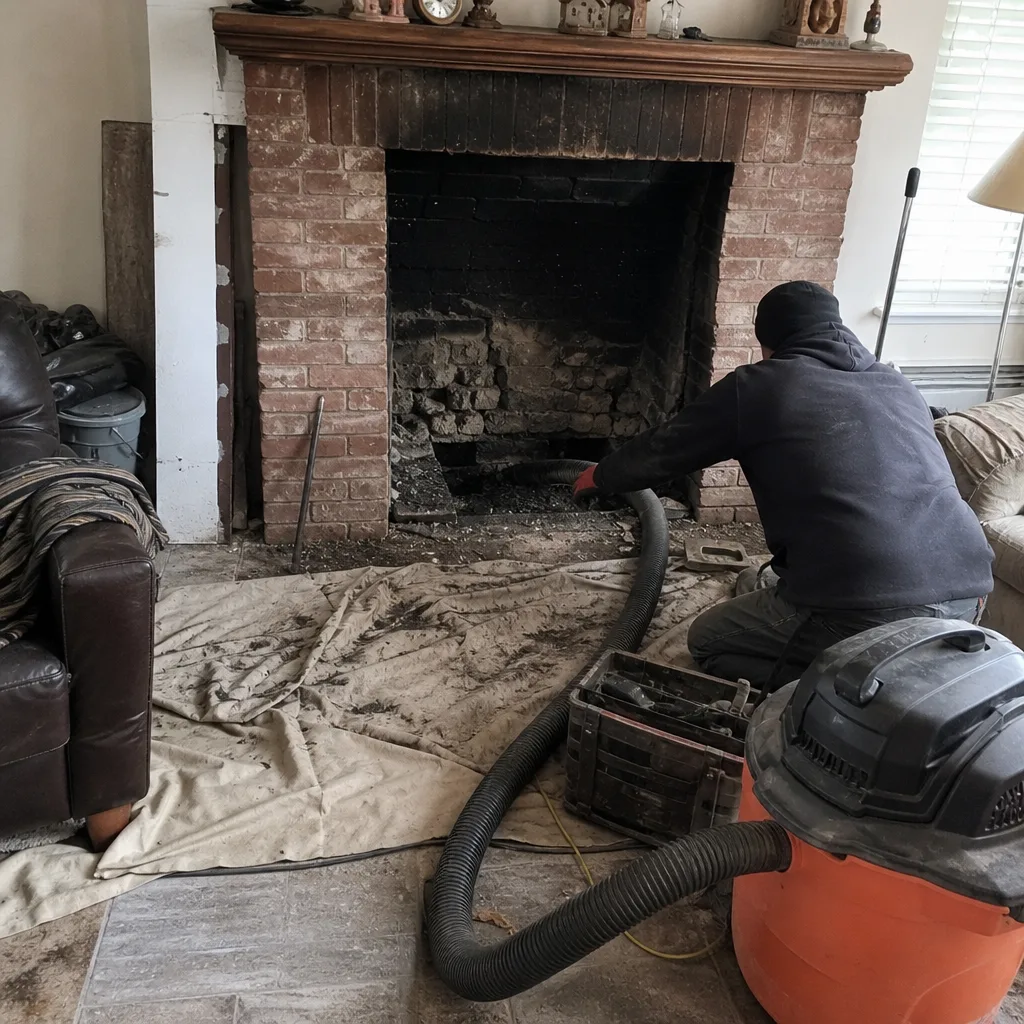
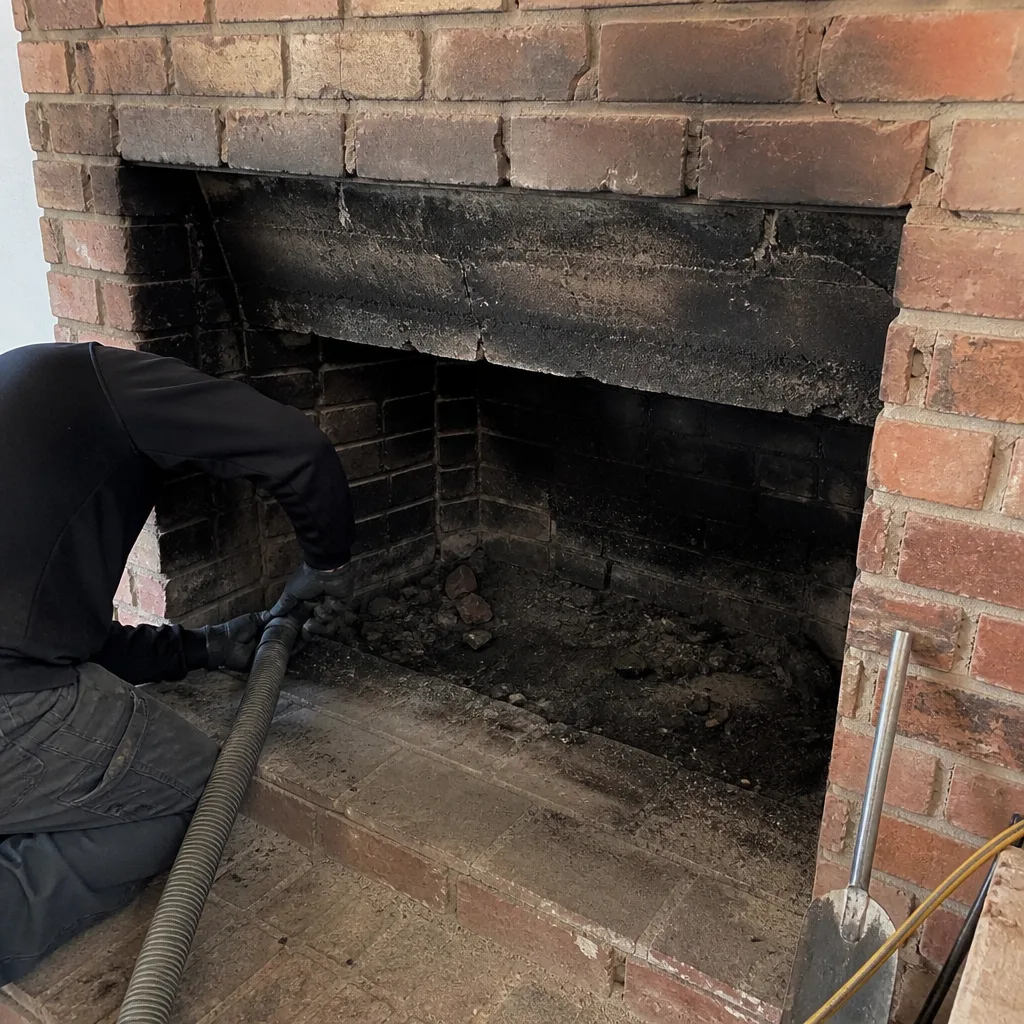 Before
 After
 Before
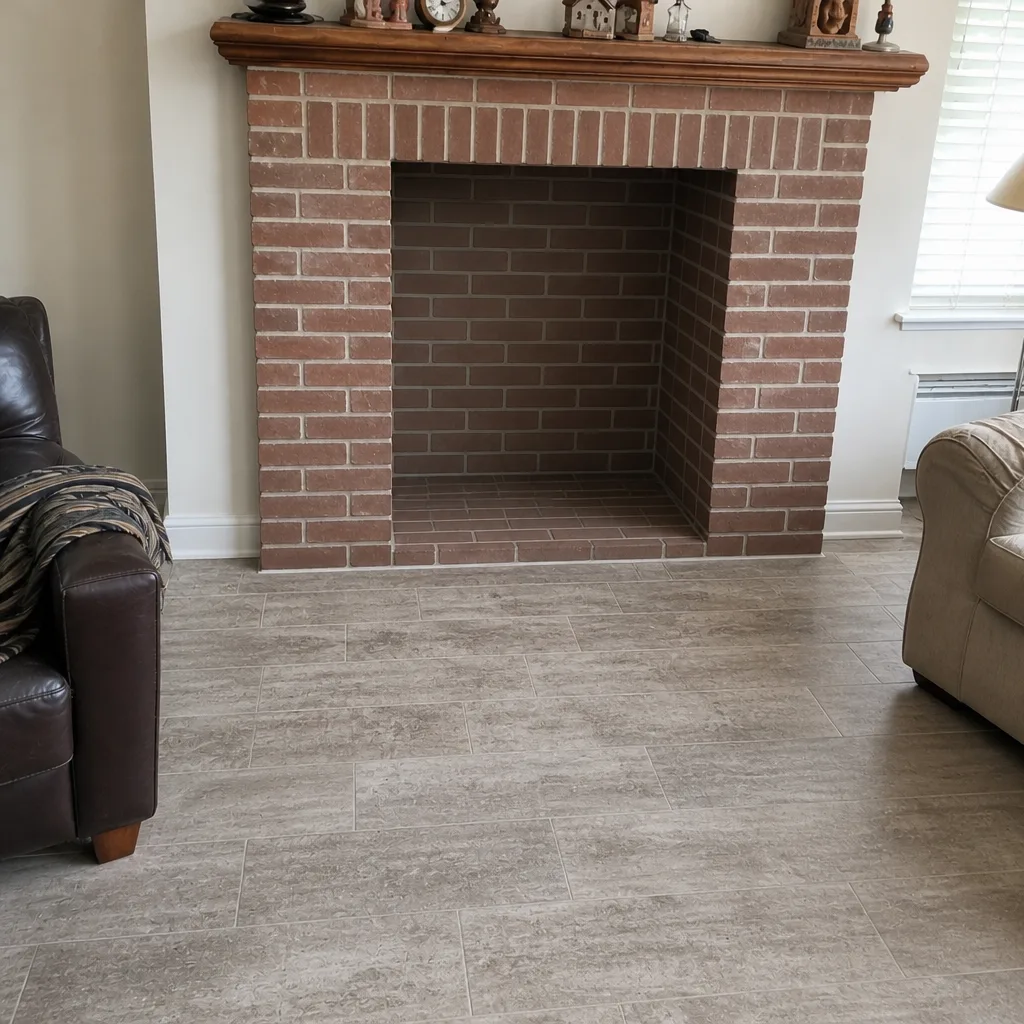 After
Frequently Asked Questions
Typical chimney sweep pricing depends on the flue, the level of creosote buildup, and whether inspection or minor repair is included; the written estimate sets the final price. Ask for a line-item estimate that separates the sweep from any inspection or repair work so you can compare quotes fairly. Call (877) 492-2418 for an exact quote. Estimates are free.
Yes, an annual liner assessment is worth doing because the liner is the barrier protecting your home from combustion gases. A liner can deteriorate gradually, and a visual check during the annual sweep catches problems before they become a safety issue. If the liner shows surface deterioration, resurfacing with HeatShield may be an option instead of full replacement. Call (877) 492-2418 to book an inspection.
A chimney sweep cleans the flue; a chimney specialist also inspects, diagnoses, and repairs the full system, including the cap, crown, liner, and firebox. Hiring a specialist means the same company handles the repair if the sweep turns up a problem, rather than referring you elsewhere. Ask on the first call which one you’re hiring.
Most chimneys should be swept annually, and more often if the fireplace is used heavily. The sweep removes creosote, which builds up with every fire and is the fuel for chimney fires. Booking before the season starts means any repair can be done before you need the fireplace. Call (877) 492-2418 to schedule.
Creosote accumulates in the flue with each fire, and at higher levels it becomes a fire hazard. A neglected chimney also lets small problems, like a cracked crown or a deteriorating liner, go unnoticed until they’re larger and costlier to fix. Skipping a year occasionally isn’t a crisis, but a chimney that goes multiple seasons without attention should be inspected. Call (877) 492-2418 for an assessment.
A handyman can run a brush through a flue, but most don’t inspect the liner, install caps and crowns, or perform liner and masonry repair. If something is found during the cleaning, you’ll need a specialist anyway. Hiring a full chimney contractor from the start avoids the second search. Call (877) 492-2418 to book a sweep with a specialist.
A chimney inspection covers the flue, firebox, cap, crown, and exterior masonry, with a written report and photos where a camera inspection is used. You’re not obligated to buy any repair, and a good technician will tell you what can wait. We don’t recommend work without camera evidence you can see for yourself. Call (877) 492-2418 to schedule an inspection.
Look for named professional-grade brands rather than generic substitutes, because product traceability tells you what’s actually being installed. We install and service DuraFlex flexible liner systems, HeatShield resurfacing, Gelco, Olympia Chimney, Famco, and Copperfield products. Ask any contractor which systems they work with and why. Call (877) 492-2418 with questions about materials.
The Bottom Line
The right way to hire a chimney contractor in Peralta Hills is to filter for capability before you compare price. Confirm the company sweeps and inspects, ask who handles repairs when something is found, and insist on a written, itemized estimate. Ask about the brands they install and whether they can do liner, cap, crown, and fireplace work in-house. A CSIA-certified technician is a good sign, but certification alone doesn’t tell you whether the company can fix what the sweep uncovers. Get the answers before you book, and you’ll avoid the most common mistake: hiring a sweep-only service and discovering the gap when it’s already cost you a second call.
If you’d like to talk through your chimney’s condition or book a sweep and inspection, call Chimney Sweep Peralta Hills at (877) 492-2418 for a free estimate. We answer 24/7. Fast dispatch from 7am to 7pm, Sunday through Friday. You can also learn more about our chimney sweep service and our full range of repair work at Chimney Sweep Peralta Hills.
Written by the team at Chimney Sweep Peralta Hills.