
Olympia Chimney Chimney Sweep in Peralta Hills: A Homeowner’s Guide
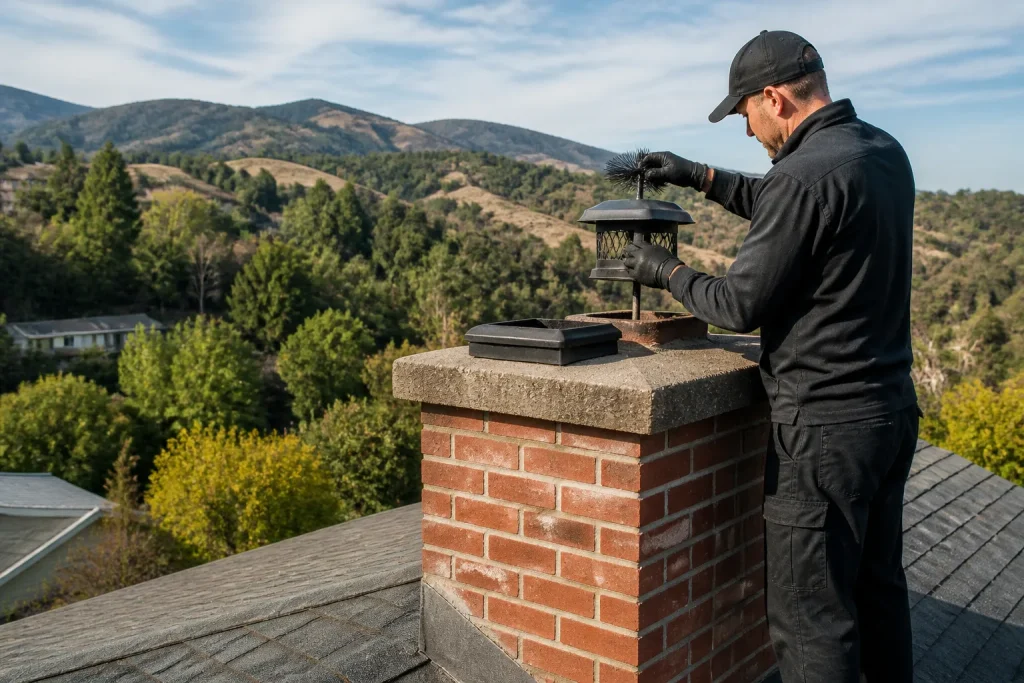
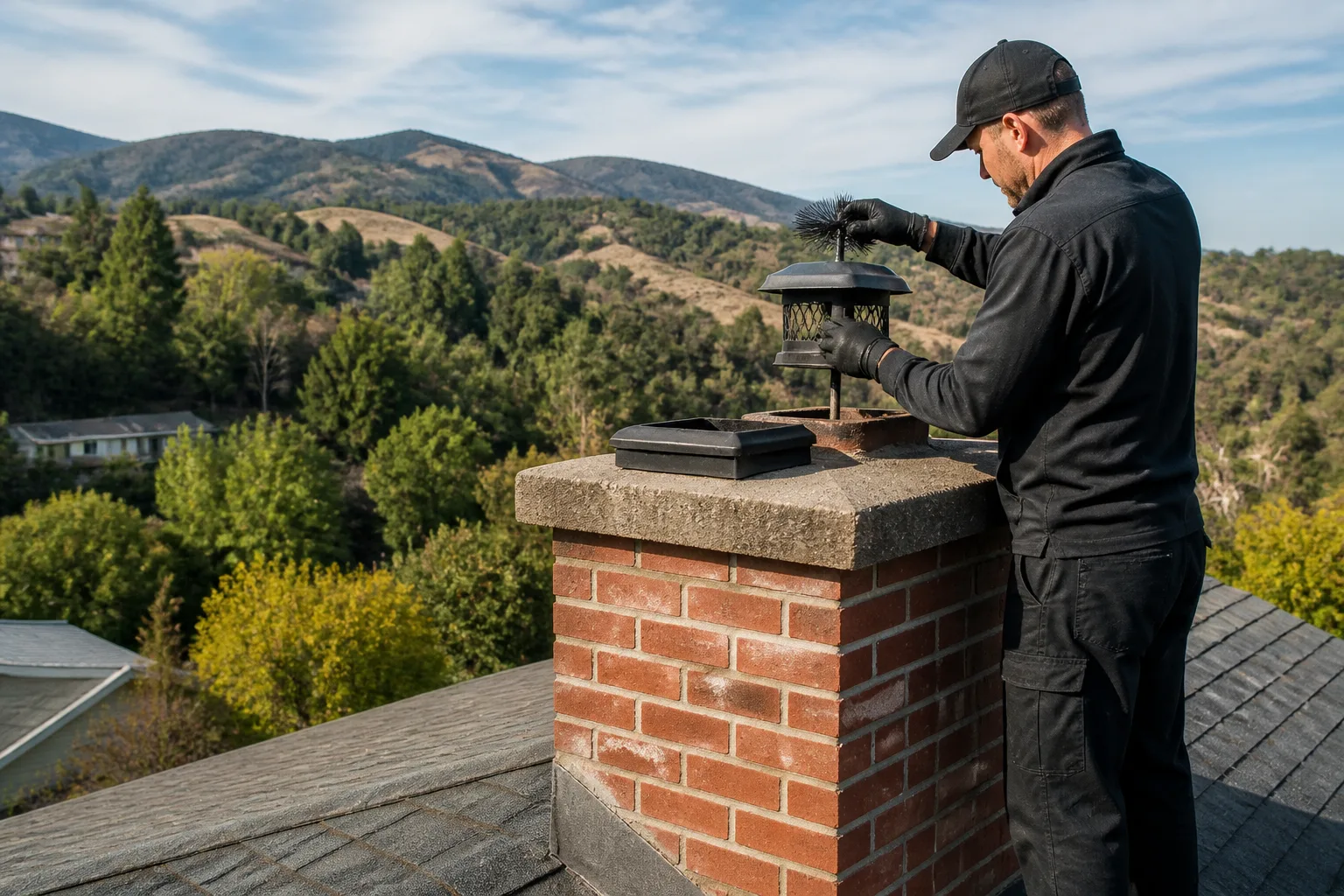
The chimney cap sitting on top of your flue might be aluminum from a hardware store or stainless steel from a professional supply house, and you’d have no way to know unless you asked before the job started. Olympia Chimney Supply is one of the professional distributors whose liners, dampers, and caps show up in quality chimney work across the trade. Understanding what their product line actually covers helps Peralta Hills homeowners see why material sourcing affects long-term chimney performance, not just installation day.
If you’d rather not sort through the details yourself, call (877) 492-2418. We answer 24/7. Fast dispatch from 7am to 7pm, Sunday through Friday, and estimates are free.
Key Takeaways
- Where your chimney components come from matters as much as who installs them.
- Stainless steel, galvanized, and aluminum parts behave very differently in Peralta Hills’ climate.
- Ask your chimney company where they source liners and caps before you agree to a replacement.
- Professional-grade supply access shortens turnaround and keeps warranty coverage intact.
- You can verify material quality after installation: model numbers and warranty paperwork should be in your hands.
What does Olympia Chimney Supply actually make, and why does it matter in Peralta Hills?
Olympia Chimney Supply is a professional distributor of chimney and venting components: flexible and rigid stainless liners, top-sealing dampers, chimney caps, and the connectors and adapters that tie a system together. These are the parts a chimney specialist reaches for when a flue needs relining or a cap needs replacing. They aren’t stocked at most hardware stores, and that’s part of the point.
Why it matters here comes down to how a Peralta Hills chimney actually lives. The air around this part of the valley carries moisture that works on metal over years, not months. A cap that looks fine on installation day can be pitted and thin a decade later if it was made from light-gauge aluminum. A liner that wasn’t built for continuous flue-gas exposure can fail in ways you won’t see from the firebox. Professional-grade components are specified to handle that exposure, which is why specialists who do this work every day tend to source from supply houses rather than whatever’s on the shelf at a general retailer.
Generalist handymen often sweep and stop there, or install whatever generic part they can order quickly. That works until the part fails early and you’re back to square one. The difference between a homeowner who gets fifteen quiet years out of a cap and one who replaces it every few seasons usually traces back to where the material came from.
If you want a specialist who works with named professional brands rather than unknown substitutes, our Chimney Sweep Peralta Hills team handles the full lifecycle: sweep, inspect, reline, cap, and repair.
How do stainless steel, galvanized, and aluminum components perform differently in Peralta Hills?
All three materials show up in chimney work. They’re not interchangeable, and the price difference between them reflects real performance differences that play out over years.
- Stainless steel is the standard for liners and long-life caps. It resists corrosion, handles high flue temperatures, and is what professional relining systems are typically built from. The upfront cost is higher; the lifespan is also longer.
- Galvanized steel is steel with a zinc coating. It performs well in drier conditions and is common in caps and some venting. Where moisture sits on the surface, the zinc coating gradually gives way, and once it does, rust starts underneath.
- Aluminum is light, inexpensive, and fine for some applications. It’s also the material most likely to be specified by budget-focused installs, and the one that shows its age fastest in a moist environment. It dents, oxidizes, and doesn’t handle heat the way stainless does.
Peralta Hills’ climate dials up the stakes on that last point. The moisture in the air here means the parts of your chimney that face the weather are under continuous load. A stainless cap and a stainless liner aren’t just premium options; they’re the ones that hold up when the environment isn’t doing them any favors.
We install and work with DuraFlex flexible stainless liners for exactly this reason. They’re built for continuous flue exposure, and they’re the kind of system a trained installer can specify with confidence rather than hope.
What should you ask your chimney company about component sourcing?
This is the question most homeowners skip, and it’s the one that separates a professional installation from a parts-swap. Ask it before the estimate is signed, not after the job is done.
- Which brand of liner or cap are you proposing? A specific answer beats a general one. “A stainless liner” is vague. “A DuraFlex liner” is specific, and specific is what you want.
- Why that product for my chimney? A professional will explain the flue’s condition and why the specified material fits it. A generalist will tell you it’s “the standard one.”
- Will I get the manufacturer’s model number and warranty documentation? You should. If the answer is vague, that’s your answer.
- Do you install the repair hardware as well as the sweep? If the answer is “we’ll refer you,” you’re about to become a project manager for your own chimney.
- What happens if the inspection finds a problem the sweep didn’t? A specialist who handles cap, crown, and liner work can fold it into the same service visit. A sweep-only operation can’t.
We work with a curated roster of professional brands: Gelco, Olympia Chimney, Famco, and Copperfield among them, alongside DuraFlex and HeatShield. The reason isn’t brand loyalty for its own sake. It’s that these manufacturers stand behind their products with documentation, and documentation is what backs the work when something needs to be verified years later. A generic cap with no paperwork is a dead end if it fails.
Why does supply-chain access affect turnaround and warranty backing?
When a company has direct access to professional distribution, the timeline from inspection to completed repair shortens. The liner gets specified, ordered, and delivered without a middle step of hunting down a part, and the installer already knows the system, so there’s no improvisation on the day. When access is missing, the whole job waits on sourcing, and the sourcing is often a guess.
Warranty backing is the quieter benefit. Professional-grade products come with a manufacturer’s warranty that names a specific product and specific installation expectations. If a company sources from a general retailer, the warranty is either nonexistent or the kind that covers a part but not the labor, and often not both. A repair that’s backed by the manufacturer and installed to spec is a different asset than a repair that’s just done.
The other piece is callbacks. If a cap fails a year after installation, whose problem is it? A company that sourced from a professional brand can pursue a warranty claim because there’s a claim to pursue. A company that used an unknown substitute has nowhere to go, which usually means the homeowner does.
From the firebox to the crown, we handle it all: sweep, inspection, liner work, and chimney cap & crown in one service relationship, so there’s no second contractor to track down when the inspection reveals a problem.
How do you verify material quality after installation?
You don’t have to take anyone’s word for it. Verification is straightforward, and a specialist should hand you everything you need without being asked.
- Model numbers. Every professional component has one. Note it and keep it with your home records.
- Warranty documentation. Manufacturer warranty paperwork should name the product installed and the installation expectations. If it doesn’t, ask why.
- Photos before and after. A camera inspection produces visible evidence of the flue’s condition and the finished install. Ask for both.
- Visual check at the cap. From the ground, look at the cap material: stainless should look bright and uniform, not chalky or pitted. If it’s aluminum, the lifespan expectation changes and you should know that before the install, not after.
This matters most in Peralta Hills because the moisture in the air here is a slow, steady stress on metal components. You won’t see a failing cap until it’s badly failing. Documentation and model numbers are how you catch it early.
Our technicians have up to 14 years of experience working with these systems, and we won’t recommend a replacement part we can’t back with paperwork. Nothing gets recommended without camera evidence you can review yourself, and we’ll tell you plainly when a repair can safely wait.
When should you call a professional instead of waiting?
Some chimney work is maintenance, and some is a safety call. A sweep is routine. A liner that’s cracked or deteriorated is not. If you’re seeing creosote buildup that’s heavy and glazed, a draft that’s gotten worse, smoke that backs into the room, or a cap that’s rusted through, it’s time to stop waiting. Carbon monoxide and chimney fire risk are real, and neither shows up on a visual check from the living room.
We always recommend a trained professional for liner, flue, and structural work. These aren’t DIY jobs, and a flue that’s damaged is a hazard the whole house shares. The good news is that most chimney issues are caught early and fixed affordably when a specialist inspects before the season starts.
Our chimney sweep and fireplace repair services cover both the routine sweep and the repair side of the work, so one call gets you a clear picture of what’s inside your flue and what needs attention.
Why choose a chimney specialist over a generalist?
Generalist handymen can sweep. Many of them do. What they often can’t do is reline a flue, apply a HeatShield resurfacing system to a deteriorating liner, install a correctly sized stainless cap, or back any of it with manufacturer documentation. Those are repair-tier skills, and they’re the difference between a company that cleans your chimney and one that can keep it sound.
For Peralta Hills homeowners, that translates to a single relationship rather than a relay. You call one specialist. That specialist inspects, sweeps, identifies the source of any problem, and handles the fix with a product from a professional brand. No referral chain. No generalist trying to source a liner they don’t normally install. No gap between the sweep and the repair while you wait.
One call, one specialist. That’s the model we work by, and it’s what professional component sourcing is really about.
The Bottom Line
Olympia Chimney Supply and the other professional brands we install aren’t a marketing detail; they’re the reason a chimney job lasts. The product range covers liners, dampers, and caps built to handle the moisture that hangs in Peralta Hills’ air, and professional access to that supply affects turnaround and warranty backing on every job. Ask your chimney company specific questions about sourcing, insist on model numbers and warranty paperwork, and choose a specialist who can handle the sweep and the repair under one roof. If you’re in Peralta Hills and need help, Chimney Sweep Peralta Hills offers free estimates. Call (877) 492-2418. We answer 24/7. Fast dispatch from 7am to 7pm, Sunday through Friday.
Frequently Asked Questions
Olympia Chimney Supply is a professional distributor of chimney and venting components, including flexible and rigid liners, top-sealing dampers, and chimney caps. Those are the parts a chimney specialist turns to when a flue needs relining or a cap needs replacing. Their products show up in quality chimney work because they’re built for continuous flue exposure and come with manufacturer documentation.
Pricing depends on the flue’s condition, how many flues you have, and whether the sweep turns up repair work. The written estimate sets the final price, and the estimate itself is free. Call (877) 492-2418 for an exact quote. We answer 24/7. Fast dispatch from 7am to 7pm, Sunday through Friday.
A liner should only be replaced when there’s visible evidence the old one is failing: cracks, gaps, corrosion, or a flue that no longer matches the appliance. We don’t recommend liner work without camera evidence you can review yourself, and we’ll tell you plainly when a repair can safely wait. Nothing is recommended on a handshake, and if the flue is sound, we’ll say so.
Creosote builds up on the flue’s interior over time. When it accumulates enough, it can ignite, and a chimney fire can damage the flue and spread beyond it. Skipping the sweep also lets small liner damage go unnoticed, which opens the door to carbon monoxide moving into living space. A sweep and inspection catch those conditions before they become a real problem.
Written by the team at Chimney Sweep Peralta Hills.
Need Chimney Cleaning Help?
Call Chimney Sweep Peralta Hills - the local pro we connect you with is licensed and insured, with free written estimates in Peralta Hills.
(877) 492-2418