
Last updated November 25, 2026
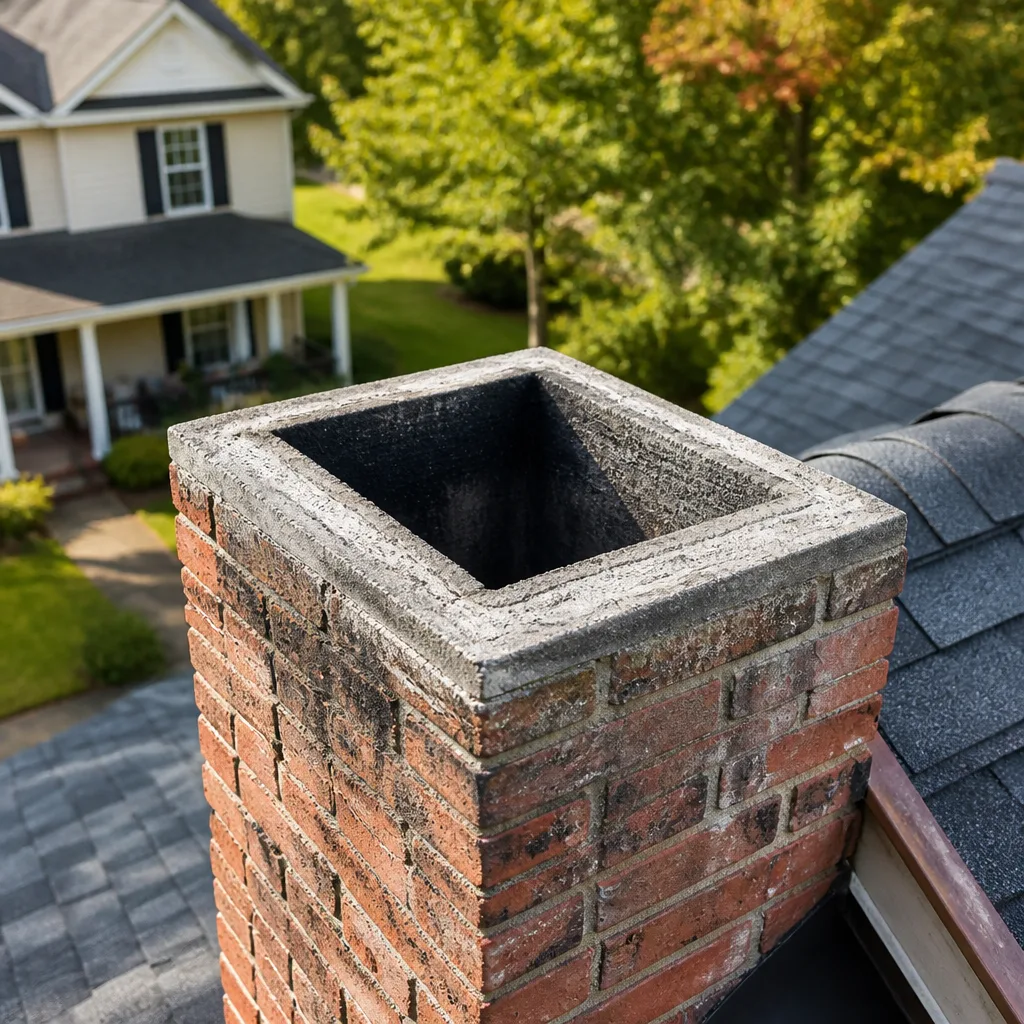 Sweep & inspection
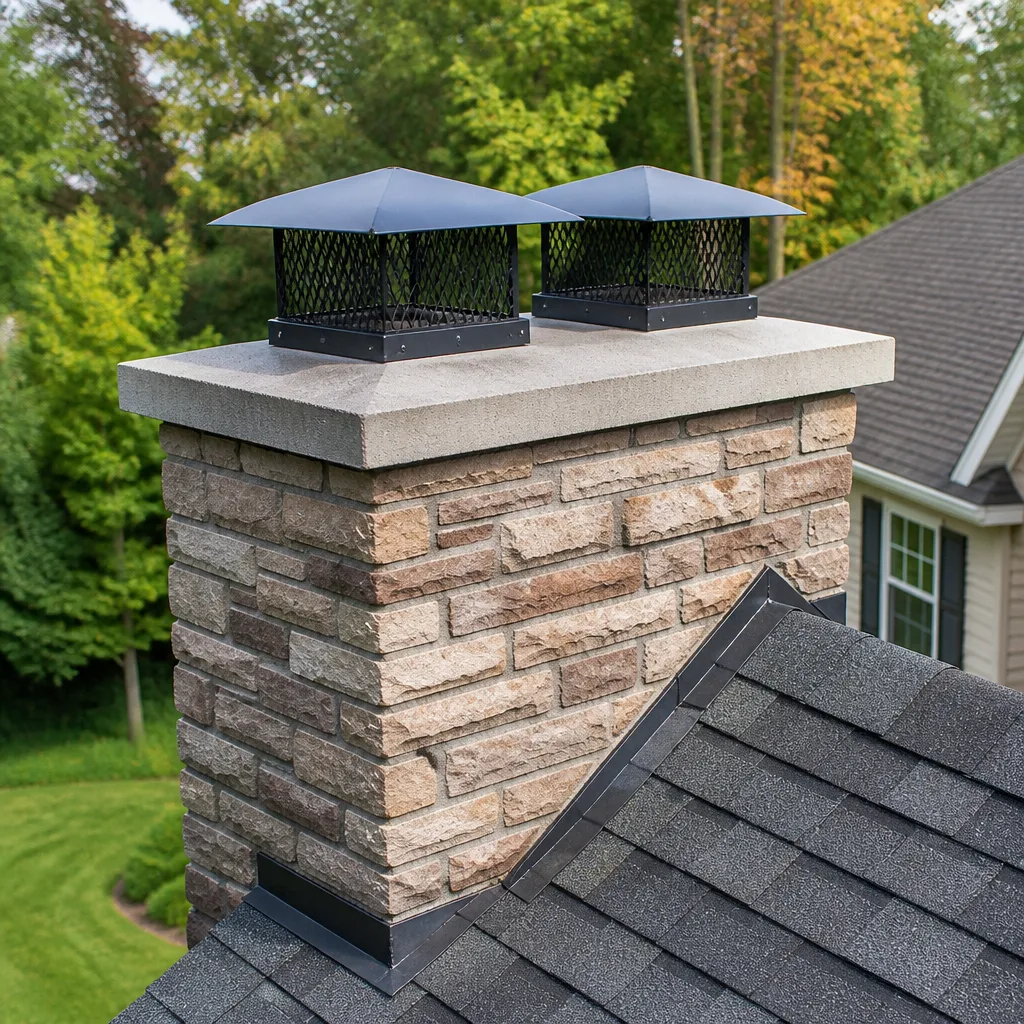 Caps & crowns
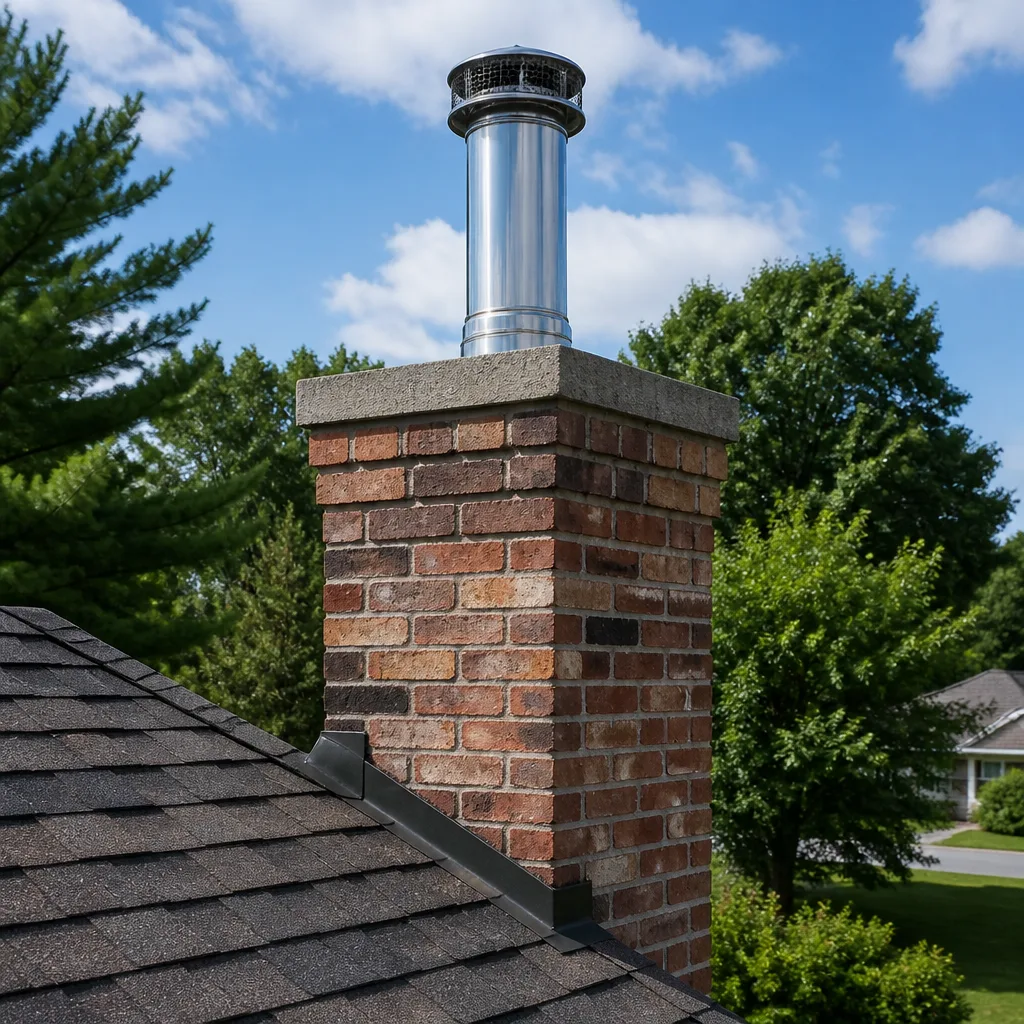 Flue relining
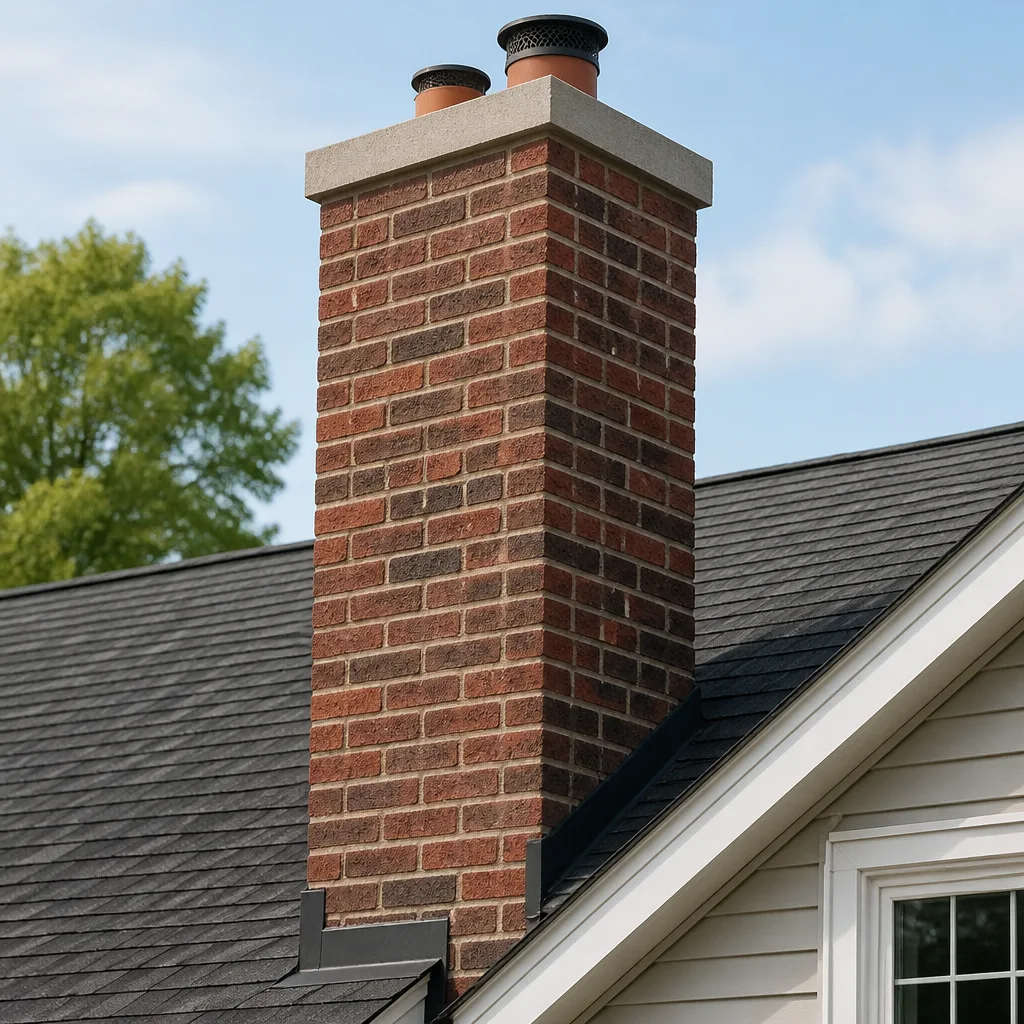 Masonry repair
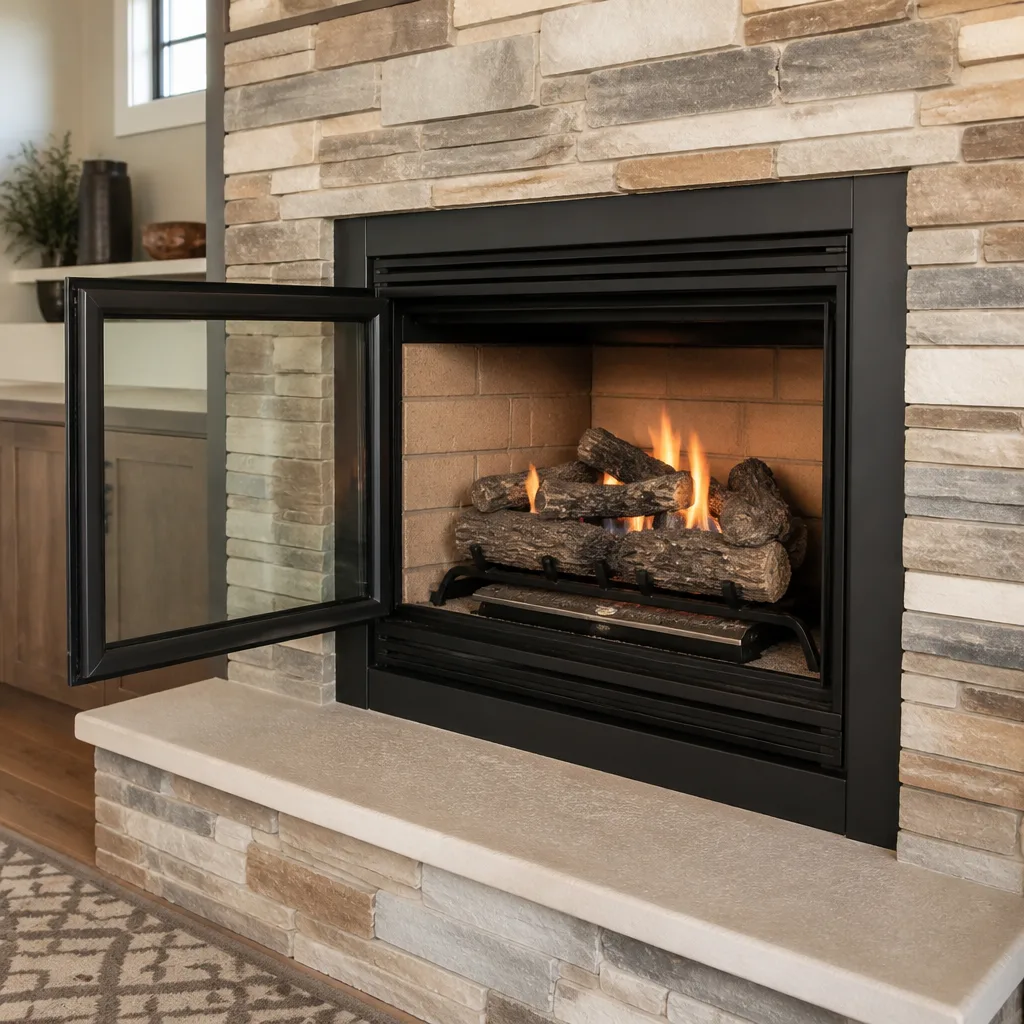 Gas fireplace service
Level 1 sweep and inspection to the NFPA 211 annual standard - flue, crown, cap, and flashing checked and photographed
Chimney sweep logs do not sweep chimneys. They loosen some creosote - which then falls where a brush and vacuum still have to collect it.
Chimney Cleaning Emergency Preparedness Guide for Peralta Hills Homes
Most homeowners in a high fire-risk area think about their roof, their gutters, and the brush on the hillside behind the house. Almost none of them think about the inside of their chimney. That’s the gap this guide closes. A neglected flue doesn’t need a wildfire to start a fire; the creosote lining it can ignite on its own during the very wind events that make a bad fire season worse. Over the next several sections we’ll walk through what Fire Hazard Severity Zone designation means for your chimney, how to time your pre-season cleaning, what an ember-resistant cap actually does on a hillside, and how to document everything so your insurer isn’t arguing with you later. This is written for Peralta Hills homeowners who want to be ready before the Santa Ana winds arrive.
Quick Answer
Emergency-ready chimney maintenance in Peralta Hills means three things done before fire season: a professional sweep to clear creosote, a full inspection that documents the flue and crown condition with photos, and an ember-resistant cap rated to keep wind-blown sparks and embers out of the flue. Schedule the sweep in late summer or early fall, well before the first strong wind event, so there’s time for any repair the inspection turns up. A clean, capped, documented chimney is the version of your home you want sitting in a fire-hazard-severity zone.
Styles & brands we work with
- Sweep & inspection
- Caps & crowns
- Flue relining
- Masonry repair
- Gas fireplace service
Table of Contents
- What Fire Hazard Severity Zone Designation Means for Your Chimney
- The Pre-Fire-Season Cleaning Timeline for Peralta Hills
- What a Fire-Season Inspection Should Actually Cover
- Ember-Resistant Caps for Hillside Homes
- What to Do Immediately After a Chimney Fire
- Documenting Chimney Condition for Insurance
- Creosote: The Fuel You Can’t See
- Common Mistakes to Avoid
- When to Call a Professional
What Fire Hazard Severity Zone Designation Means for Your Chimney
Peralta Hills sits inside a designated Fire Hazard Severity Zone, which is the state’s way of mapping where wildfire risk is highest based on terrain, fuel load, and weather patterns. What that designation tells a homeowner, practically speaking, is that the conditions for a dangerous fire already exist on the hillside. Your chimney adds a second ignition path that has nothing to do with the brush outside. If the flue is coated with creosote and a strong wind pushes a hot ember or a spark out of the firebox and up the stack, you now have two fire risks instead of one.
FHSZ designation doesn’t come with a chimney-specific code requirement, so don’t expect a building inspector to check your flue. What it does mean is that the margin for error is thinner here than on a flat suburban lot. A system that might be “fine for now” in a mild-risk area is a different calculation on a hillside where the vegetation is dry and the winds are strong. The standard most chimney professionals follow is the National Fire Protection Association’s NFPA 211, which sets inspection levels and recommends an annual inspection and cleaning based on use. In a fire-hazard-severity zone, treat that annual inspection as the floor, not the ceiling.
Here’s what the designation should change about how you think about your chimney:
- Wind exposure matters more. Hillside homes catch stronger, more sustained wind. That drives embers and sparks toward your roofline and into any opening, including an uncapped flue.
- Dry fuel around the house raises the stakes. If a spark escapes the chimney and lands on dry vegetation or a combustible roof edge, it finds fuel fast in a Peralta Hills summer.
- Documentation has real value. After a fire or wind event, insurers and fire agencies ask what condition your system was in. A pre-season inspection report answers that question before it’s asked.
If you’ve never had your chimney looked at since buying in Peralta Hills, start with a Chimney Sweep Peralta Hills to establish a baseline. Everything else in this guide builds on knowing what’s actually inside your flue.
The Pre-Fire-Season Cleaning Timeline for Peralta Hills
The right time to schedule your chimney cleaning in Peralta Hills is late summer into early fall, before the Santa Ana winds pick up and before you light the first fire of the season. Booking early gives you room to handle any repair the inspection finds instead of scrambling. It also means your system is clean and documented before the highest-risk weeks of the year.
Here’s a timeline that works for a hillside home in a fire-hazard-severity zone:
- Late summer (roughly August to early September): Schedule your sweep and inspection. If you burned heavily last season, don’t wait. Creosote builds up faster than most people assume, and a heavy-use year can leave enough to matter.
- At the sweep: Have the technician clean the flue and firebox, then inspect at the level your situation calls for. Ask specifically about the crown, cap, and any visible liner damage.
- Early fall: Complete any recommended repair, whether that’s a new cap, crown work, or liner resurfacing. Repairs done now aren’t competing with fire-season demand.
- Before the first fire: Do a walk-around. Confirm the cap is secure, the crown isn’t cracked, and there’s no bird nest or debris visible at the top of the flue.
- After the season: A quick seasonal check catches anything that shifted. Save the paperwork with your inspection report.
We say late summer because that’s when a hillside home has the most runway before wind season and the least competition for scheduling. Spring is a fine alternative if you missed the window, but don’t push it into the windy weeks. A chimney sweep done in the off-season keeps you ahead of the risk rather than reacting to it.
What a Fire-Season Inspection Should Actually Cover
A fire-season chimney inspection in Peralta Hills should go well beyond a glance up the flue. It should document the condition of the whole system, from the firebox to the crown, and it should leave you with photos and notes you can keep. NFPA 211 defines inspection levels, and the level you need depends on your circumstances. A pre-season check for a home you’ve lived in for years may be a Level 1. A newly purchased home, or one that’s had a fire or a chimney fire, calls for something more thorough.
Here’s what a proper inspection should cover:
- The flue interior: Creosote thickness, glazing, cracks, gaps, and the condition of the liner, whether clay tile or stainless.
- The firebox and damper: Cracks in the firebox, how the damper seals, and any signs of overheating.
- The crown and the cap: Cracks in the crown that let water in, and whether the cap is rated to keep embers out.
- The chimney exterior and flashing: Mortar joints, spalling, and how the flashing meets the roof, all of which affect water intrusion.
- Documentation: Photos of each area and a written summary of any defect. Ask for it if it isn’t offered.
You can see the inspection gaps for yourself, which matters in a fire-risk zone. If a technician can’t show you a photo of the problem, you’re being asked to take a recommendation on faith. We connect you with local professionals who include camera inspection and a photo report so you know what’s inside before you light the first fire of the season. That’s the whole point of inspecting in advance.
Ember-Resistant Caps for Hillside Homes
A standard chimney cap does one job well: it keeps rain, birds, and debris out of the flue. On a Peralta Hills hillside, that’s not enough. In a high wind event, an open or loosely screened flue becomes a funnel for embers and sparks driven through the air. An ember-resistant cap is built to stop them. The difference is the screen and the fit. A cap designed for fire exposure uses a tighter, sturdier mesh and a housing that seals to the crown so the only path into the flue is blocked.
Why standard caps fall short on a hillside:
- Wide mesh lets embers through. A decorative cap with an open weave stops birds but not fine embers carried on a gust.
- Loose fits rattle open. Constant wind works a poorly anchored cap loose, and a dislodged cap leaves the flue exposed.
- Cheap screens corrode and fail. The mesh on a low-grade cap can burn through or rust out, opening a gap exactly when you need it closed.
On a hillside home, the cap and crown are the barrier that protects everything below. We work with brands like Gelco and Olympia Chimney for caps and crown materials because they’re made for this exposure, and the fit is part of the job. If your crown is cracked, water gets past the cap’s protection and into the chimney structure; that’s why chimney cap & crown work belongs together. A cap bolted onto a failing crown is a partial fix. Ask for both.
What to Do Immediately After a Chimney Fire
A chimney fire can be loud and obvious, or it can be quiet and nearly invisible. The quiet kind is the dangerous one because it’s easy to dismiss. If you’ve had a chimney fire, even one that “seemed minor,” stop using the fireplace until a professional inspects the flue. Creosote fires can crack the liner and damage the crown without obvious signs from inside the room. Continuing to burn in a damaged flue is how a small event becomes a serious one.
Here’s what to do after a chimney fire, in order:
- Make sure it’s out. Don’t add fuel, and don’t assume it’s over because the noise stopped.
- Stop using the fireplace entirely. No more fires until it’s been inspected and cleared.
- Check for signs of damage. Look at the cap and crown from the ground if you can do so safely, and watch for cracks in nearby masonry. Don’t climb onto the roof.
- Call for a professional inspection. A post-event inspection is a defined level under NFPA 211, and it’s exactly the situation it’s designed for.
- Document everything. Photos and the inspection report are what your insurer will want to see if a claim comes up.
- Get the repair done before you burn again. Liner resurfacing, a new cap, or crown work may be needed. Don’t burn around a known defect.
“It seemed minor” is the sentence we hear most often before a homeowner learns the flue has a crack. The fire may have been brief, but the damage to a clay liner doesn’t announce itself. A fireplace repair visit after a chimney fire is how you find out what actually happened. In a fire-hazard-severity zone, you don’t want a damaged flue waiting for the next wind event.
Documenting Chimney Condition for Insurance
Chimney documentation in Peralta Hills has two audiences: your insurer and yourself. Before fire season, you want a record of the system’s condition so that if a chimney fire or wind event causes damage, you can show what state the chimney was in beforehand. After the season, you want a fresh record so any change is on file. Insurers and fire agencies respond to dated photos and a written inspection report, not to memory.
Build a simple chimney file and keep it current:
- Pre-season inspection photos. Flue, firebox, crown, cap, and the chimney exterior, dated.
- The written report. Any defects noted, and what was done about them.
- Repair records. Receipts and photos of any cap, crown, or liner work you’ve had done.
- Post-event documentation. If a fire or wind event affects your home, add photos and the post-event report.
We see the same pattern across Peralta Hills: homeowners with good documentation get through an insurance conversation faster than those without. A standalone inspection is a service in its own right, aligned with NFPA 211 for pre-sale, post-event, and annual assessments, and it gives you the record you need. One call, one specialist, and you’ve got the file built.
Creosote: The Fuel You Can’t See
Creosote is the residue that forms when wood smoke cools as it rises up a flue. It’s tar-like, it’s flammable, and it comes in three stages, from soft and flaky to a glazed, hardened coating that clings to the liner. The glazed stage is the dangerous one, and it’s the one you can’t see from the firebox. All you know is that the fireplace worked last season, so it must be fine. That assumption is what makes creosote a fire risk in a high wind zone: the fuel is already in the flue, and a wind event supplies the heat and the spark.
You can slow creosote buildup, though not eliminate it, with a few habits:
- Burn seasoned wood. Wet wood smokes more and leaves more residue.
- Don’t choke the fire. A smoldering fire deposits more creosote than a hot one.
- Get a real sweep, not a brush-down. A proper sweep clears the flue, and the inspection that follows catches the glaze.
When the glaze is there, a standard sweep alone may not fix it. HeatShield is a certified chimney resurfacing system used to restore deteriorating flue liners without full replacement, and it’s the kind of repair a sweep-only service can’t do. We work with it because glazed, cracked liners are common in fire-risk areas where heavy burning meets a flue that hasn’t been resurfaced in years. If the inspection shows a lining problem, you want a specialist who can address it in the same visit, not refer you to someone else.
Common Mistakes to Avoid
- Skipping the pre-season sweep because you “barely burned.” Even light use deposits creosote, and a fire-hazard-severity zone doesn’t leave room for guessing.
- Using a decorative cap on a hillside home. A cap built for looks won’t stop embers on a windy day. Get one rated for exposure.
- Ignoring a chimney fire that “seemed minor.” A quiet fire can crack a liner. Stop using the fireplace until it’s inspected.
- Accepting a repair recommendation with no photo. You shouldn’t be asked to pay for liner or masonry work you can’t see the evidence for.
- Replacing a failed cap without fixing the crown. Water gets in through the crown and damages the structure below. Cap and crown belong together.
- Letting a generalist do repair work they can’t do. A sweep-only service cleans and leaves. If the inspection finds damage, you want a specialist who can handle the repair.
- Burning in a flue that’s never been inspected. New homeowners in Peralta Hills shouldn’t light a fire before a full inspection, especially in a fire-risk area.
When to Call a Professional
Call a professional for a pre-fire-season sweep and inspection if you burned last season and haven’t had the flue cleaned. Call after any chimney fire, even a small one, before you light another fire. Call if the cap is loose, missing, or a standard style that won’t stop embers on a wind event. Call if you see cracks in the crown, crumbling mortar, or signs of water getting into the masonry. If you’ve bought a home in Peralta Hills and don’t know the last time the chimney was inspected, call. We connect you with local professionals who handle the sweep, the inspection, and any repair the inspection finds, so you’re not starting over with a second contractor. Chimney Sweep Peralta Hills offers free estimates in Peralta Hills. Call (877) 492-2418. We answer 24/7. Fast dispatch from 7am to 7pm, Sunday through Friday.
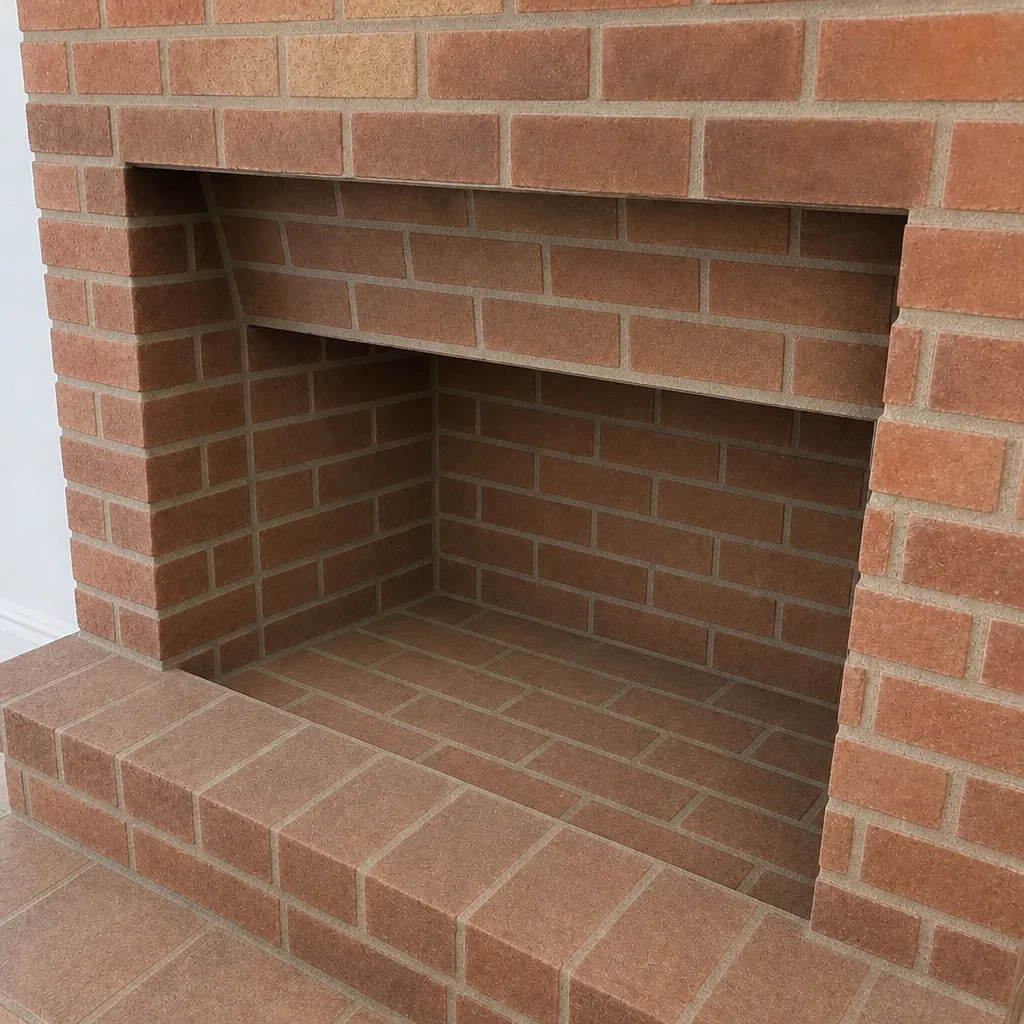
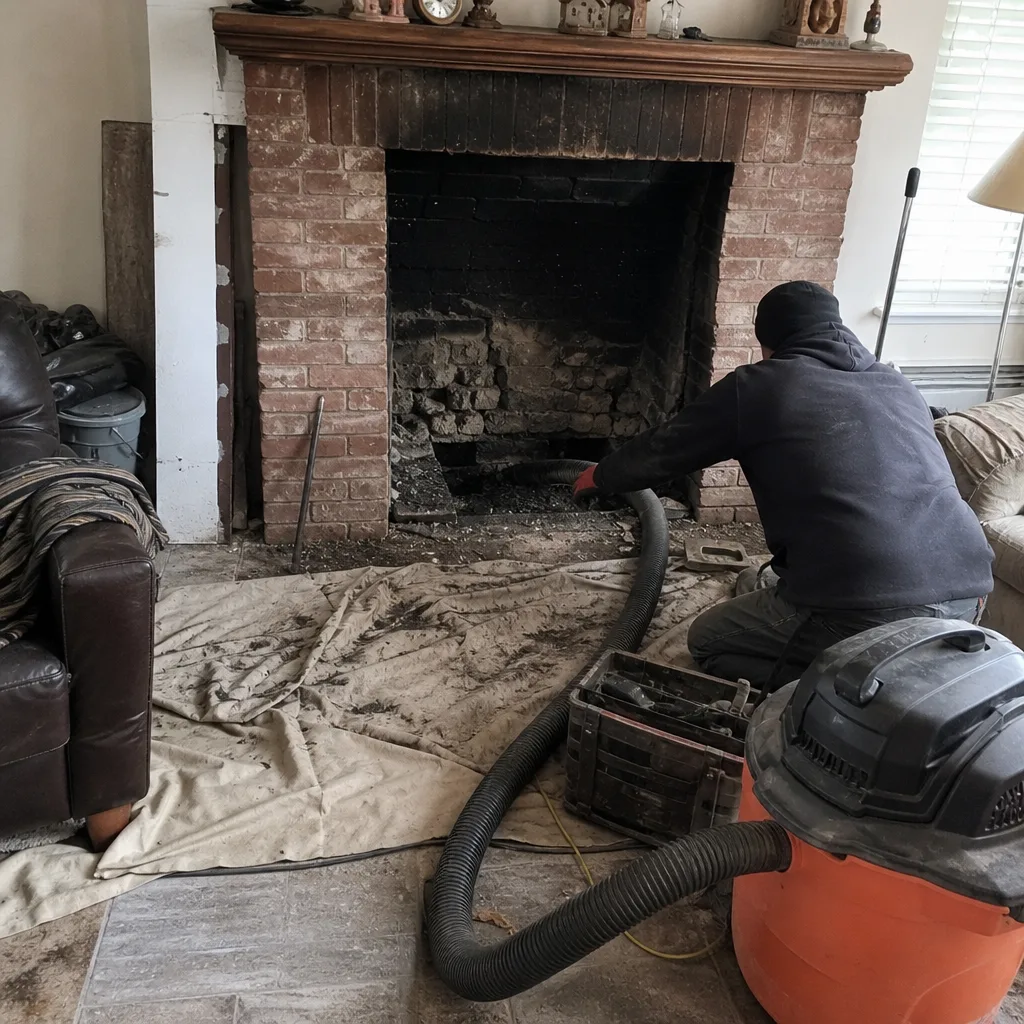
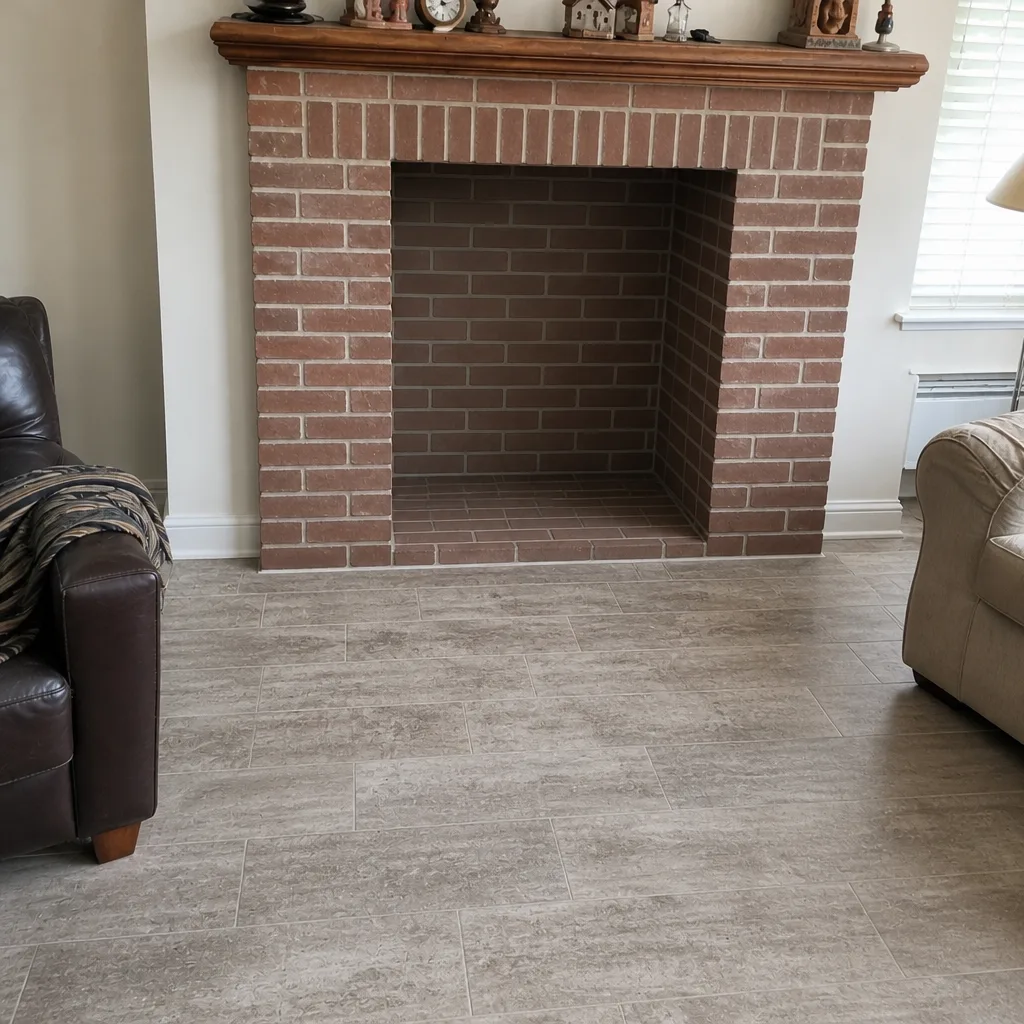
See the difference
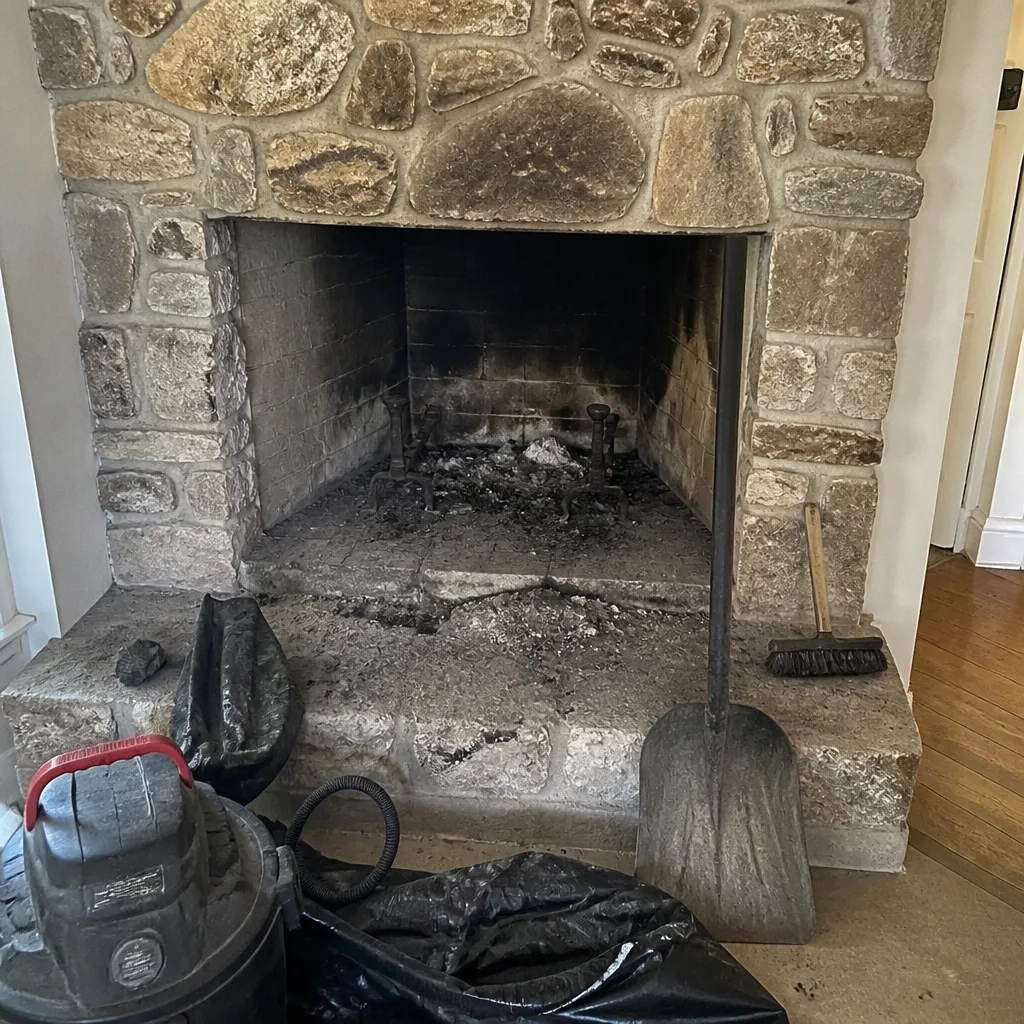 Before
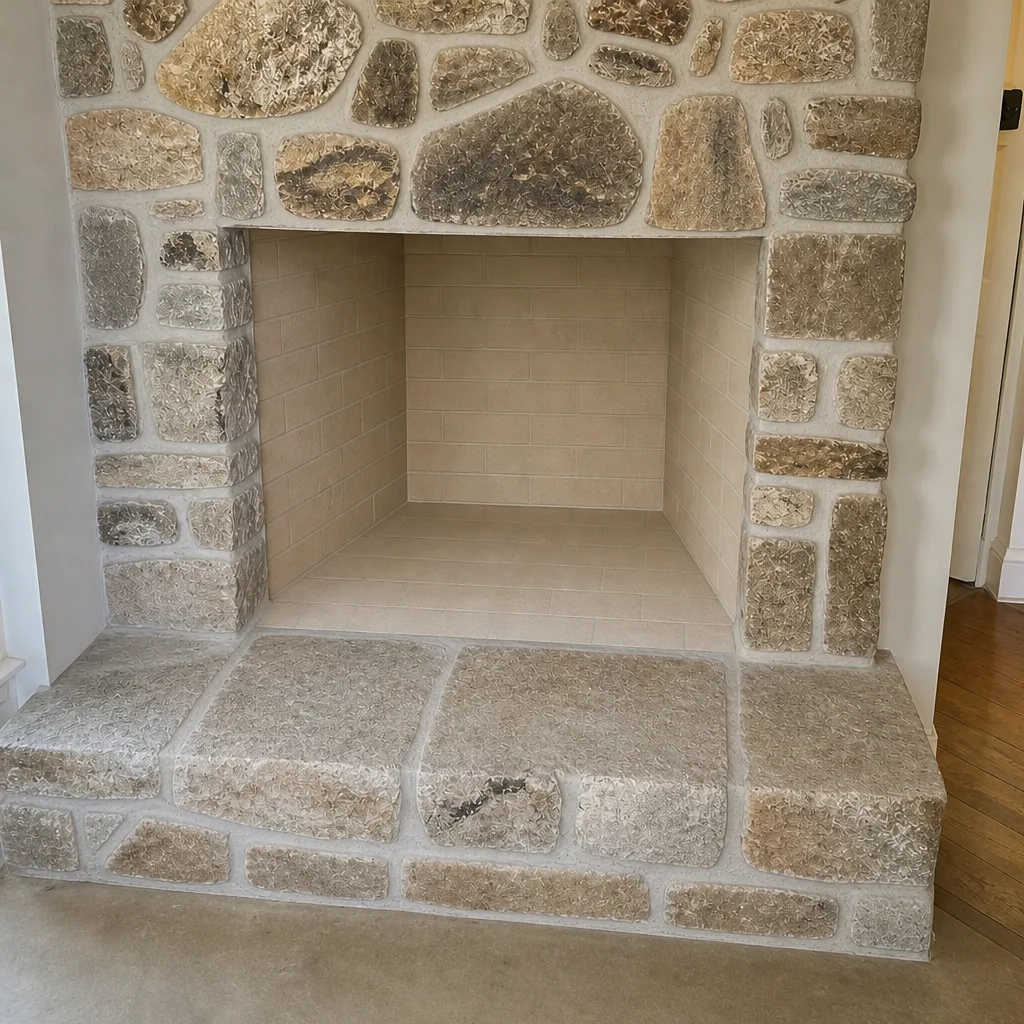 After
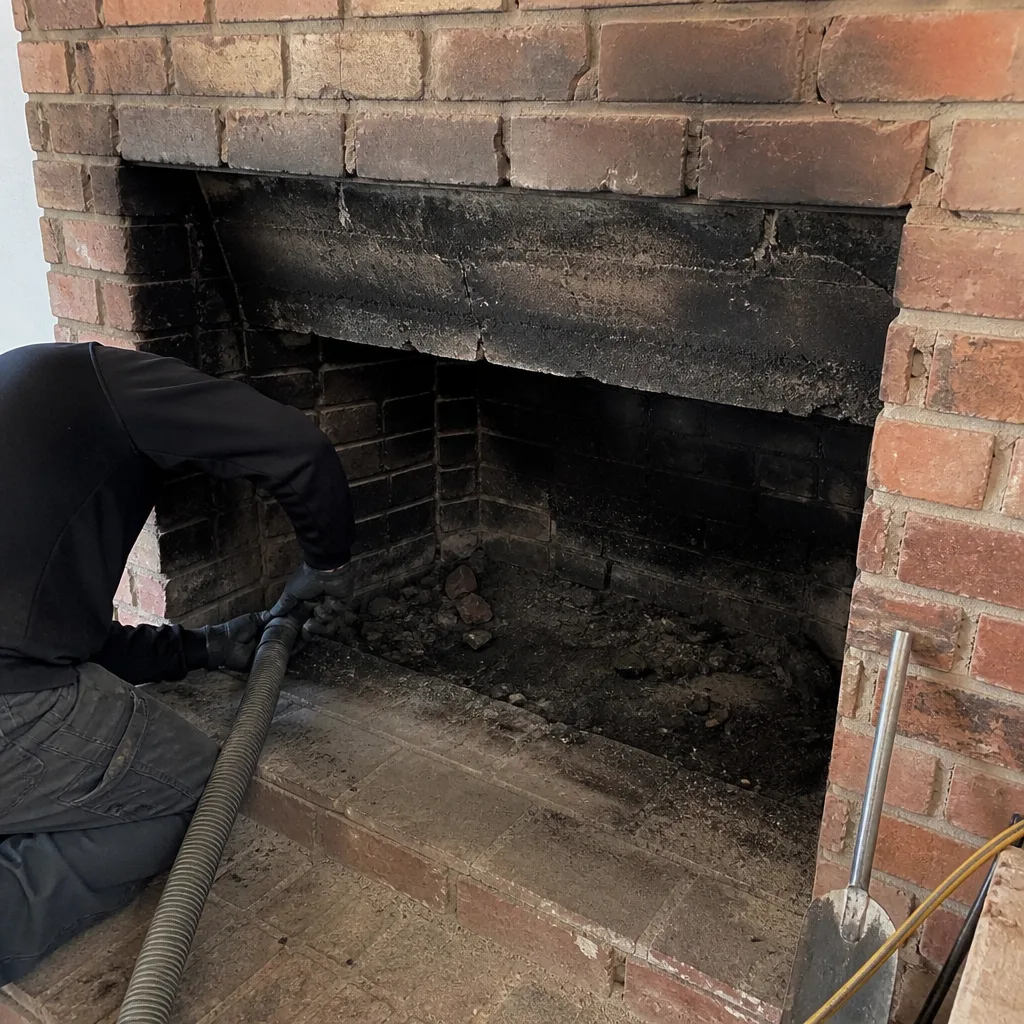 Before
 After
 Before
 After
Frequently Asked Questions
Annually, and more often if you burn heavily or the inspection shows rapid creosote buildup. In a Fire Hazard Severity Zone, treat the annual inspection as the floor. Call (877) 492-2418 to schedule one before the wind season starts.
It changes your risk, not your code. FHSZ designation means wildfire conditions exist where you live, so an ember-resistant cap and a documented, clean flue matter more than on a low-risk lot. Call (877) 492-2418 for an estimate on what your chimney actually needs.
Stop using the fireplace until a professional inspects the flue. A fire that seemed minor can still crack a liner. Call (877) 492-2418 to book a post-event inspection before you burn again.
Usually not. A standard cap blocks rain and birds but lets fine embers through, which is the wrong priority in a high wind area. An ember-resistant cap is the right choice. Call (877) 492-2418 for a free estimate on a properly rated cap and crown.
Late summer into early fall, before the Santa Ana winds pick up. That timing leaves room for any repair the inspection finds. Call (877) 492-2418 to lock in a late-summer sweep.
Yes. A standalone inspection gives you dated photos and a written report you can send to your insurer before or after fire season. Call (877) 492-2418 to set one up.
The Bottom Line
Emergency preparedness in Peralta Hills comes down to three moves: clean the flue before fire season, cap it with an ember-resistant cap, and document its condition. Each one addresses a different part of the risk. The sweep removes the creosote that could ignite on its own. The cap keeps wind-driven embers out. The inspection report is what you’ll reach for if an insurer or fire agency asks what condition the chimney was in. Do all three before the winds arrive, and you’ve closed the chimney as an ignition path. If you’re not sure where your chimney stands, start with a sweep and an inspection. Call (877) 492-2418 for a free estimate. We answer 24/7. Fast dispatch from 7am to 7pm, Sunday through Friday.
Written by the team at Chimney Sweep Peralta Hills.